A Tradition of Invention: Stevens Faculty Among the Fellows of the National Academy of Inventors
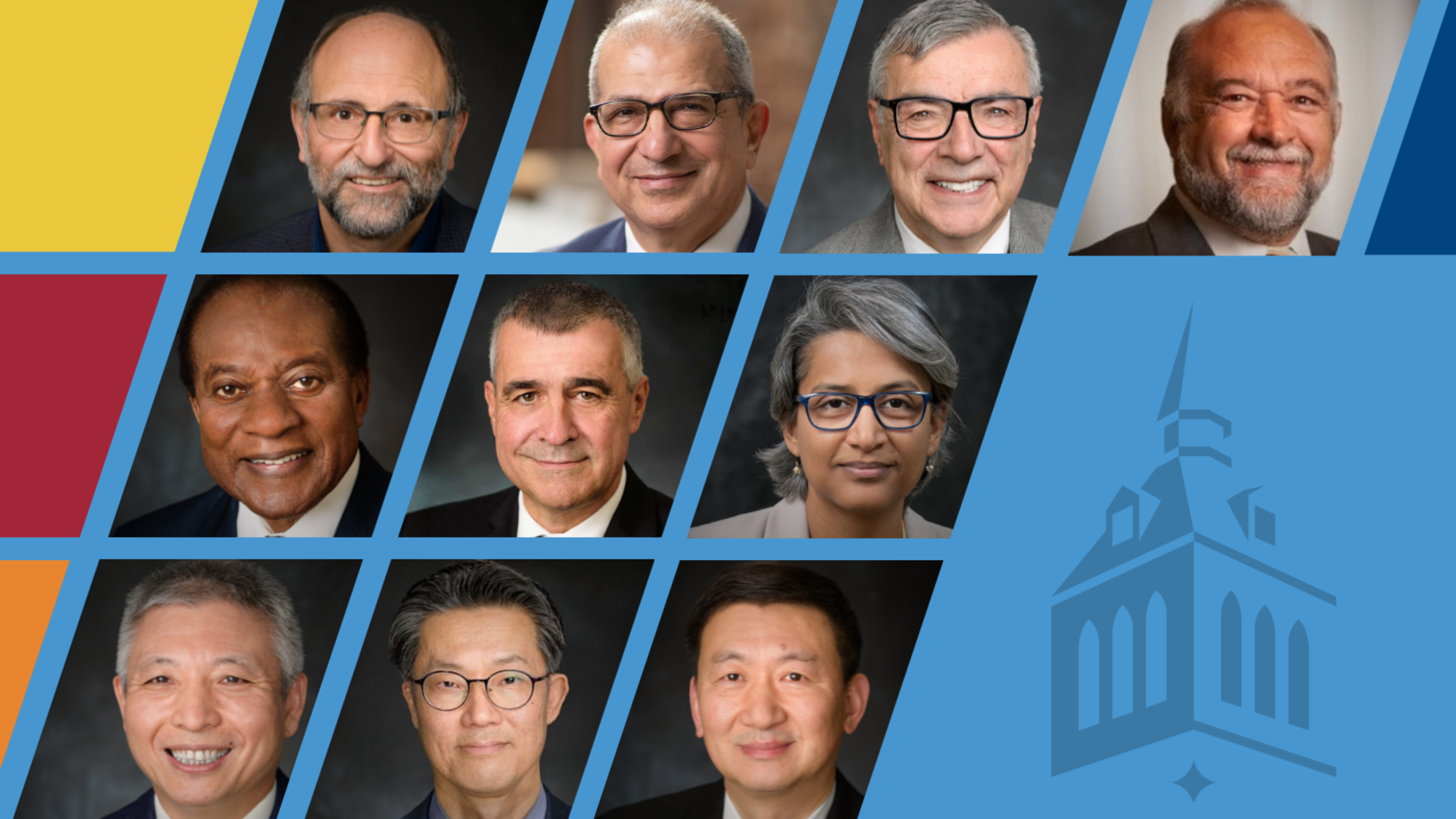
When the National Academy of Inventors (NAI) names someone a Fellow, it is making a specific claim: that this person's inventions have demonstrably changed something in the world. The work has not just contributed to a field, not just advanced a body of knowledge, but produced something patented, licensed, commercialized or otherwise put to use in ways that have improved lives or built industries.
This standard is high by design. The NAI Fellows program, which now counts 2,253 members across more than 300 universities and research institutions worldwide, was created to honor academic inventors whose work travels beyond the lab. Collectively, its Fellows hold more than 86,000 issued U.S. patents. Those patents have spawned more than 20,000 licensed technologies, given rise to 4,000 companies, and generated an estimated 1.4 million jobs.
It is, put simply, the highest professional distinction an academic inventor can receive.
The Schaefer School of Engineering and Science at Stevens has ten of them, with the most recent honor bestowed on Dilhan Kalyon, Professor in the Department of Chemical Engineering and Materials Science. His election to the 2025 class places him alongside nine of his colleagues on the Schaefer School faculty who have already earned the honor. Their work reaches across some of the most consequential challenges of our time — from cleaning contaminated water to building the communications infrastructure the modern world runs on, from engineering living tissue to advancing the frontiers of AI. What connects them is not a department or a discipline but a shared insistence that research ought to produce something real.
The Fellows
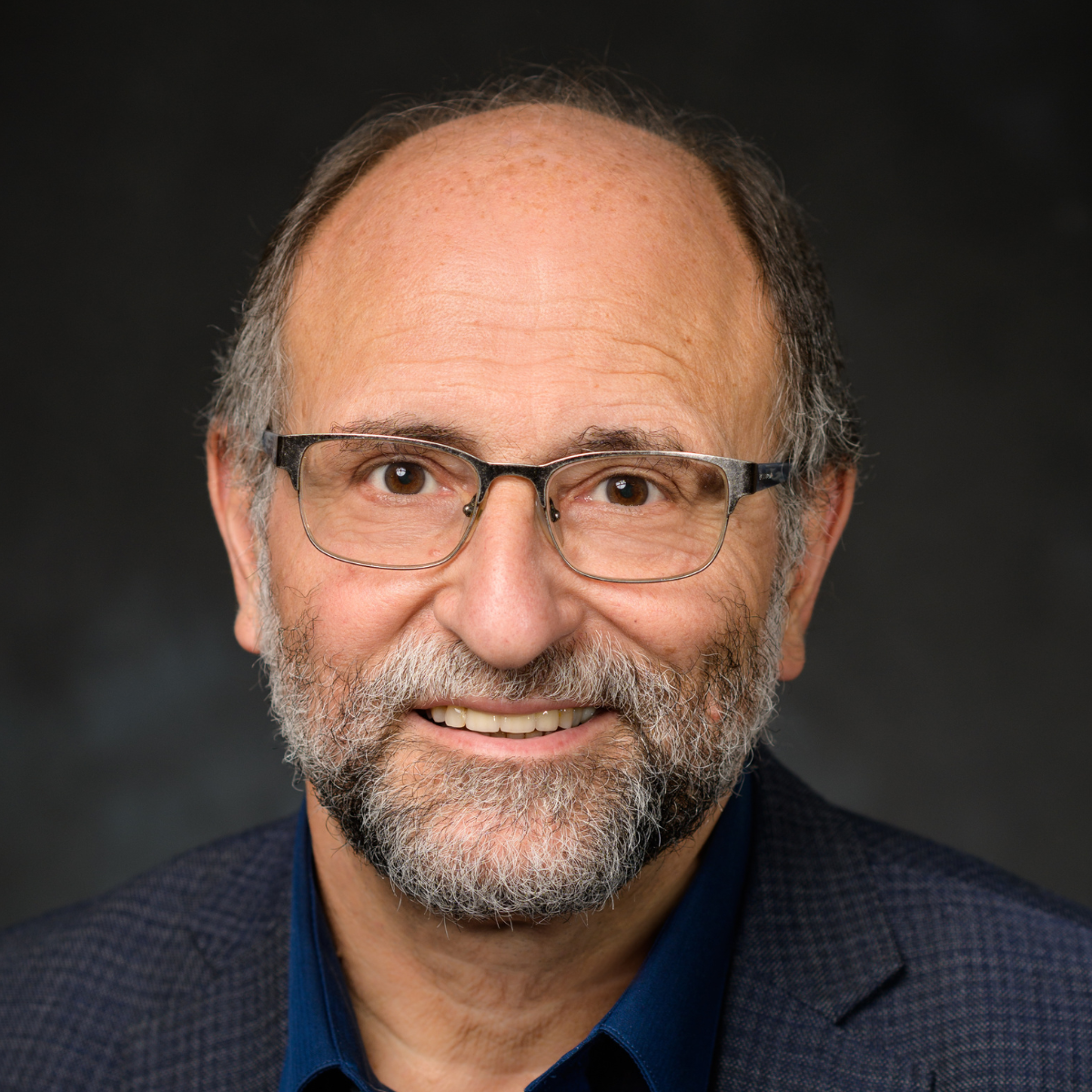
Christos Christodoulatos
Professor, Department of Civil, Environmental and Ocean Engineering
Inducted: 2013
Christodoulatos has been teaching and conducting research in environmental engineering at Stevens since 1988. His work centers on treatment technologies for contaminated water, soil and air — including emerging contaminants such as PFOA and PFOS — as well as nutrient recovery, waste valorization and the fate and transport of pollutants in the subsurface. Over more than three decades, that work has produced more than 150 major funded research projects exceeding $95 million, more than 195 published articles, and several patents in water and air treatment technology. He is a co-founder of two start-up companies focused on the commercialization of environmental technology — one developing technology to remove arsenic and heavy metals from drinking water using titanium oxide nanoparticles, the other focused on decontaminating wastewater through the direct injection of plasma discharges.
From 2008 to 2016, Christodoulatos served as Vice Provost for Innovation and Entrepreneurship at Stevens, overseeing the commercialization of the university's intellectual property and delivering innovation and entrepreneurship workshops in the U.S., Malaysia, Brunei and Taiwan. He has served as Permanent Chair of the International Conference on Restoration and Protection of the Environment since 1992 and serves on the editorial board of the NAI's journal, Innovation and Technology.
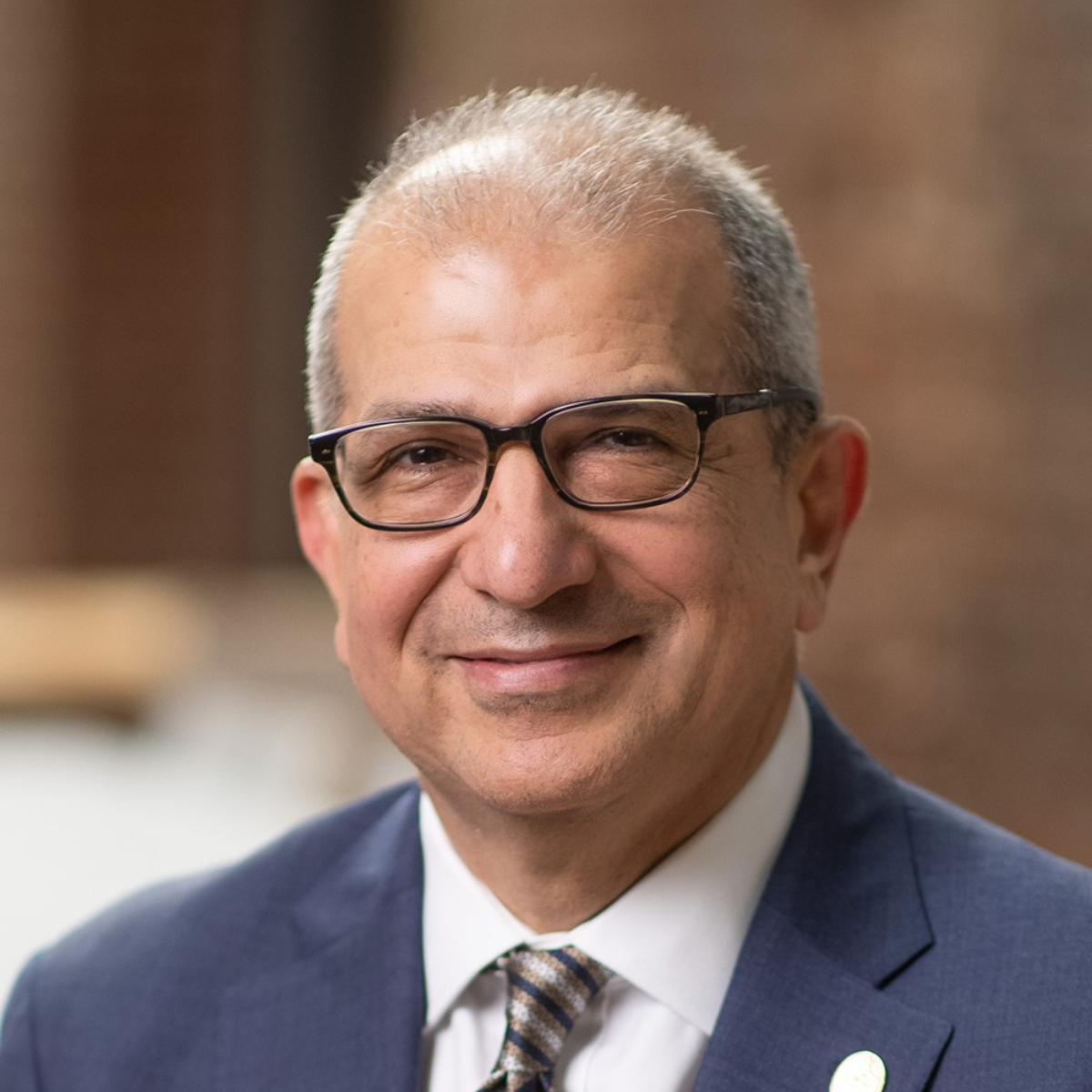
Nariman Farvardin
President, Stevens Institute of Technology
Inducted: 2013
Across the foundations of digital communications — where information is encoded, compressed and transmitted across complex networks — Farvardin has contributed influential work in information theory, source and channel coding, and multimedia signal compression. His research spans image and video compression, voice coding, wireless communications and high-speed network systems, helping shape both theoretical advances and practical implementations in modern communications technologies.
Farvardin has authored more than 150 refereed journal and conference papers and holds seven U.S. patents in data communication, image coding and wireless communication. Recognized for his research in communications and information theory, he was named a Fellow of the National Academy of Inventors in 2013, honoring academic innovators who have contributed to the invention of products, goods and services which have positively impacted quality of life, economic development and the welfare of society.
Before becoming President of Stevens Institute of Technology in 2011, Farvardin spent more than two decades at the University of Maryland, where he served as Professor of Electrical and Computer Engineering, Chair of the department, Dean of the A. James Clark School of Engineering and Senior Vice President for Academic Affairs and Provost. He earned his bachelor's, master's and doctoral degrees in electrical engineering from Rensselaer Polytechnic Institute.
In addition to the NAI, Farvardin is a Fellow of the Institute of Electrical and Electronics Engineers (IEEE).
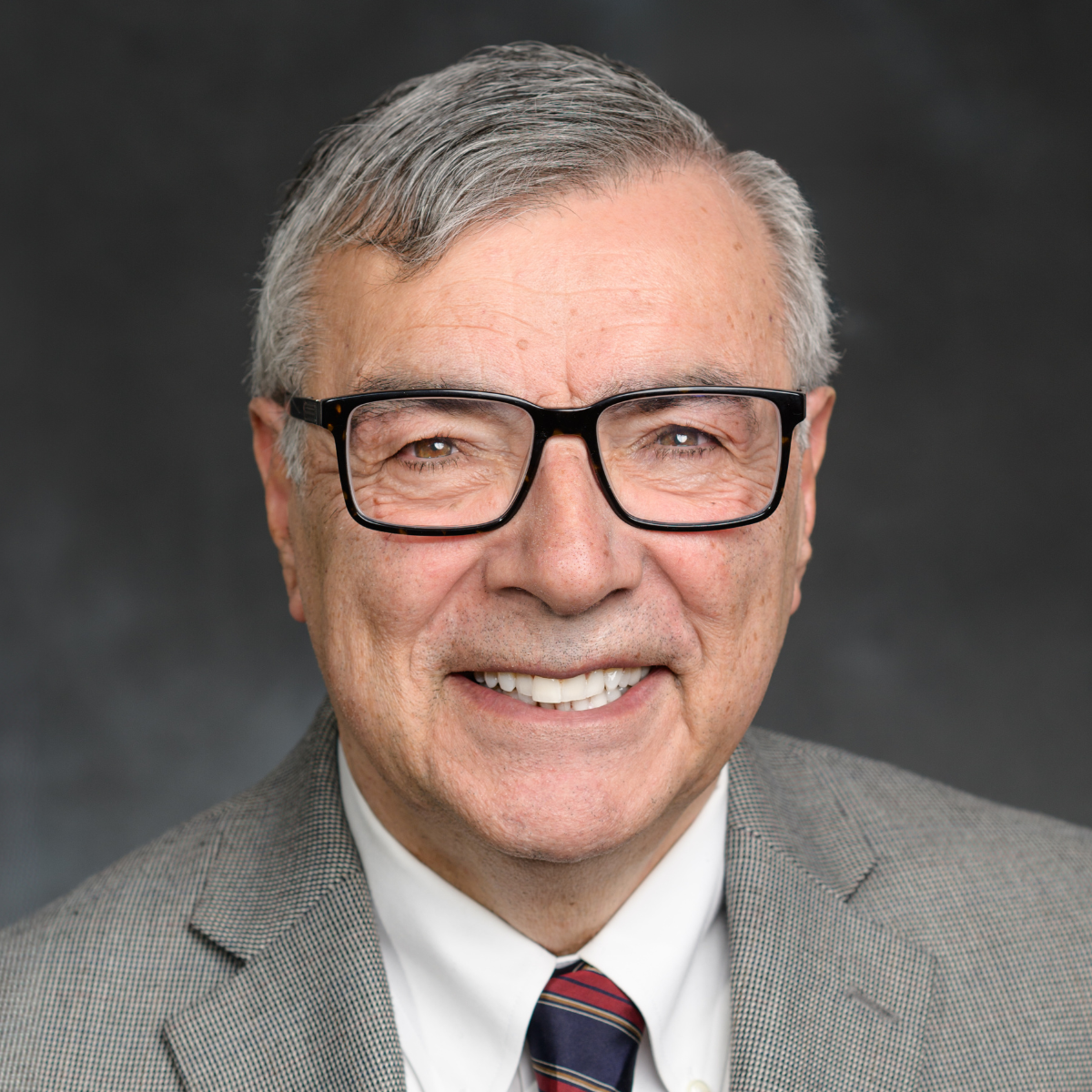
Dilhan Kalyon
Professor, Department of Chemical Engineering and Materials Science
Inducted: 2025
Kalyon arrived at Stevens in 1980 with a freshly minted Ph.D. in chemical engineering from McGill University, and he has spent the decades since doing something that is harder than it sounds: making complex materials behave predictably. His specialty is rheology — the science of how materials flow and deform — applied to systems that push the limits of what can be processed: highly filled polymers, energetic materials, ceramic composites, biopolymers, magnetic systems.
The work is fundamental, but its reach is anything but abstract. Over more than 150 research projects spanning 13 industrial sectors, his group developed 12 U.S. patents covering technologies in areas as varied as tissue-engineering scaffolds, solar gels, hazardous materials processing, and x-ray particle-size analysis. More than 300 peer-reviewed publications and 10,000 citations document the output. He has also become one of the most recognized teachers at Stevens, having received the Harvey N. Davis Distinguished Teaching Award and the Henry Morton Distinguished Teaching Award. The American Institute of Chemical Engineers gave him its Thomas Baron Award; the Society of Plastics Engineers its International Research Award. Kalyon also served as Stevens’ Interim Vice Provost and Vice Provost for Research and Innovation from 2019 to 2022.
His election to the NAI class of 2025 — the most recent of our ten — puts him in company his career has long warranted.
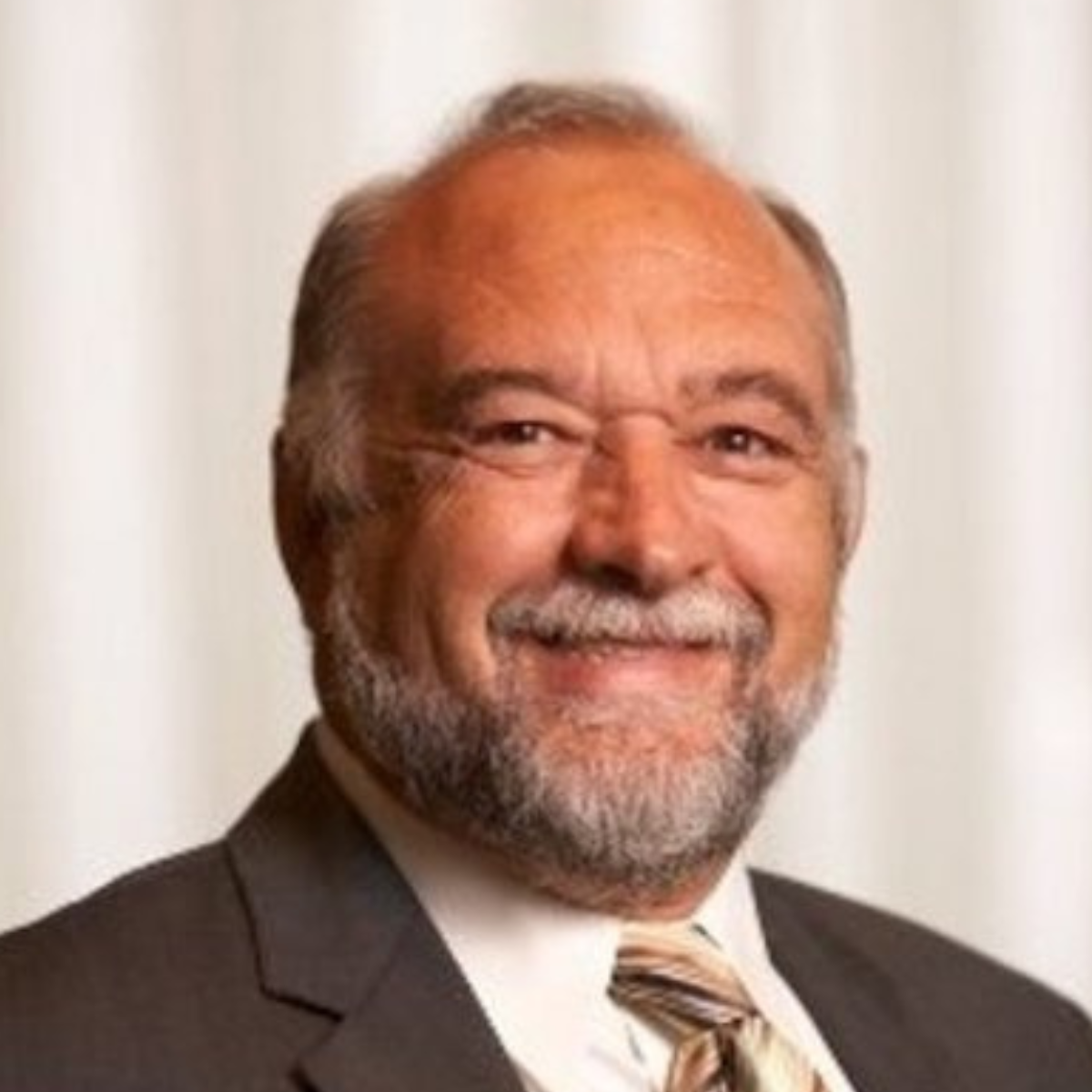
George Korfiatis
Professor Emeritus, Department of Civil, Environmental and Ocean Engineering
Inducted: 2013
Korfiatis joined Stevens as an assistant professor in 1983 and has served in a wide assortment of roles over 43 years. He founded the Center for Environmental Engineering, became dean of the Schaefer School, and has also served as provost and interim president. Through all of it, he kept doing research.
His scholarly work centers on what happens to contaminants once they enter the environment — how they move through soil and groundwater, how they can be captured and treated, how remediation technology can be made to work at scale. That work attracted more than $38 million in external funding over his career and produced more than 140 publications with more than 6,500 citations. He is a co-author of nine U.S. patents and a co-founder of both PlasmaSol Corporation and HydroGlobe Corp.
The honors have followed. He received the Thomas Alva Edison Patent Award from the Research and Development Council of New Jersey in 2006, was named Inventor of the Year by the New Jersey Inventors Hall of Fame in 2009, and holds honorary doctorates from the National University of Malaysia and Aristotle University of Thessaloniki.
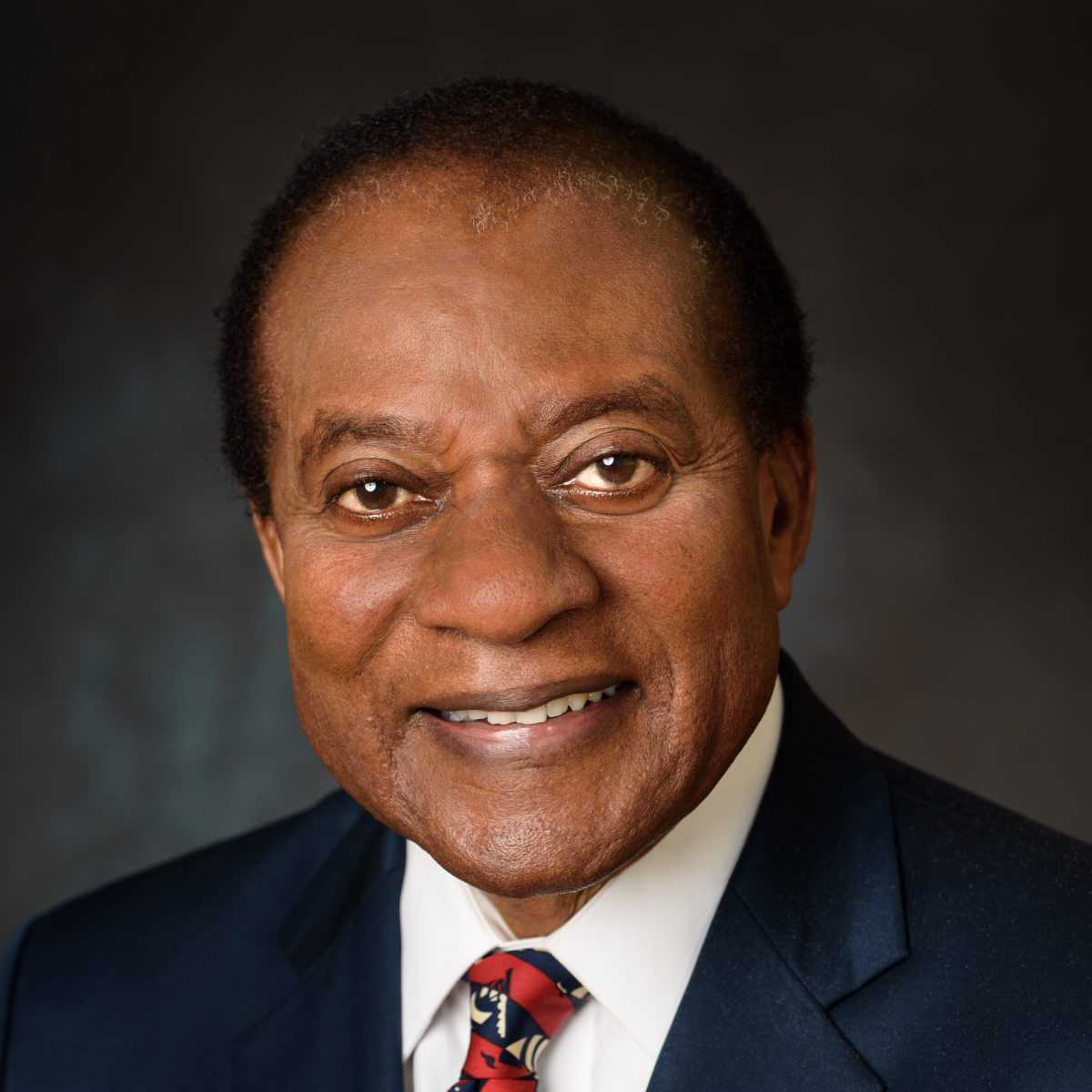
Victor Lawrence
Senior Research Scientist, Department of Electrical and Computer Engineering
Inducted: 2012 | Charter Fellow
Lawrence was among the founding Charter class of Fellows elected when the National Academy of Inventors launched its program in 2012. It is a distinction that fits. Before joining Stevens, Lawrence spent decades at Bell Laboratories, AT&T and Lucent Technologies, rising to Vice President of Advanced Communications, and his career produced inventions that are now part of the basic architecture of how the modern world communicates.
He helped transition global telecommunications from analog to digital — not as a bystander to that shift but as one of the engineers who made it technically possible. His contributions to digital signal processing underpinned technologies including DSL internet, voice-band modems, high-definition television and digital satellite radio. He helped design the systems architecture for the subsea fiber-optic cables that today connect coastal African nations to the global internet. He holds 53 U.S. and international patents, has co-authored five books, and has published more than 100 papers in refereed journals and conference proceedings. He received his B.Sc. and Ph.D. in Electrical Engineering from Imperial College, University of London.
The honors attached to that career are remarkable in their range. Lawrence received the National Medal of Technology and Innovation — the country's highest honor for technological achievement — presented at the White House in January 2025. He was inducted into the National Inventors Hall of Fame in 2016. He is a member of the National Academy of Engineering, a Fellow of the IEEE and of AT&T Bell Laboratories, and a recipient of a 1997 Primetime Emmy Award for his contributions to the HDTV Grand Alliance Standard. The Research & Development Council of New Jersey gave him its Science and Technology Medal in 2023, and the Radio Club of America recognized him with its Lifetime Achievement Award.
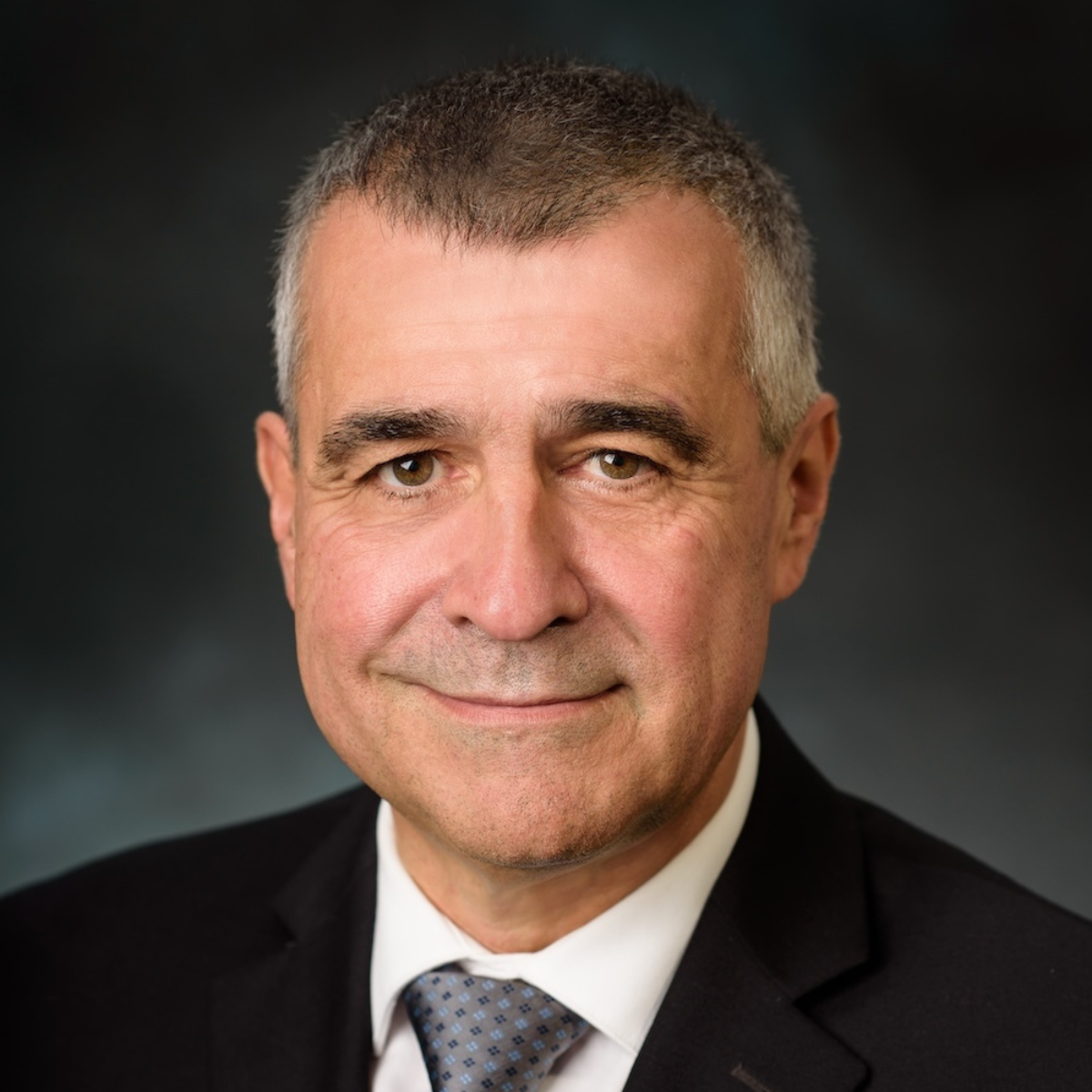
Christophe Pierre
Professor and Jess H. Davis Endowed Chair, Department of Mechanical Engineering
Inducted: 2016
Pierre's research in structural dynamics has crossed over into industrial practice in a way that is rare in academia. His tools for predicting how bladed disks vibrate in jet engines and turbines have been adopted by major aerospace and turbomachinery companies worldwide — a direct line from fundamental research to the design floor.
The core problem Pierre has spent his career on is deceptively difficult. Every bladed disk in a turbine is slightly imperfect, and those small imperfections can cause energy to concentrate in ways that accelerate fatigue and, in extreme cases, lead to catastrophic failure. Pierre developed the theoretical framework for understanding this behavior and co-developed Turbo-Reduce, a reduced-order modeling tool that lets engineers predict and manage it at the design stage. He also co-invented a patented excitation system that allows realistic vibration testing of turbine blades on stationary assemblies — removing the need to physically spin them during testing.
More recently, Pierre and collaborators developed the Equality-Based Weighted Residual (E-WR) method, a computational framework for nonlinear vibration problems involving friction and contact; its open-source implementation, Equal[iseR], is now being developed for large-scale industrial turbomachinery applications. He is a Fellow of American Society of Mechanical Engineers and the American Academy of Mechanics in addition to the NAI.
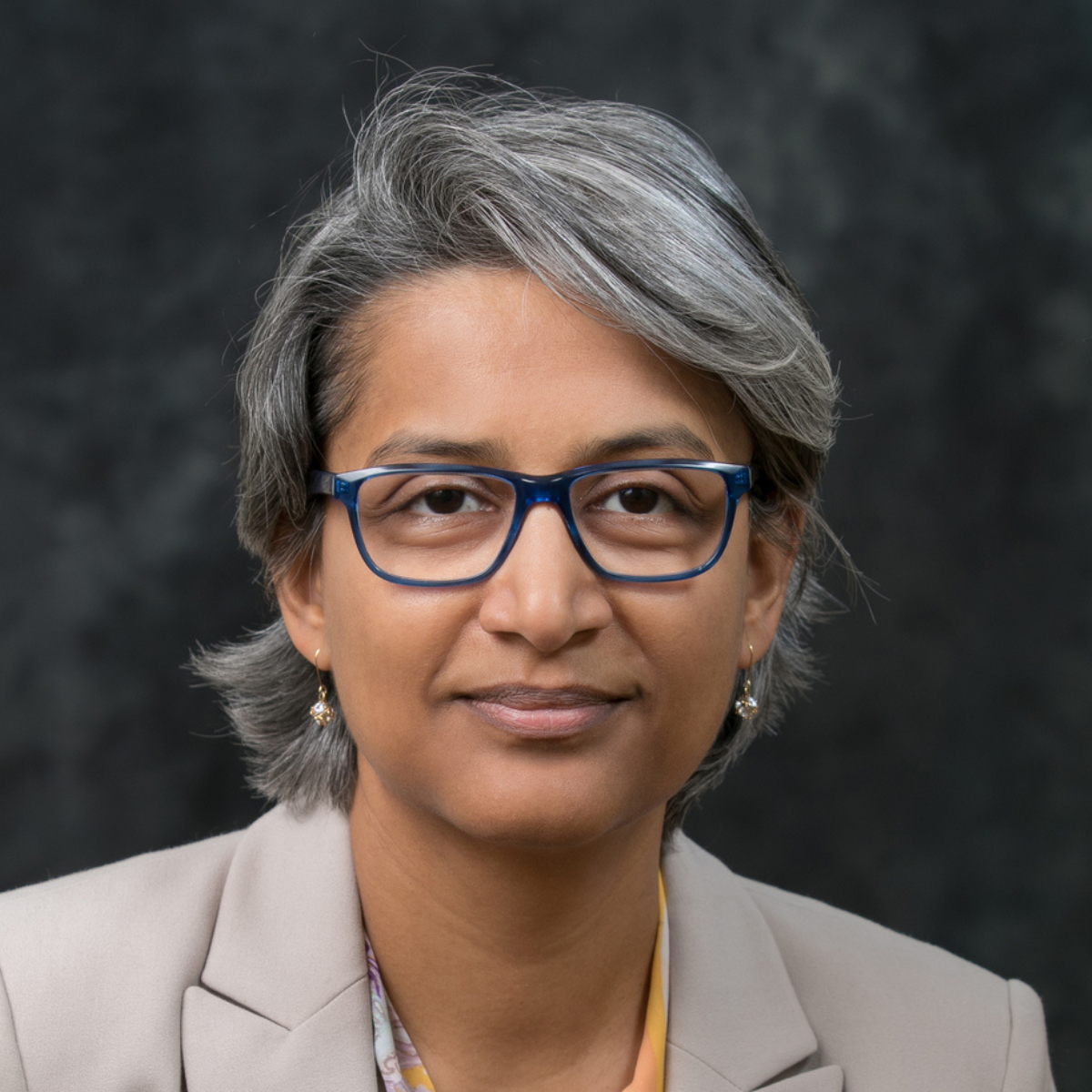
K.P. (Suba) Subbalakshmi
Professor, Department of Electrical and Computer Engineering
Inducted: 2018
Subbalakshmi's research has always moved toward the problems that are hardest to solve cleanly — and lately that means artificial intelligence and machine learning systems that can be trusted. Her lab works on hallucination detection and mitigation, reliable machine learning models, information integrity and agentic systems, with applications that range from financial technology and cybersecurity to mental health and intent-based networking. NSF, NIST, the Department of Justice, the Department of Defense, CCDC and industry partners have all funded that work, which has produced multiple patents and a consistent presence in the leading venues of her field.
In 2016, Subbalakshmi was named a Jefferson Science Fellow and spent a year as a senior science and technology adviser to the U.S. Department of State, where she directly shaped policy on information and communications technologies, AI and machine learning — including writing and defending the U.S. delegation's positions at the International Telecommunication Union. She is also a recipient of the AFOSR Summer Faculty Fellowship for 2024 and 2025. Subbalakshmi received the Innovator Award from the New Jersey Inventors Hall of Fame; her doctoral students have received the Graduate Student Award from the same organization. Committed to fostering entrepreneurship beyond the lab, she served as a mentor for the NYU Stern Endless Frontier Labs Program in 2024 and 2025, guiding early-stage start-up companies.
Currently the Director of the Infinity Lab, Subbalakshmi founded the Stevens Institute of Artificial Intelligence in 2018 and led it through 2020. She is a founding associate editor of IEEE Transactions on Cognitive Communications and Networking and chairs the Special Interest Group on AI and ML in Security under IEEE COMSOC.
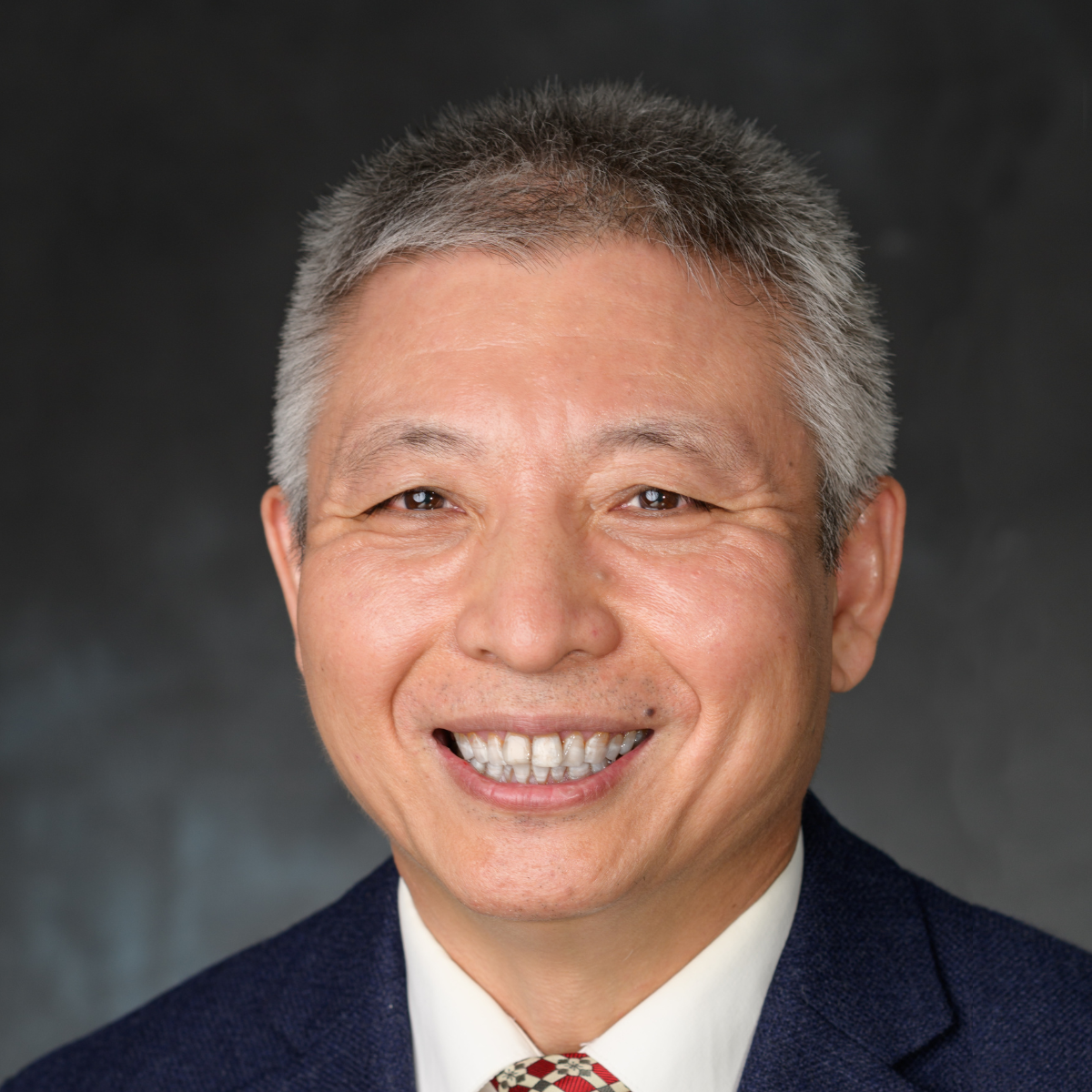
Hongjun Wang
George Meade Bond Professor, Department of Biomedical Engineering
Inducted: 2019
Wang's path to Stevens was anything but direct. He earned his first Ph.D. in polymer chemistry and physics at Nankai University in China, then worked at a Dutch biomedical company before earning a second Ph.D. in biomedical engineering from the University of Twente in the Netherlands. A research fellowship at Massachusetts General Hospital and Harvard Medical School followed before he joined Stevens as an assistant professor. That unusual formation — across disciplines, institutions and countries — shaped a research program that has never fit neatly into a single category.
The work of his lab, the Tissue Reconstruction Laboratory, centers on a fundamental challenge in medicine: how do you build tissue that actually behaves like the real thing? His group develops functional tissue substitutes for implantation — including work on vascularizing large-scale tissue constructs so that cells can survive — and uses multifunctional nanostructures for cancer therapy and diagnosis. A recent paper in Haematologica detailed a breakthrough method for keeping patient-derived multiple myeloma cells alive outside the body using biodegradable microspheres, an advance with significant implications for how cancer therapies are developed and tested. His group has published more than 125 peer-reviewed papers in journals including Advanced Materials, Nature Communications, PNAS and ACS Nano, contributed dozens of book chapters and invited reviews, and generated a number of patent applications.
Wang served as the inaugural chair of the Department of Biomedical Engineering from 2018 to 2022 and has mentored 20 doctoral students through to their degrees. He is director of the Semcer Center for Healthcare Innovation and holds a joint appointment in the Department of Chemistry and Chemical Biology. His recognitions include the Jess N. Davis Award for Excellence in Research, the Provost's Award for Academic Entrepreneurship and Enterprise Development, the Schaefer School Doctoral Advisor Award, the New Jersey Innovators Award, and an honorary Master of Engineering from Stevens.
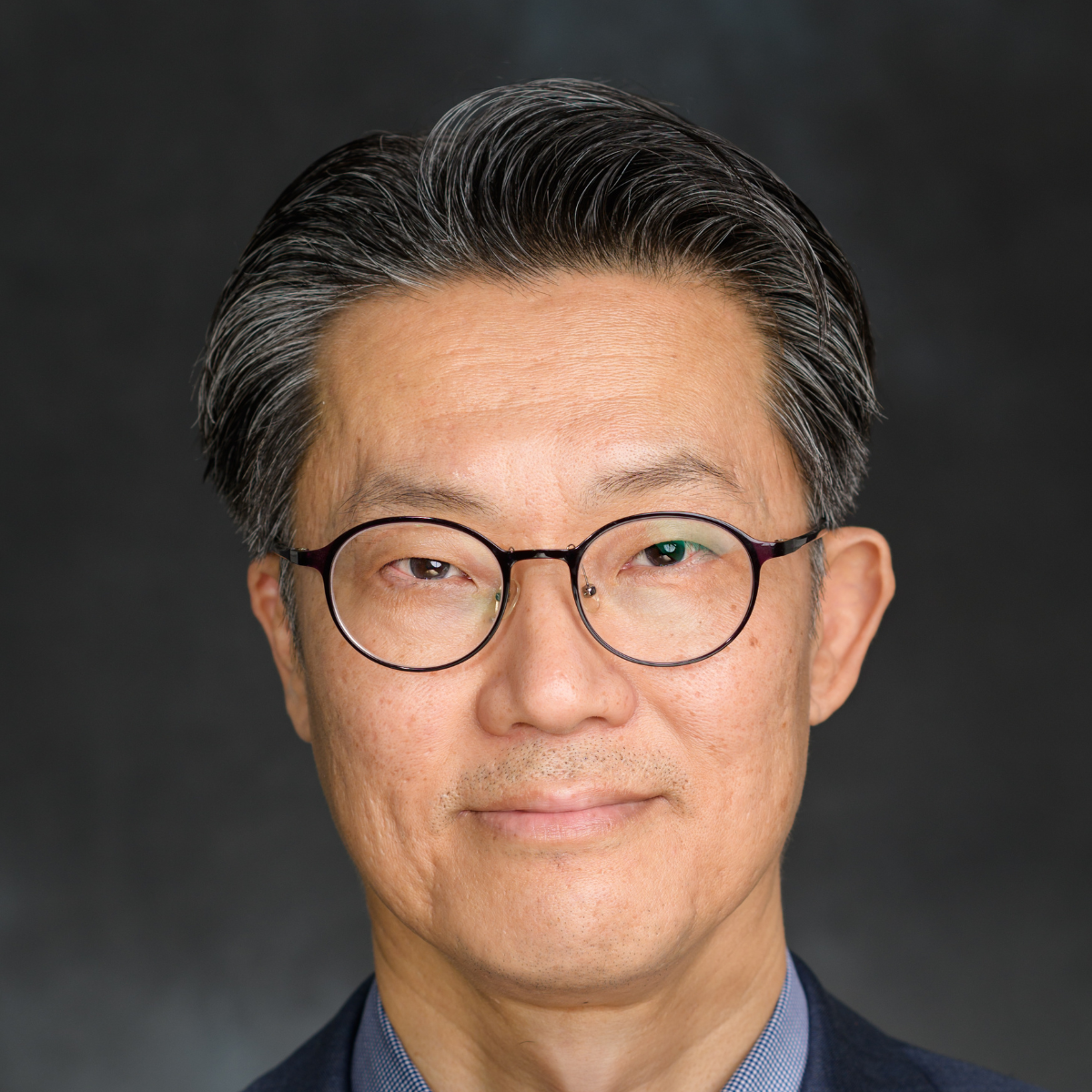
E-H Yang
Professor, Department of Mechanical Engineering
Inducted: 2018
A member of NAI’s Fellows Advisory Committee, Yang spent the early part of his career at NASA's Jet Propulsion Laboratory, leading MEMS actuator development for space missions — including work on large aperture space-based telescopes — and earning JPL's Lew Allen Award for Excellence. When he joined Stevens in 2006, he brought that precision engineering sensibility to a new frontier: 2D quantum materials, nanosensors, and memory devices at scales where the physics starts to behave differently.
The research program Yang built at Stevens has attracted more than $12 million in federal funding across more than 40 grants and contracts — from NSF, AFOSR, the U.S. Army, NASA, the National Reconnaissance Office and DARPA. His work has appeared in Nature Communications, ACS Nano, Advanced Materials and Nano Letters. The numbers alone tell part of the story — 18 U.S. patents, more than 140 keynote and invited talks worldwide. But Yang's standing in the field is perhaps better measured by the roles his peers have asked him to take on: Editor-in-Chief of IEEE Sensors Reviews, Chair of the IEEE Nanotechnology Council North Jersey Chapter, and Distinguished Lecturer of both the IEEE Nanotechnology Council and the IEEE Sensors Council. He received the IEEE Technical Achievement Award (Advanced Career) from the IEEE Sensors Council in 2020 and the Jess H. Davis Memorial Award for Research Excellence. He is also a Fellow of the American Society of Mechanical Engineers.
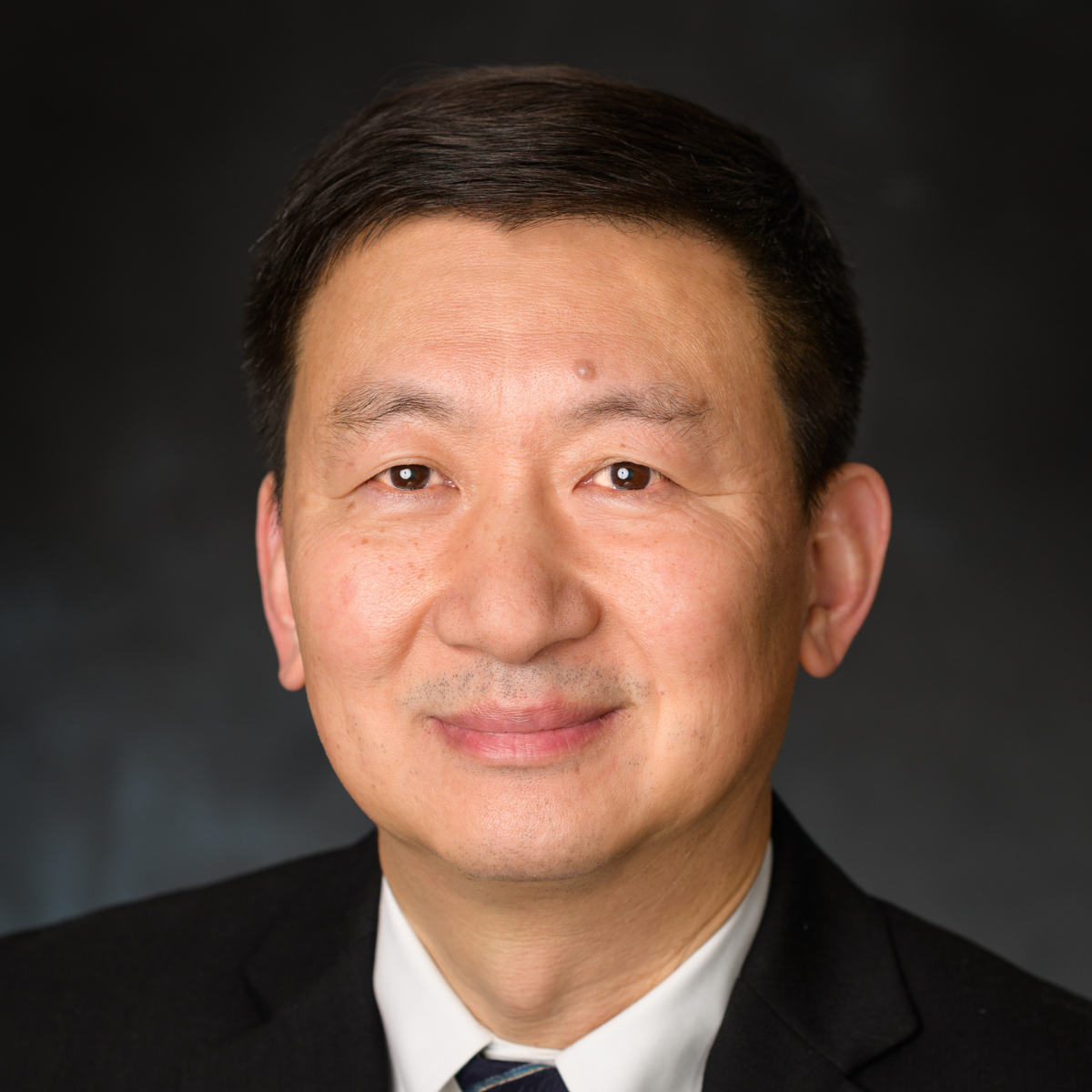
Yu-Dong Yao
Professor, Department of Electrical and Computer Engineering
Inducted: 2015
Yao's path to Stevens wound through Ottawa, Montreal and San Diego — postdoctoral research at Carleton University, satellite communications work at SPAR, wireless systems development at QUALCOMM — before he joined the faculty in 2000. That industry experience across multiple countries and sectors left a mark on how he approaches research: grounded, applied, attentive to what actually has to work in the real world.
His scholarship spans wireless communications, networking, and increasingly the application of machine learning, deep learning and large language models to engineering problems. He currently serves as Editor-in-Chief of AI Engineering. He is a Fellow of the IEEE, elected in 2011, and a Fellow of the Canadian Academy of Engineering.
Research that leaves the lab
The National Academy of Inventors Fellows designation is not honorary. It recognizes inventors whose patented work has demonstrably improved lives, built industries, or advanced human welfare. Stevens counts ten of them across a single faculty — spanning fields from environmental engineering to artificial intelligence to biomedical devices. That is not a coincidence, but rather what sustained, serious research produces.
Learn more about programs and research at the Schaefer School:
