Career Recognition: The IEEE Fellows of the Schaefer School of Engineering and Science
The IEEE Fellow designation is not applied for. It is conferred — by nomination, peer review, and committee approval — on members of the Institute of Electrical and Electronics Engineers who have made an extraordinary contribution to the profession. No more than 0.1 percent of IEEE’s voting membership can be elevated in any calendar year. With nearly half a million members worldwide, that ceiling works out to roughly 300 people annually.
About the IEEE Fellow designation
IEEE is the world’s largest technical professional organization, and its published standards govern how electrical and electronic systems are designed and built across virtually every industry.
Fellow is the highest grade IEEE confers. Candidates are nominated by peers, must hold Senior Member status and clear multiple rounds of review before a final committee determination. And there is no application.
In engineering academia, IEEE Fellow sits alongside designations like ASME Fellow, ACM Fellow, and AAAS Fellow as a marker of career-level distinction and a recognition from a professional community that does not hand it out lightly.
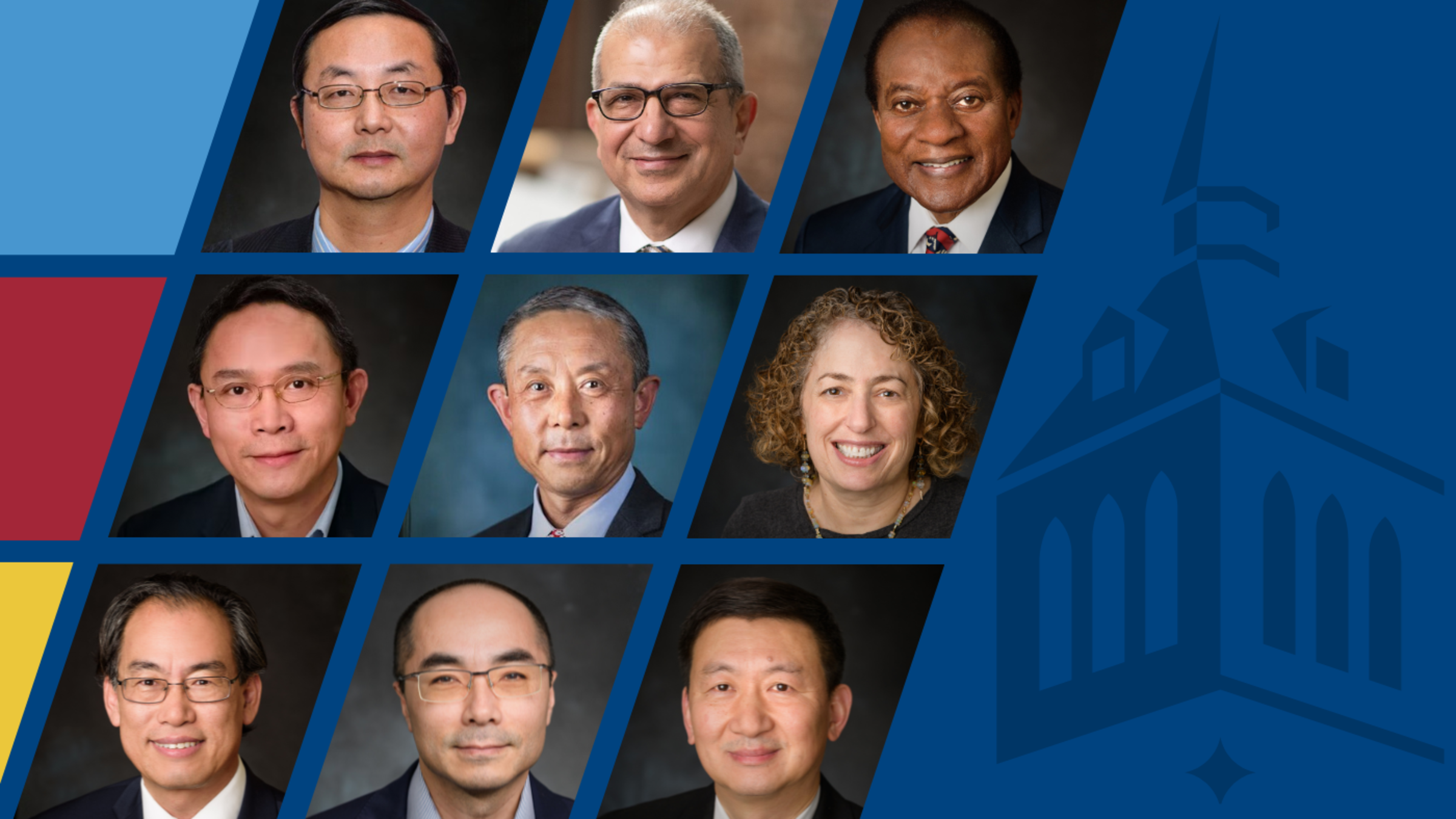
Stevens is fortunate to have nine IEEE Fellows overall as part of our faculty here, with eight residing in the Department of Electrical and Computer Engineering:
IEEE Fellows at the Schaefer School
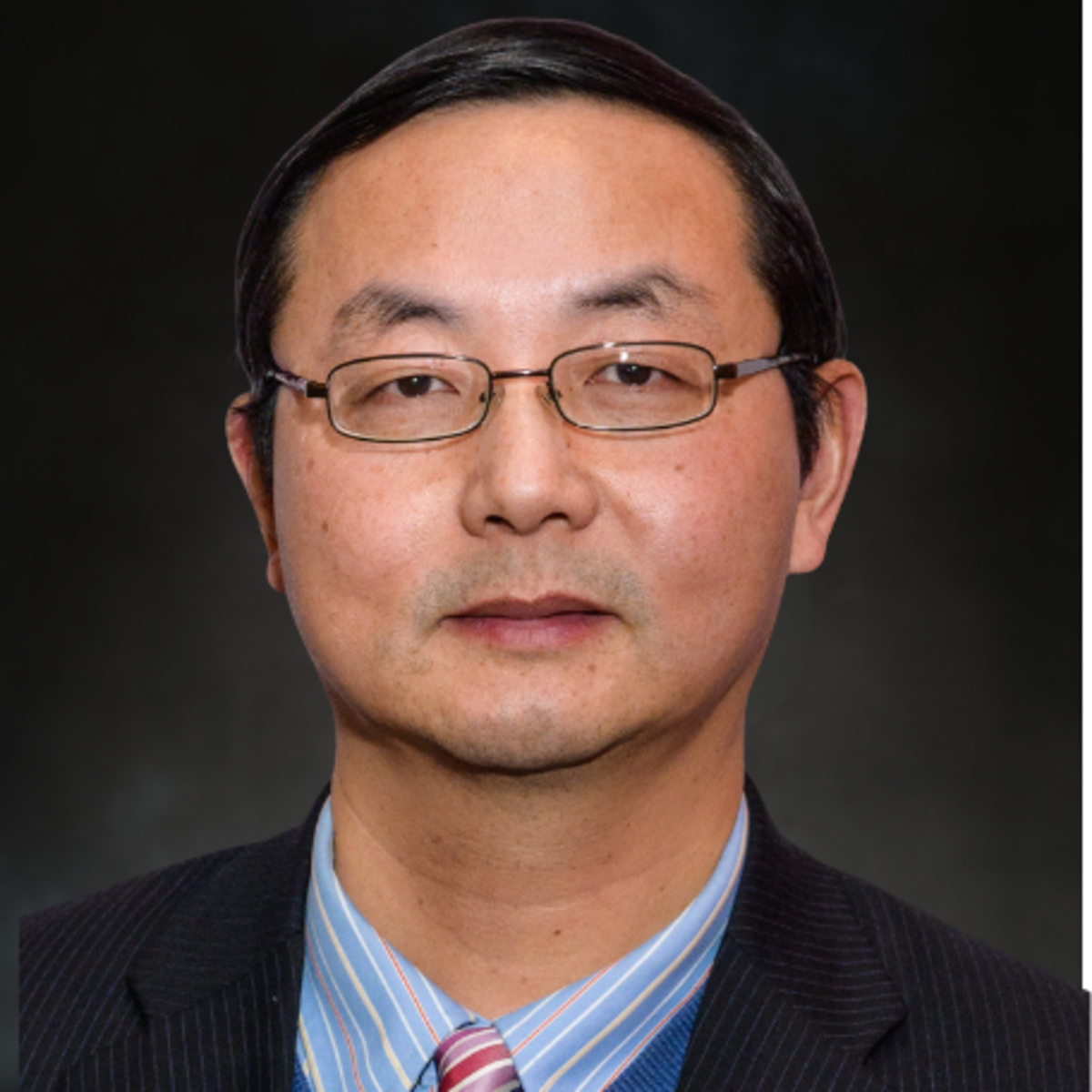 Xiaojiang (James) Du
Anson Wood Burchard Professor of Electrical Engineering, Department of Electrical and Computer Engineering
Few researchers in cybersecurity and AI can claim a citation count above 36,000 and an h-index of 94. Xiaojiang Du is one of them. Elevated to IEEE Fellow in 2020, his work sits at the intersection of cybersecurity, artificial intelligence, wireless networks and computing systems, and the breadth of his 600+ journal and conference papers reflects a career built on sustained output across all of them.
Beyond his IEEE Fellowship, Du holds fellowships from the European Alliance for Innovation (EAI) and the Asia-Pacific Artificial Intelligence Association, and is a Distinguished Member of the ACM. He serves on the editorial boards of three IEEE/ACM journals and has contributed as chair and program committee member to top conferences including IEEE Infocom, EAI SecureComm, and IEEE/ACM IWQoS.
For students and researchers interested in cybersecurity and AI, Du represents a rare combination: a scholar whose theoretical contributions are matched by deep engagement with the communities that apply them.
 Nariman Farvardin
President, Stevens Institute of Technology
Across the foundations of digital communications — where information is encoded, compressed and transmitted across complex networks — Farvardin has contributed influential work in information theory, source and channel coding, and multimedia signal compression. His research spans image and video compression, voice coding, wireless communications and high-speed network systems, helping shape both theoretical advances and practical implementations in modern communications technologies.
Farvardin has authored more than 150 refereed journal and conference papers and holds seven U.S. patents in data communication, image coding and wireless communication. His work and leadership in the field led to his elevation to IEEE Fellow in 1998 for contributions to source coding and quantization. He has also served the research community as associate editor of IEEE Transactions on Communications and IEEE Transactions on Information Theory.
Before becoming President of Stevens Institute of Technology in 2011, Farvardin spent more than two decades at the University of Maryland, where he served as Professor of Electrical and Computer Engineering, Chair of the department, Dean of the A. James Clark School of Engineering and Senior Vice President for Academic Affairs and Provost. He earned his bachelor’s, master’s and doctoral degrees in electrical engineering from Rensselaer Polytechnic Institute.
In addition to IEEE, he is a Fellow of the National Academy of Inventors.
More about Favardin >>
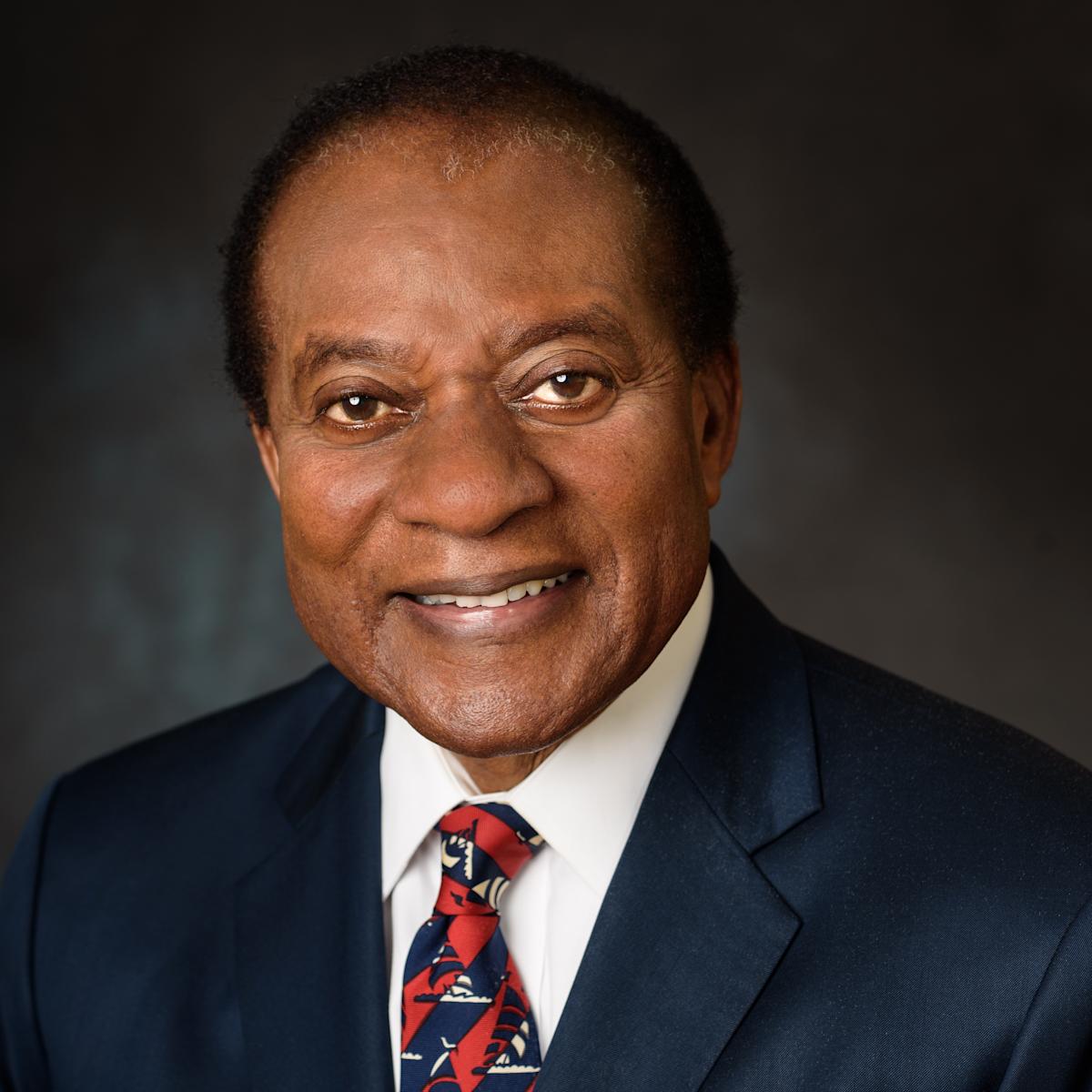 Victor Lawrence
Senior Research Scientist, Department of Electrical and Computer Engineering
Before most of the world had a reliable way to send data over a phone line, Victor Lawrence was at Bell Laboratories working out how to make it work better. Over a 30-plus-year tenure there, he made extensive and fundamental contributions to voice, data, audio and video communications, leading projects that improved every phase in the evolution from early low-speed to today’s high-speed data communications. That body of work earned him induction into the National Inventors Hall of Fame in 2016 and a 2024 National Medal of Technology and Innovation — the highest honor the U.S. government confers on innovators.
At Stevens, Lawrence serves as Senior Research Scientist and Director of the Center for Intelligent Networked Systems (iNetS), and previously served as Associate Dean. Elevated to IEEE Fellow in 1987 for contributions to the understanding of quantization effects in digital signal processors and the applications of digital signal processing to data communications, he is also a Fellow of AT&T Bell Labs, a Member of the National Academy of Engineering, and a Charter Fellow of the National Academy of Inventors.
For students drawn to the history and future of networked communications, Lawrence offers something few researchers can: a career that spans the field from its foundational years to the present.
More about Lawrence >>
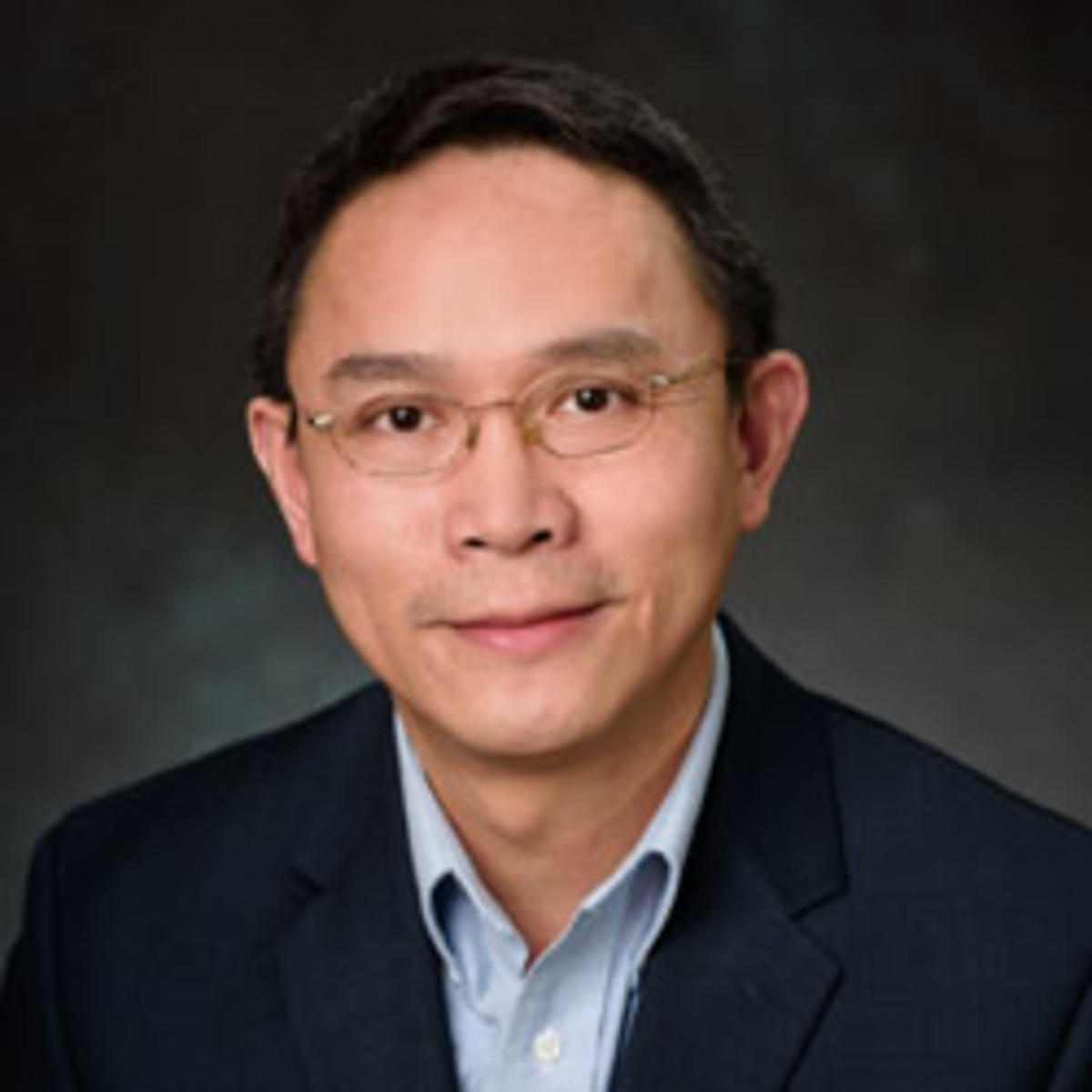 Hongbin Li
Charles Batchelor Professor of Electrical Engineering, Department of Electrical and Computer Engineering
When Hongbin Li joined the Department of Electrical and Computer Engineering at Stevens in 1999 as an Assistant Professor, radar systems and wireless communications were already his focus. More than two decades later, those fields have moved to the center of national defense, autonomous systems and next-generation connectivity. And Li has moved with them.
Elevated to IEEE Fellow in 2019, Li has received a distinguished array of honors over his career, including the IEEE Jack Neubauer Memorial Award in both 2013 and 2025, the IEEE Signal Processing Letters Best Paper Award in 2024, and the Master of Engineering (Honoris Causa) from Stevens in 2024. Earlier in his career, he received the Harvey N. Davis Teaching Award, the Jess H. Davis Memorial Research Award, and a Sigma Xi Graduate Research Award, a trajectory that reflects sustained excellence in both research and teaching.
Li has served on two IEEE Signal Processing Society technical committees and holds fellowships in both the Asia-Pacific Artificial Intelligence Association and the International Artificial Intelligence Industry Alliance. His contributions span the full arc of academic engagement: rigorous research, meaningful service, and a genuine investment in student success.
More about Li >>
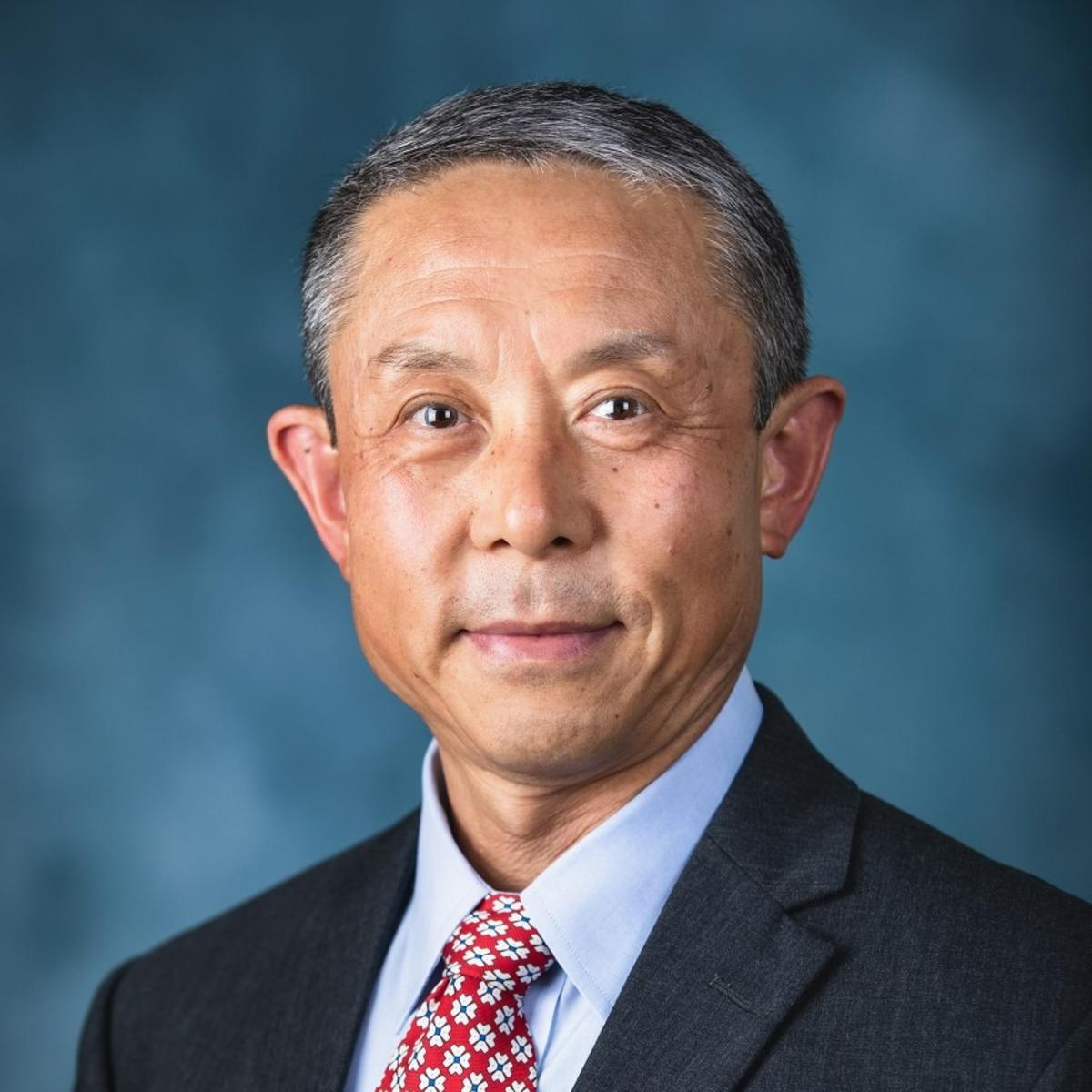 Jianmin Qu
Senior Vice President for Academic Affairs and Provost, Department of Electrical and Computer Engineering
At the scale of microns and interfaces — where materials bond, fracture, and conduct — Qu has done some of the most cited work in applied mechanics of his generation. Qu was elevated to IEEE Fellow in 2018 for contributions to design and reliability analysis for microelectronic packaging. His research areas include micromechanics of composites, interfacial fracture and adhesion, thermomechanical reliability of microelectronic packaging and ultrasonic nondestructive evaluation of advanced materials. He has authored more than 240 journal papers and two books, which have accumulated more than 19,000 citations with an h-index of 74.
Qu’s work has been sponsored by the National Science Foundation, Office of Naval Research, U.S. Air Force, U.S. Army, DARPA, Department of Energy and industry partners including Motorola, Ford, IBM, GE, Intel, AMD and Northrop Grumman. Before joining Stevens as Senior Vice President for Academic Affairs and Provost in 2021, he served as Dean of Engineering at Tufts University and held chaired professorships at Northwestern University and Georgia Tech. He holds doctoral and master's degrees from Northwestern University in theoretical and applied mechanics.
In addition to his IEEE Fellowship, Qu is a Fellow of ASME.
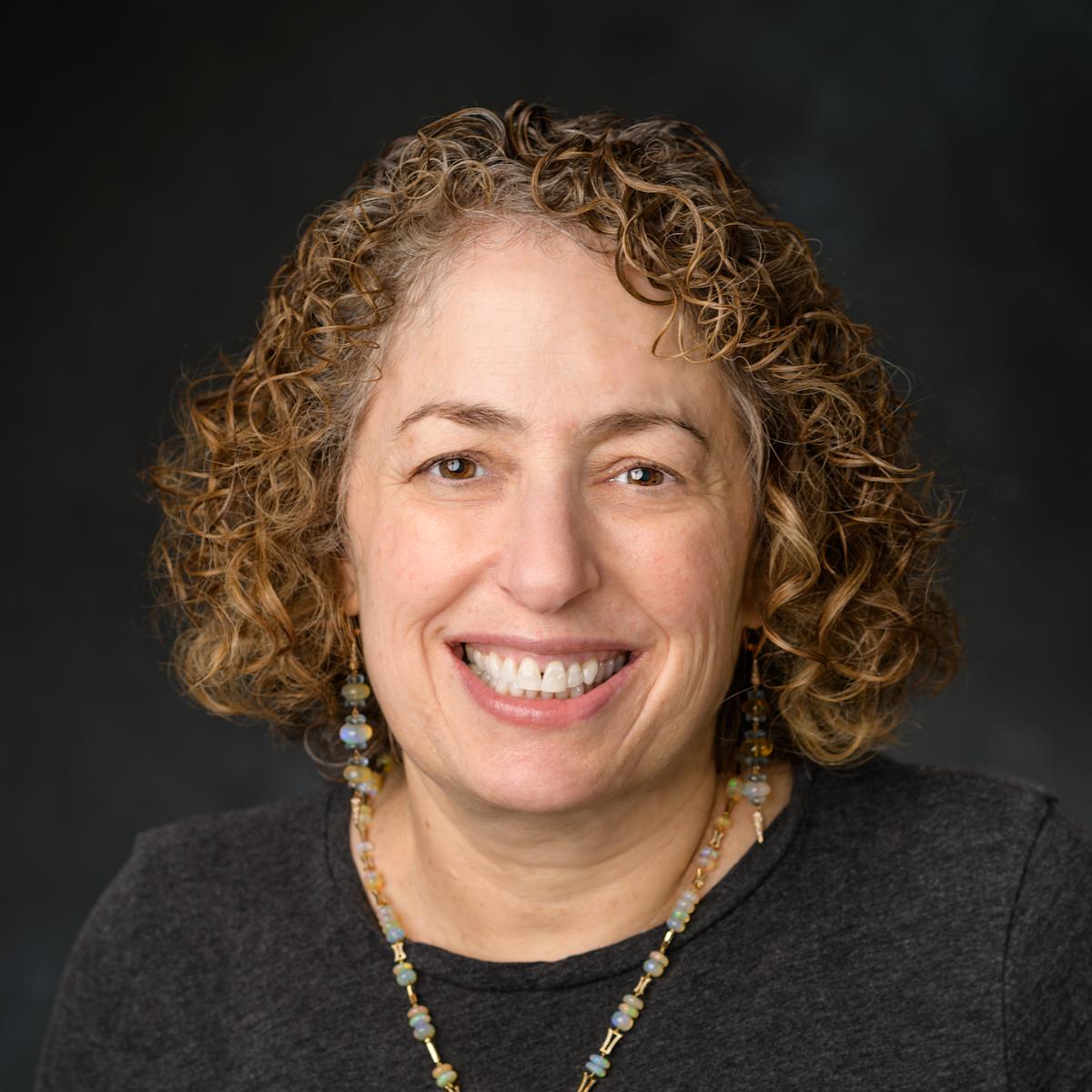 Eve Riskin
Dean of Undergraduate Education, Department of Electrical and Computer Engineering
Eve Riskin has spent her career asking a question most engineering faculty don’t: who isn’t in the room, and why not.
At the University of Washington, where she spent decades before joining Stevens, she directed the ADVANCE program for women faculty in STEM and founded STARS, which brought students from limited-income backgrounds into engineering and computer science. The recognition followed: NSF Young Investigator, Sloan Research Fellowship, the 2006 Hewlett-Packard Harriett B. Rigas Award, a 2020 Presidential Award for Excellence in Science, Mathematics and Engineering Mentoring. She was elevated to IEEE Fellow in 2009.
At Stevens, she serves as Dean of Undergraduate Education. The work is the same work it’s always been: making sure the right people get into the room, and that the room is worth being in.
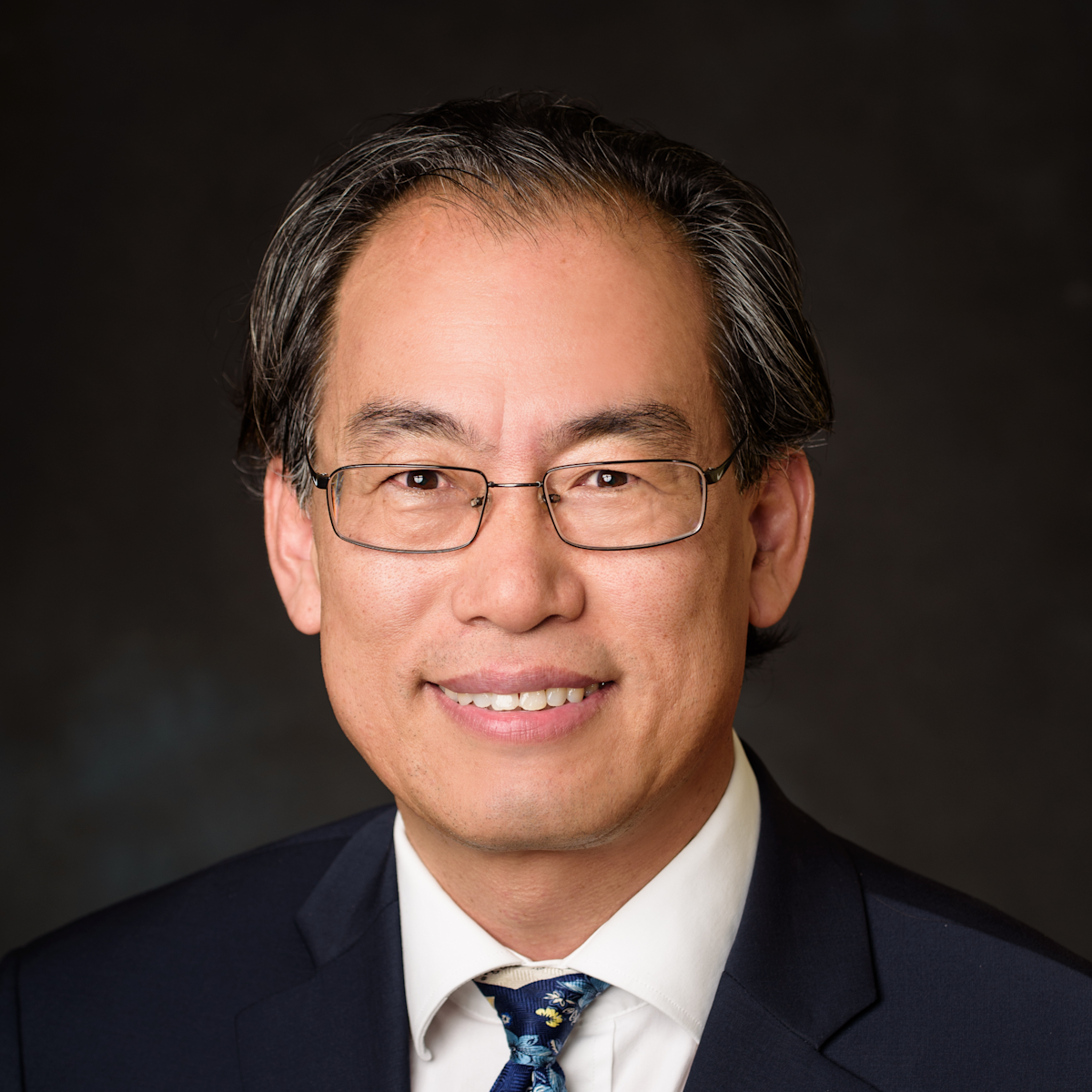 Min Song
Professor, Director of the Center for Innovative Computing and Networked Systems (iCNS) and Department Chair, Department of Electrical and Computer Engineering
Thirty-five years across academia, government, and industry gives Min Song a vantage point most researchers never develop. Professor and Chair of the Department of Electrical and Computer Engineering at Stevens and Founding Director of the Center for Innovative Computing and Networked Systems (iCNS), Song was elevated to IEEE Fellow in 2018 and has worked inside the National Science Foundation as a Program Director, led research in fields ranging from spectrum management to machine learning, and published more than 200 technical papers along the way.
Song’s career includes four years as a Program Director at the National Science Foundation, an experience that gives him an uncommon vantage point on how research ecosystems are built and sustained. He is a recipient of both the NSF CAREER Award and the NSF Director’s Award, the latter recognizing exceptional service to the broader scientific community.
His collaborative leadership style, focused on developing shared visions, cultivating resources, and building relationships across institutional boundaries, brings a dimension to the Stevens Department of Electrical and Computer Engineering community that extends well beyond individual research achievement. For students considering graduate study or faculty considering a move, Song represents what it looks like to lead with both technical depth and institutional vision.
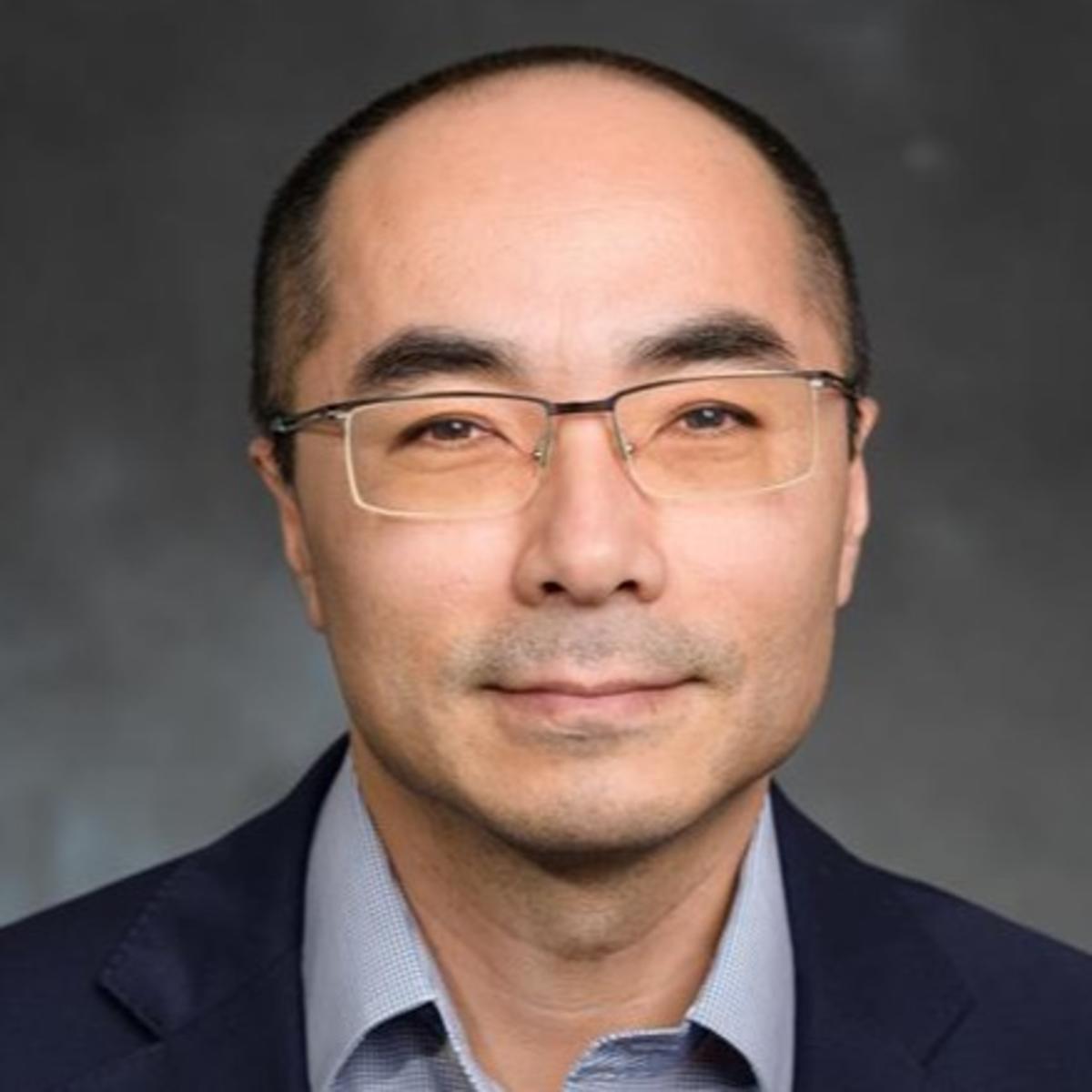 Lei Wu
Anson Wood Burchard Professor of Electrical Engineering, Department of Electrical and Computer Engineering
Every time a power grid stays stable during a heat wave or recovers quickly from a disruption, it reflects decades of work by researchers like Lei Wu. Professor and Anson Wood Burchard Chair Professor in the Department of Electrical and Computer Engineering at Stevens, Wu was elevated to IEEE Fellow in 2022. His research is focused on ensuring efficient, sustainable, and resilient electric energy supply and delivery, problems with direct consequences for how modern society functions.
Wu has published more than 250 journal and conference papers and five books or book chapters, filed a U.S. patent, and received multiple prize paper awards from the IEEE Power and Energy Society. His research has attracted funding from the NSF, the Department of Energy, state agencies, and industry partners, and some of his contributions have advanced to successful technology transitions; his work is not only published but applied.
His individual recognitions include the IBM Smarter Planet Faculty Innovation Award (2012), the NSF CAREER Award (2013), Clarkson University’s John W. Graham Faculty Research Award (2015), and Stevens’ Jess H. Davis Memorial Award for Research Excellence (2020). For students drawn to the critical infrastructure challenges of the energy transition, Wu’s lab offers a direct connection between rigorous academic research and meaningful real-world impact.
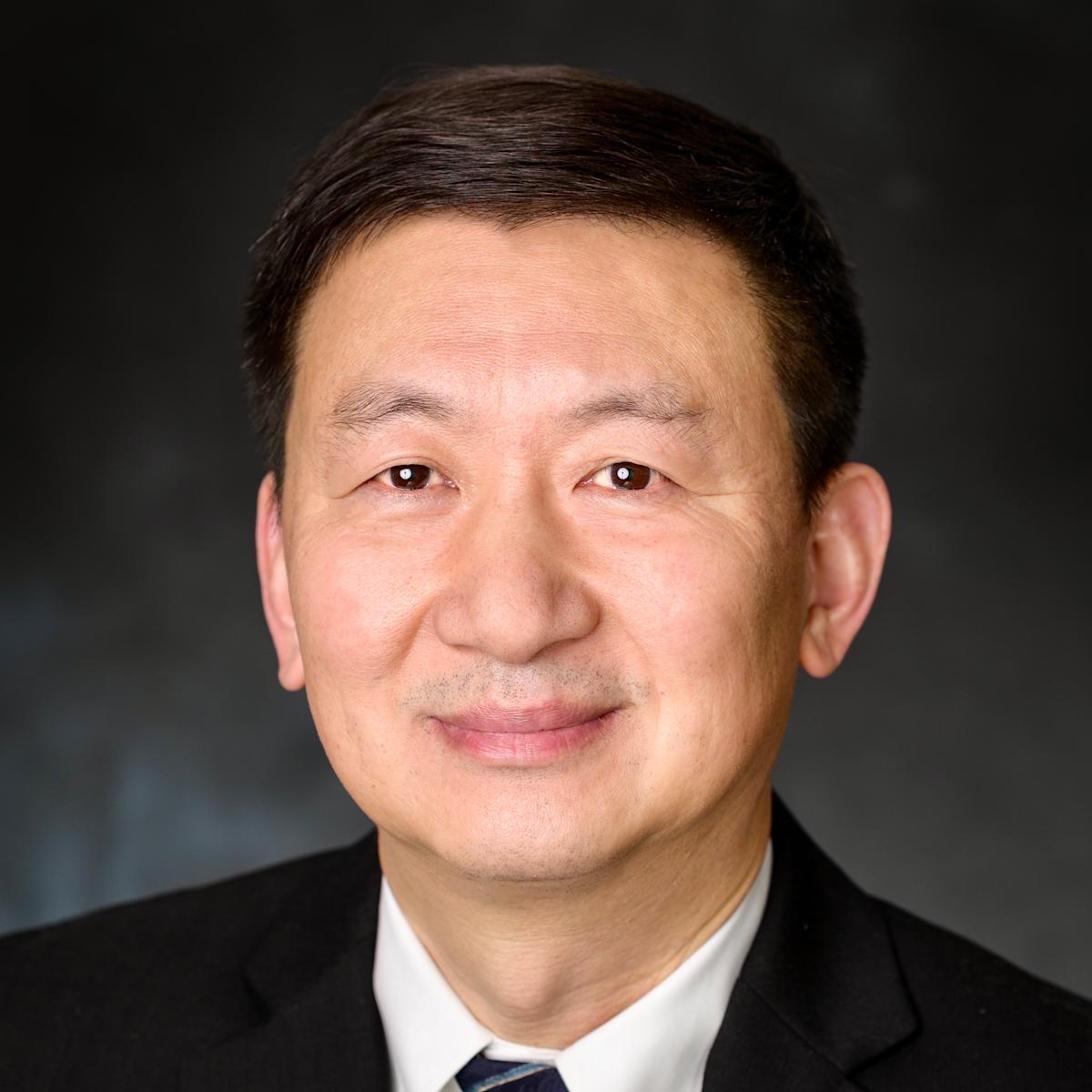 Yu-Dong Yao
Professor, Department of Electrical and Computer Engineering
Yu-Dong Yao came to Stevens in 2000, bringing experience from postdoctoral work at Carleton University in Ottawa, satellite communications research at SPAR in Montreal, and wireless systems development at QUALCOMM in San Diego. That path — across multiple sectors and countries before settling into academia — gives his research a grounding that is hard to manufacture.
Elevated to IEEE Fellow in 2011, his research spans wireless communications and networking and the application of AI methods — machine learning, deep learning, large language models — to engineering problems. He currently serves as Editor-in-Chief of AI Engineering.
He is also a Fellow of the Canadian Academy of Engineering and a Fellow of the National Academy of Inventors.
Why it Matters
What eight IEEE Fellows in one department actually reflects is a faculty built around research that holds up to scrutiny. From energy systems to cybersecurity to the algorithms underneath modern AI, the work here has been recognized not because of where it was done, but because of what it produced.
For students, that means the faculty member leading your thesis committee or co-authoring your first paper has likely navigated the same professional landscape you’re entering. For faculty candidates, it means colleagues who understand what serious research requires and a department with the track record to support it.
That kind of distinction isn’t built quickly but is the result of sustained work — and sustained standards.
Learn more about academic programs and research in the Department of Electrical and Computer Engineering: