ASME Elects Fellows From 100,000 Members Worldwide. Now 9 Are at Stevens.
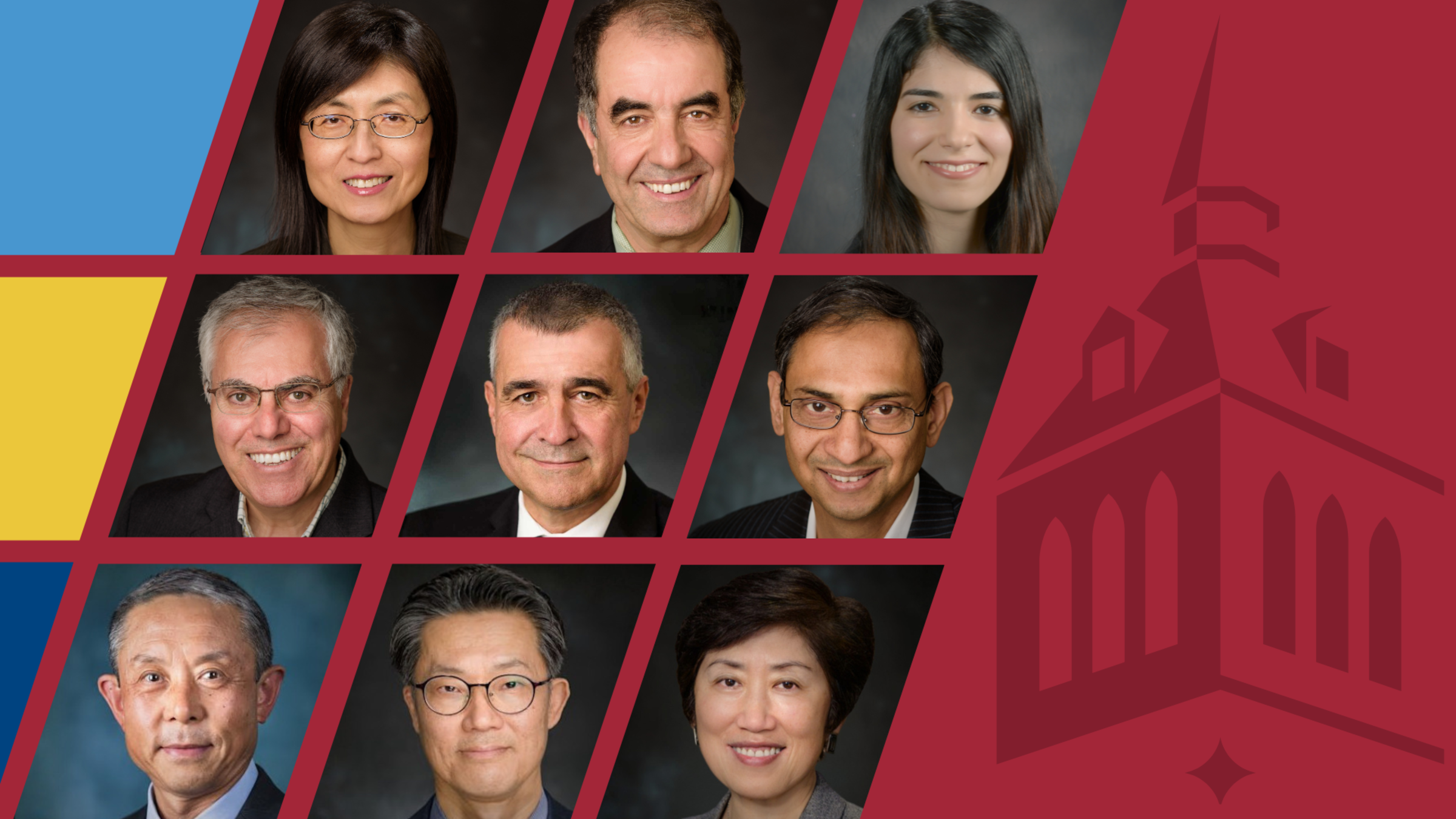
In a global professional society of over 100,000 members, fewer than 3,500 have ever earned the distinction of ASME Fellow — the highest grade of membership conferred by the American Society of Mechanical Engineers. Ten of those Fellows are on the faculty of the Charles V. Schaefer, Jr. School of Engineering and Science at Stevens Institute of Technology.
 What is an ASME Fellow?
As one of the oldest and most respected professional engineering organizations in the world, ASME has set codes and standards that underpin industries from aerospace to energy to biomedical devices.
The Fellow designation is conferred by the Committee of Past Presidents on members who have demonstrated outstanding engineering achievements over sustained careers — a minimum of ten years of active practice and ASME membership, nominated and sponsored by peers already holding the grade. Fewer than four percent of ASME’s membership has ever earned it.
It is, in short, a peer judgment of lifetime excellence embodied in the following faculty members:
ASME Fellows at the Schaefer School
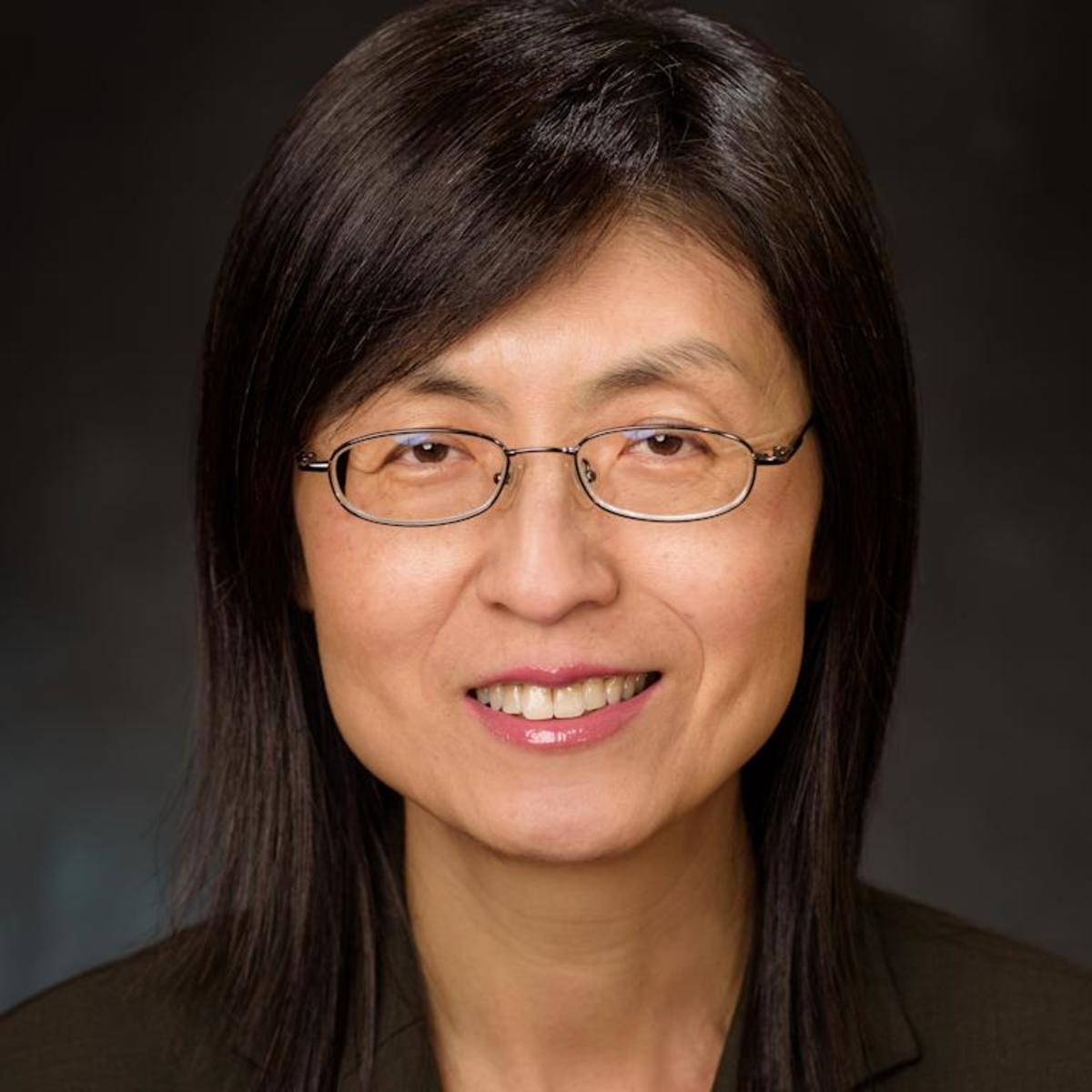 Yi Guo
Professor and Thomas E. Hattrick Chair Professor, Department of Electrical and Computer Engineering
Yi Guo joined the Department of Electrical and Computer Engineering at Stevens Institute of Technology in 2005, and is currently Thomas E. Hattrick Chair Professor. Guo received her Ph.D. degree in Electrical and Information Engineering from the University of Sydney, Australia. After her Ph.D., she worked as a postdoctoral research fellow at Oak Ridge National Laboratory. Guo’s research interests are mainly in distributed and collaborative robotic systems, human-robot interaction, and dynamic systems and controls.
She authored one book, edited one book and published over 150 journal and conference papers. She served as the Editor-in-Chief of the IEEE Robotics and Automation Magazine from 2021 to 2025. She was Associate Editor of IEEE Robotics and Automation Letters, IEEE/ASME Transactions on Mechatronics and IEEE Access. Her awards include Provost’s Award for Research Excellence at Stevens, and Best Application Paper Award at WCICA2018. She was the Program Chair for the 2025 IEEE/RSJ International Conference on Intelligent Robots and Systems (IROS).
She currently serves on the ASME Dynamic Systems and Control Division Honors and Awards Committee and with the IEEE Robotics and Automation Society (RAS) Committee to Aid Reporting on Misconduct Concerns (CARES). She is Distinguished Lecturer of IEEE RAS.
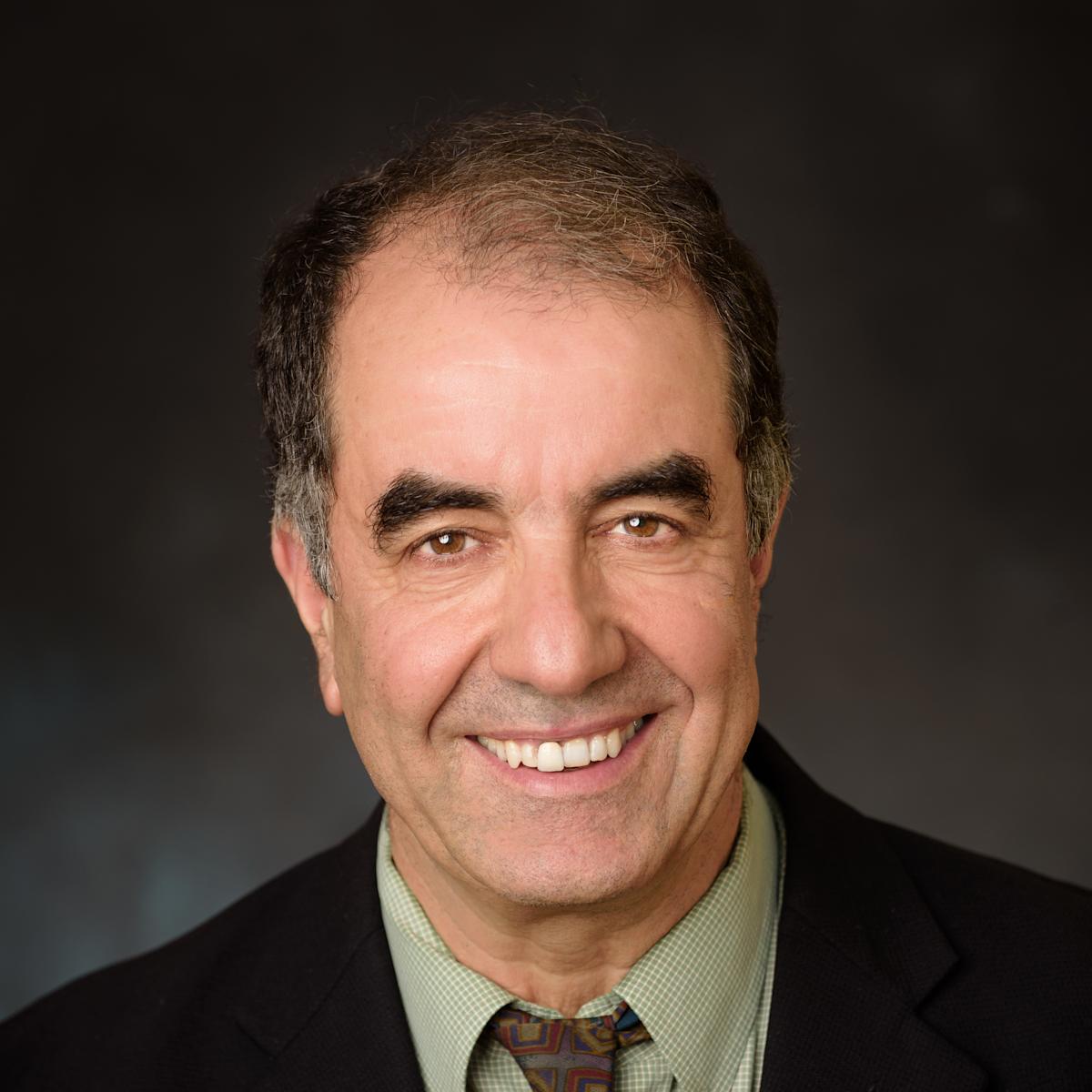 Hamid A. Hadim
Professor and Associate Department Chair for Undergraduate Studies, Department of Mechanical Engineering
Few engineering problems sit closer to the physical limits of materials than thermal management — and that is precisely where Hadim has built his career. His foundational work in thermal convection through porous media, microelectronics cooling, and MEMS packaging helped establish design principles still used in high-performance electronics today.
More recently, he has turned his attention to battery thermal management for lithium-ion batteries used in electric vehicles and space satellites — applying machine learning-driven design and multi-objective optimization to develop safer, lighter, and more reliable passive thermal management systems for next-generation energy storage.
Within the classroom, Hadim has been equally influential. A recipient of both the Jess H. Davis Memorial Research Award and the Alexander Humphreys Distinguished Teaching Award at Stevens, his scholarship on pedagogical approaches to engineering education has shaped how the discipline trains the next generation of engineers. He has served as Associate Technical Editor of the ASME Journal of Electronic Packaging and Technical Editor of ASME Applied Mechanics Reviews.
More about Hadim >>
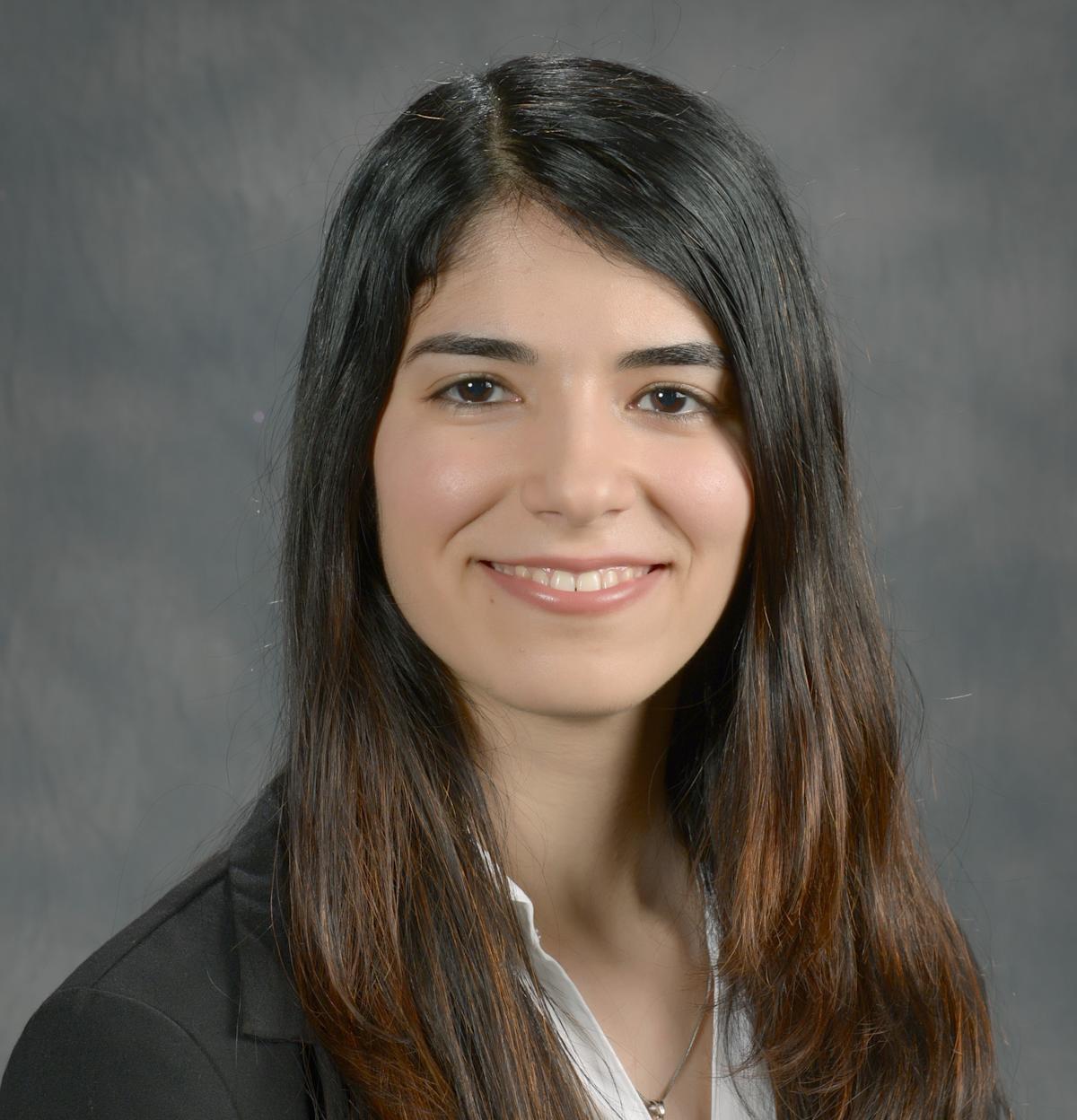 Shima Hajimirza
Associate Professor, Department of Mechanical Engineering
What happens when you train a machine learning model on the physics of how light and heat move through complex materials? Hajimirza’s lab is answering that question, and the implications extend far beyond the laboratory. By fusing rigorous mathematical theory with computational design and artificial intelligence, her team is developing predictive frameworks for sustainable energy systems, advanced materials, and next-generation Digital Twins for complex energy and thermal systems.
The breadth of downstream applications, from renewable energy and nanomaterials to resilient infrastructure and high-performance thermal technologies, reflects the fundamental nature of her contributions. She has authored more than 90 peer-reviewed publications and secured competitive funding from the National Science Foundation, including an NSF CAREER Award for her pioneering work on precise mathematical modeling of radiation heat transfer, as well as support from the U.S. Department of Defense, the U.S. Department of Energy, and major industry partners.
She serves as Associate Editor of the ASME Journal of Solar Energy Engineering, and her election as an ASME Fellow recognizes the transformative and sustained national impact of her work on computational thermal sciences and AI-enabled energy systems.
More about Hajimirza >>
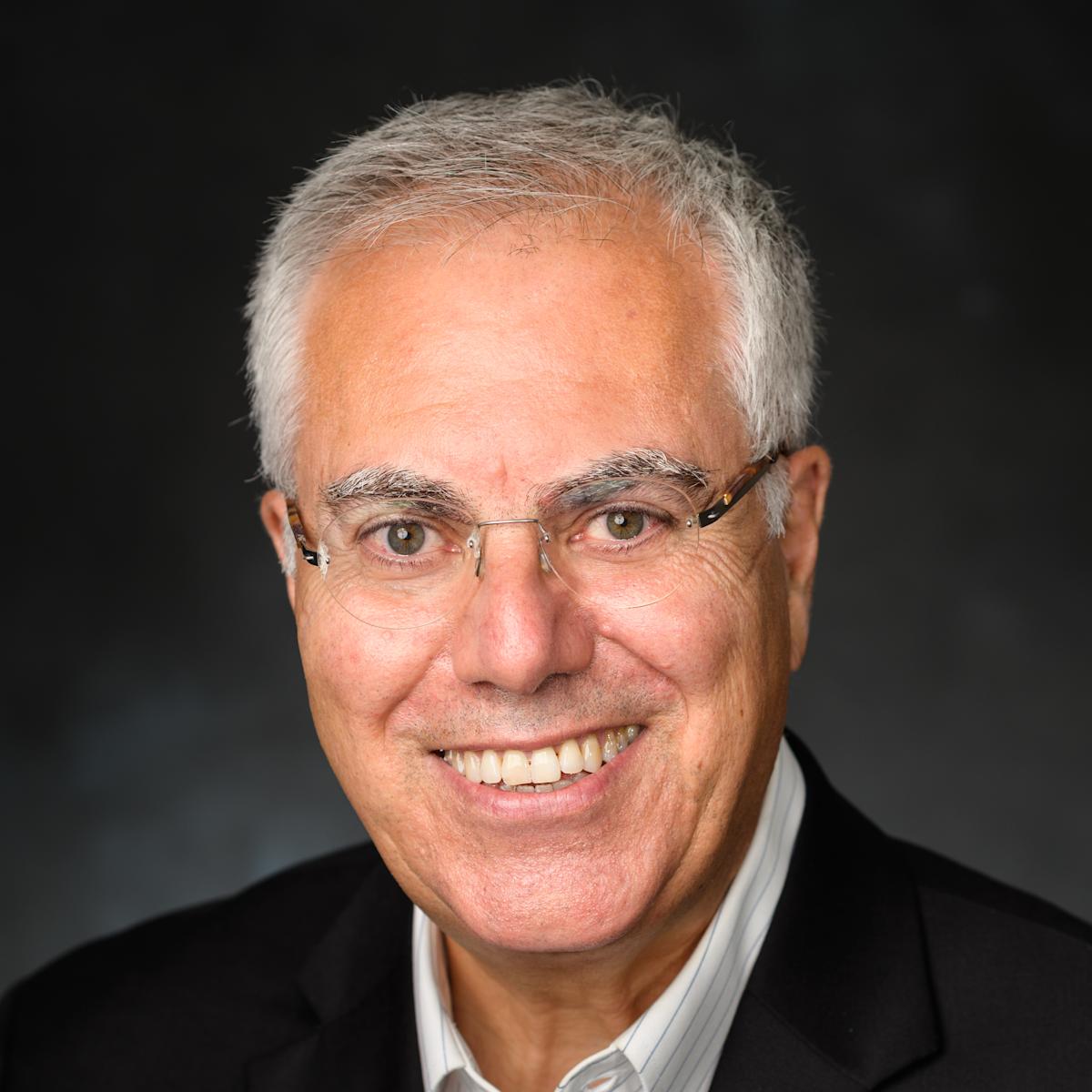 Souran Manoochehri
Professor and Department Chair, Department of Mechanical Engineering
When Manoochehri joined Stevens as an assistant professor in 1989, additive manufacturing was barely a concept and “smart manufacturing” wasn’t yet a phrase. He helped make both into research fields. As department chair since 2018, he has led a period of significant growth in faculty research output, scholarly recognition, and student enrollment.
His research program spans smart manufacturing and automation, integrated product design, and AI applications in additive manufacturing — areas that sit at the center of the current industrial transformation. That work has attracted more than $30 million in funding from agencies including DARPA, ONR, U.S. Army, and NIST, and from industry partners such as AT&T, 3M, General Motors, and Lockheed Martin.
He has authored more than 140 peer-reviewed publications, mentored over 30 graduate students, and co-founded the Design and Manufacturing Institute at Stevens. His ASME Fellow election reflects a career that has simultaneously advanced the science of manufacturing and built the institutional infrastructure to sustain that work for decades to come.
More about Manoochehri >>
 Christophe Pierre
Jess H. Davis Professor of Mechanical Engineering, Department of Mechanical Engineering
Turbomachinery manufacturers around the world run Pierre’s code. That alone signals something unusual: a career in fundamental structural dynamics that has crossed over, repeatedly, into industrial practice. His pioneering work on mode localization in disordered periodic structures and nonlinear normal modes has become foundational in the field, and his vibratory response prediction tools have been licensed to manufacturers across the aerospace and energy sectors.
With more than 300 refereed publications, 35 doctoral students graduated, more than 15,000 citations, and an h-index of 65, his scholarly impact ranks among the most significant in mechanical engineering of the past three decades. Beyond ASME, he is a Fellow of the American Academy of Mechanics and the National Academy of Inventors.
Before joining Stevens as Provost in 2016, Pierre served as Vice President for Academic Affairs at the University of Illinois, Dean of Engineering at McGill University, and a chaired professor at the University of Michigan. He holds a Ph.D. from Duke University and degrees from Princeton and Ecole Centrale de Paris.
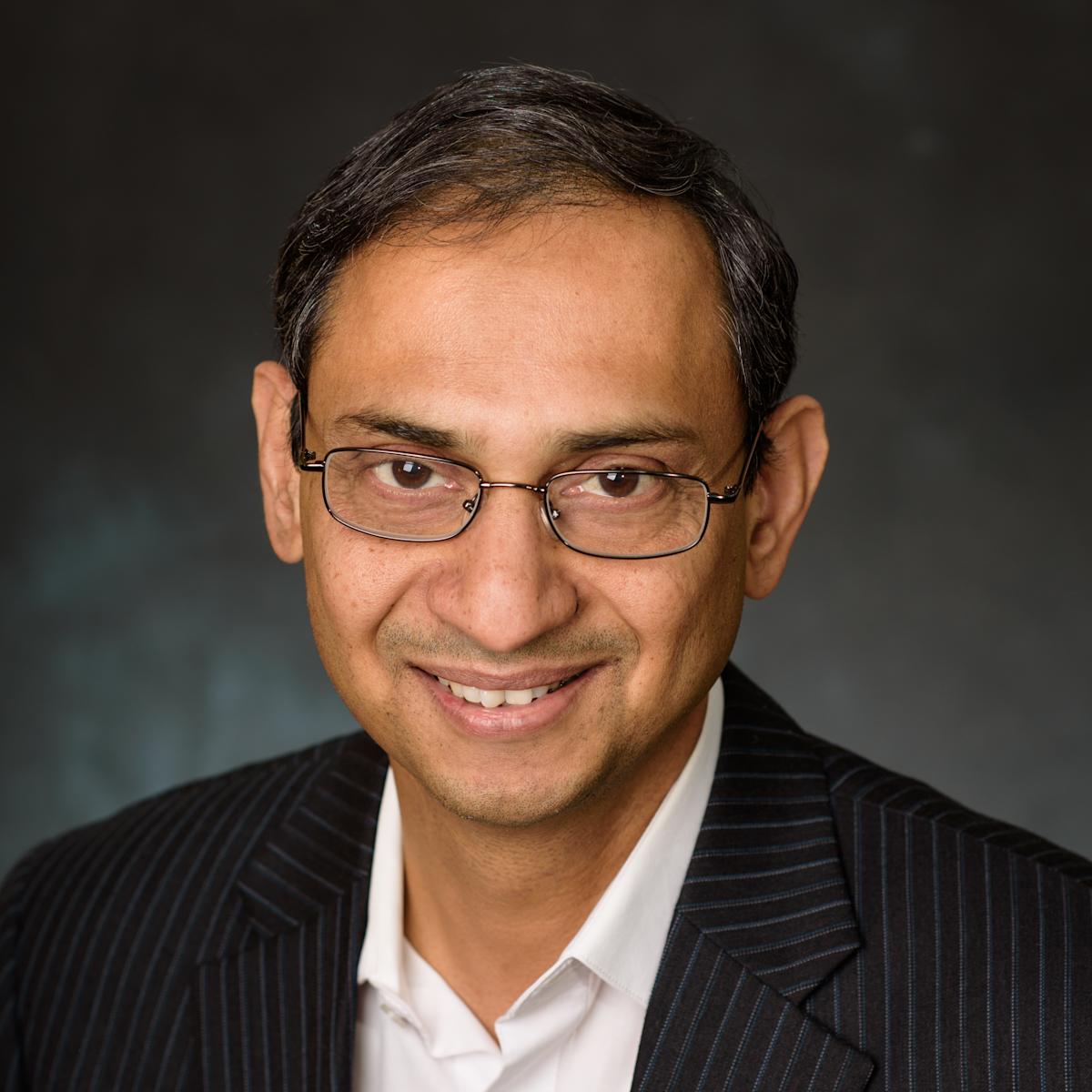 Kishore V. Pochiraju
Professor and Department Chair, Department of Systems Engineering
When a complex engineered system fails — a composite structure, an autonomous platform, a safety-critical assembly — the questions Pochiraju has spent three decades studying become urgent. His research focuses on systems failure and safety, durability, uncertainty quantification, and machine learning-enabled diagnostics, with direct implications for aerospace, defense, and critical infrastructure.
He directs the Prototype Object Fabrication (PROOF) Laboratory at Stevens and holds multiple U.S. patents. In addition to his ASME Fellowship, Pochiraju is a Fellow of the American Society for Composites (ASC) and currently serves as an elected member of the ASC Executive Committee. His career bridges rigorous theoretical work and hands-on, project-based practice in ways that characterize the Schaefer School’s broader approach to engineering education and research.
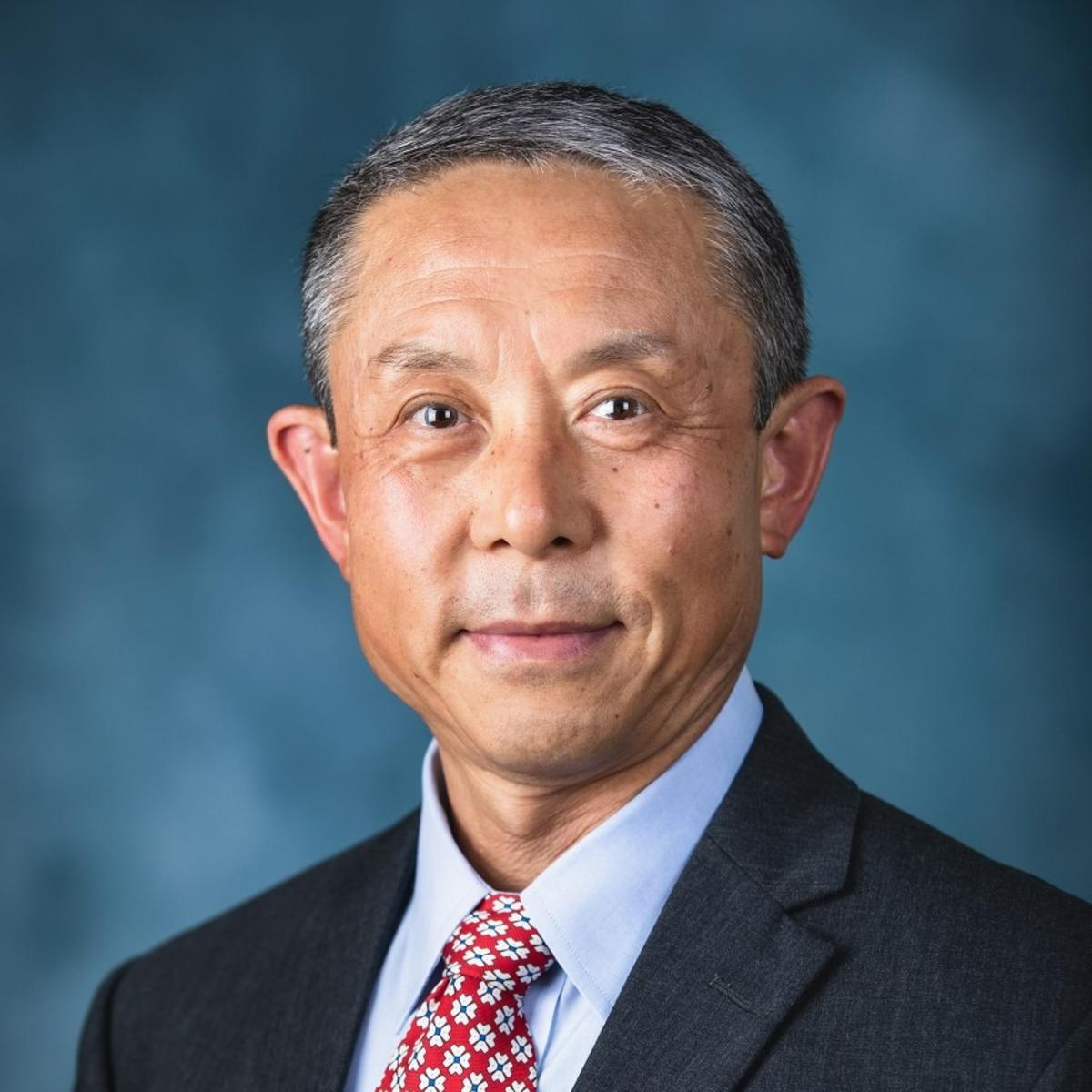 Jianmin Qu
Senior Vice President for Academic Affairs and Provost, Department of Electrical and Computer Engineering
At the scale of microns and interfaces — where materials bond, fracture, and conduct — Qu has done some of the most cited work in applied mechanics of his generation. His research spans micromechanics of composites, interfacial fracture and adhesion, thermomechanical reliability of microelectronic packaging, and ultrasonic nondestructive evaluation of advanced materials. His more than 240 journal papers and two books have accumulated more than 19,000 citations with an h-index of 74.
That work has been sponsored by the National Science Foundation, the Office of Naval Research, the U.S. Air Force, U.S. Army, Defense Advanced Research Projects Agency (DARPA), the Department of Energy, and industry partners including Motorola, Ford, IBM, GE, Intel, AMD, and Northrop Grumman. Before coming to Stevens as Provost in 2021, he served as Dean of Engineering at Tufts University and held chaired professorships at Northwestern University and Georgia Tech. He holds a Ph.D. and master’s from Northwestern in theoretical and applied mechanics.
In addition to his ASME Fellowship, Qu is a Fellow of IEEE.
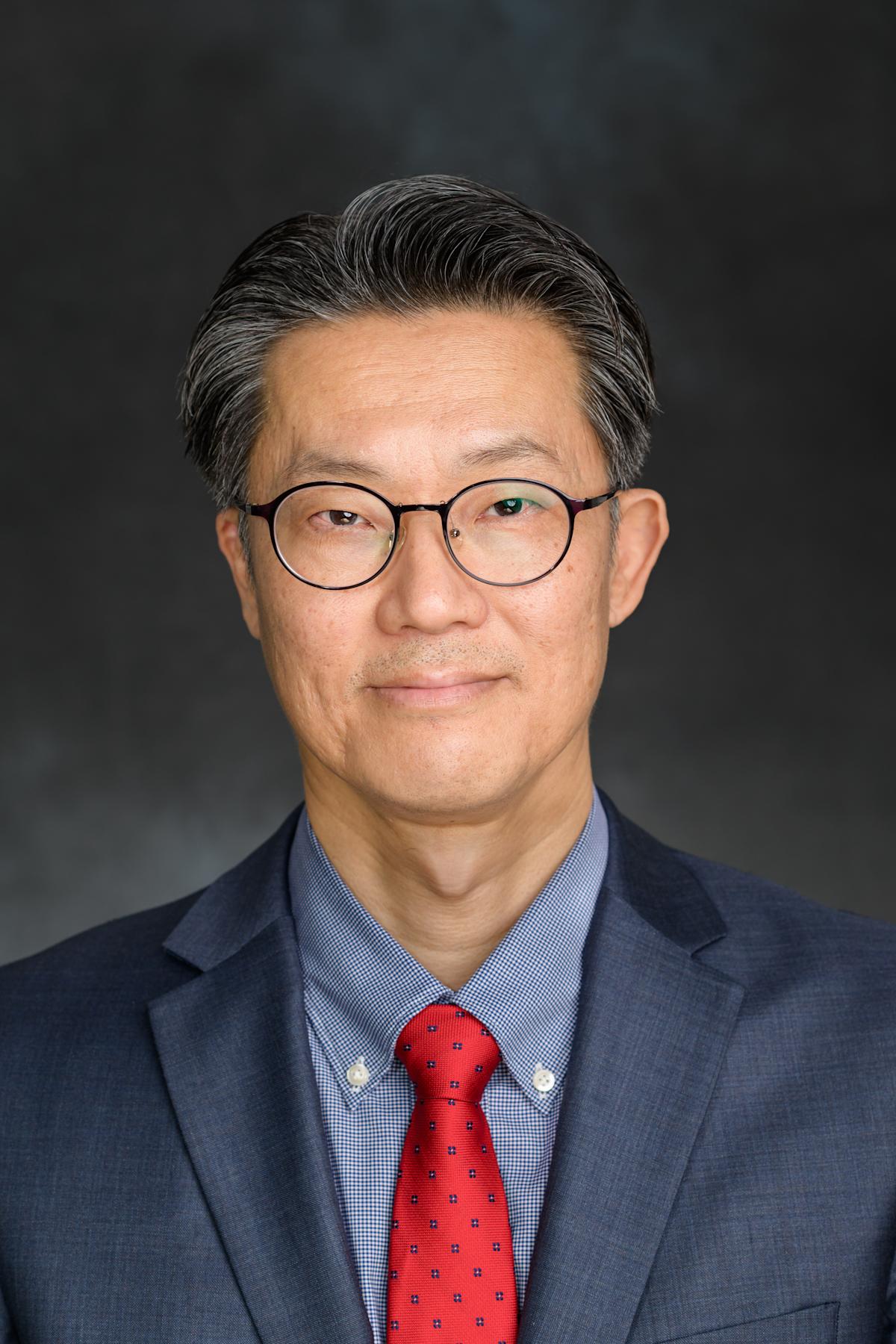 EH Yang
Professor, Department of Mechanical Engineering
Yang’s career traces a remarkable arc — from NASA’s Jet Propulsion Laboratory, where he led advanced MEMS actuator programs for space missions and received JPL’s Lew Allen Award for Excellence, to a research program at Stevens that has become a national hub for 2D quantum materials, memory devices, and nanosensors.
Since joining Stevens in 2006, he has secured more than forty federal grants and contracts totaling approximately $11 million, from NSF, AFOSR, the U.S. Army, NASA, the National Reconnaissance Office, and DARPA. His work has appeared in Nature Communications, ACS Nano, Advanced Materials, and Nano Letters, and he holds 18 U.S. patents. He has delivered more than 140 keynote and invited talks worldwide.
In addition to his ASME Fellowship, Yang is a Fellow of the National Academy of Inventors and has received the IEEE Sensors Council Technical Achievement Award (Advanced Career). He currently serves as Interim Editor-in-Chief of IEEE Sensors Reviews and is a Distinguished Lecturer of both the IEEE Nanotechnology Council and the IEEE Sensors Council.
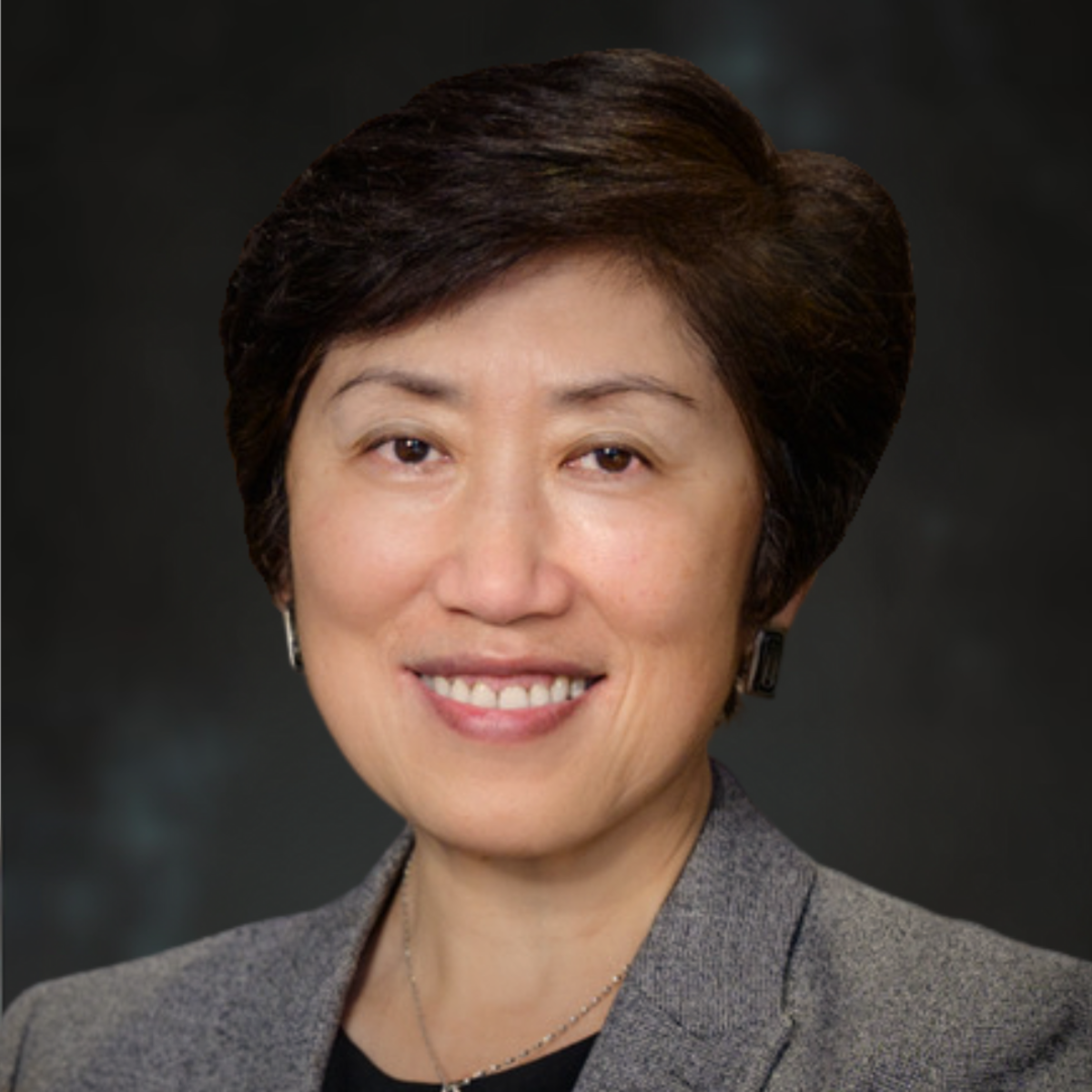 Jean Zu
Lore E. Feiler Dean, Schaefer School of Engineering and Science
Before she became the Dean overseeing more than 50 programs, 200 faculty and 5,500 students, Zu was — and remains — a researcher. Her scholarly work in mechanical vibrations and energy harvesting has resulted in 340 publications (including 180 journal papers), five patents, and $5 million in research funding, primarily as principal investigator.
Before joining Stevens in 2017, she served as Chair of the Department of Mechanical and Industrial Engineering at the University of Toronto for eight years. She is a Fellow of ASME, the Canadian Academy of Engineering (CAE), the Engineering Institute of Canada (EIC), the Canadian Society for Mechanical Engineering (CSME), and the American Association for the Advancement of Science (AAAS).
In 2024, Zu was elected Honorary Member of ASME — one of the society’s most prestigious distinctions, reserved for individuals who have conferred significant benefit on the engineering profession or on society at large.
A Concentration of Excellence
Nine ASME Fellows on a single engineering faculty is a rare thing. It reflects years of deliberate hiring and sustained investment in research, but more than that, it reflects a culture in which deep scholarship and real-world impact are treated as the same goal.
Together, these faculty span thermal sciences, structural dynamics, nanotechnology, manufacturing, systems engineering, energy harvesting, and applied mechanics. Their combined work has shaped the standards and technical committees that govern the profession, produced thousands of peer-reviewed publications, and trained generations of engineers now working across industry, government, and academia.
What ASME’s recognition makes visible is something that has been quietly building at Stevens for decades.
Beyond the Fellowship: ASME on Stevens Research
Fellowship is a career distinction. The research that earns it starts much earlier. ASME has been watching Stevens faculty at every stage.

Learn more about programs and research at the Schaefer School:
