Internships, Summer Jobs and Real-Life Experiences: Nine Stevens Students Share Their Summer Stories
A single class led one student to MIT. Another learned that an autonomous boat behaves very differently on a river than it does in a lab. One spent the summer asking who really benefits from public infrastructure projects, while another found herself deploying software within weeks of starting her internship.
These students followed different paths, explored different fields and tackled different challenges, but they share one common thread: a summer spent learning by doing.
Meet some of the Stevens students across the Schaefer School of Engineering and Science, the School of Business and School of Computing who turned curiosity into experience this summer:
Engineering Answers at the Atomic Scale
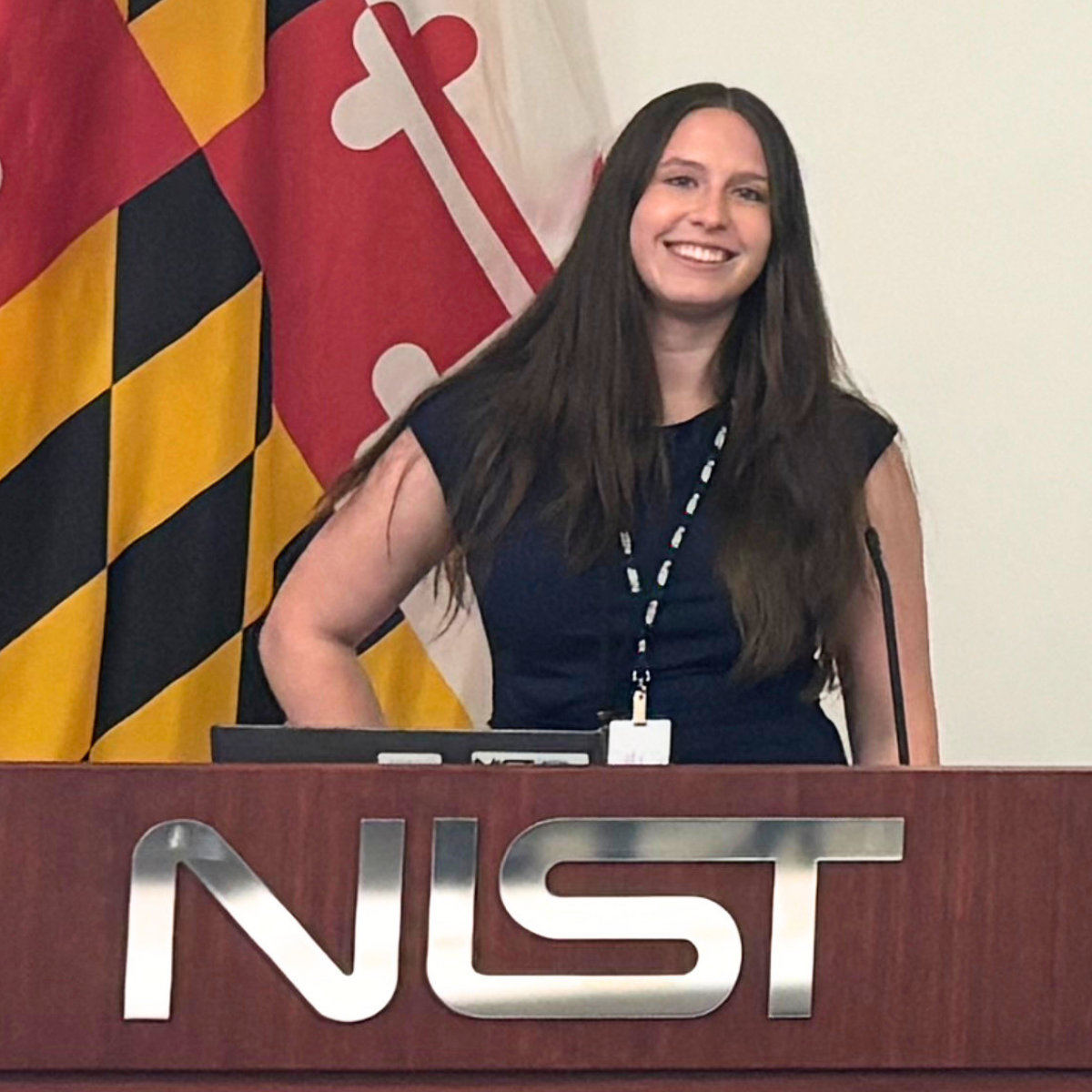
Isabella Archiello '28
Program: Chemical Engineering, Schaefer School of Engineering and Science
Internship/Co-operative: National Institute of Standards and Technology (NIST)
Most people never see what happens inside a therapeutic antibody. Isabella Archiello spent the summer studying them atom by atom.
The Chemical Engineering student used molecular dynamics simulations to investigate how antibodies respond to heat, helping advance research that could improve how future therapeutic drugs are developed and tested. Along the way, she discovered that her favorite part of research wasn't just the science itself. It was turning complex data into meaningful insights and uncovering patterns hidden beneath the surface.
"One of my favorite parts of the research project was seeing how much information we can learn about a biological molecule through computational simulations," Isabella says. "It was especially rewarding to take something as complex as an antibody, analyze its behavior at the atomic level, and gradually turn a large amount of simulation data into meaningful trends."
Research showed Isabella something she hadn't fully realized before: she enjoys untangling complexity. Looking ahead, Isabella hopes to apply the computational tools she uses today to larger questions in neuroscience and drug delivery. Her goal is to pursue a Ph.D. and eventually work in the pharmaceutical or biotechnology industry in research and development. Whether she's studying antibodies, machine learning or neuroscience, she's drawn to questions that don't have obvious answers and the challenge of making sense of them.
Learning to Trust the Process
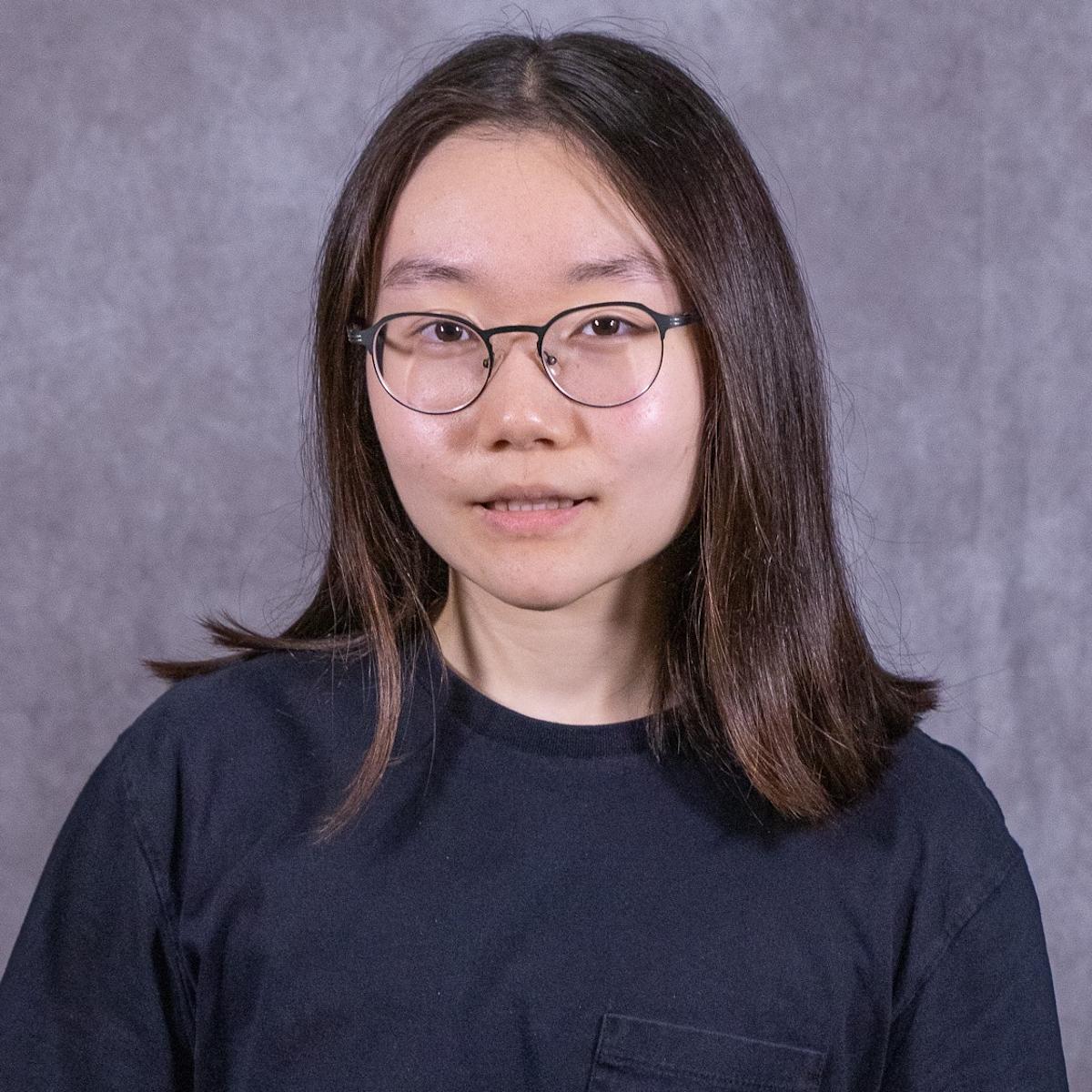
Madeline Baik '29
Program: Physics, Schaefer School of Engineering and Science
Internship/Co-operative: Pinnacle Scholars Summer Research Program
When Madeline Baik began her summer research project, she hoped her machine learning model would uncover patterns in stock market data and accurately predict future returns. Instead, she gained something she didn't expect: a new understanding of how research actually works.
The experience gave Madeline a new perspective: "Projects and research aren't linear, and that's okay."
Through the Pinnacle Scholars program, Madeline spent the summer building a graph attention network model using financial data and machine learning tools. Some weeks brought rapid progress. Others required her to revisit assumptions, rethink her approach and start over. While the project didn't produce the results she originally envisioned, it gave her hands-on experience with machine learning and taught her that meaningful research is rarely a straight line.
For Madeline, the most important result wasn't found in the data. It was learning that research doesn't always reward certainty. Sometimes progress comes from revisiting assumptions, changing direction and staying patient long enough to see where the questions lead.

The Turbine That Wouldn't Stop Teaching
Eric Figueroa '28
Program: Mechanical Engineering, Schaefer School of Engineering and Science
Internship/Co-operative: Accessing Careers in Engineering and Science — ACES
Eric Figueroa spent the summer trying to improve a turbine. The turbine had other plans.
"I originally pursued research to further explore my career interests and to strengthen my skills in engineering, [and] I initially considered concentrating on automotive engineering, but this research experience introduced me to sustainability and sparked my interest in potentially pursuing that concentration instead," recalls Eric.
Working in the Stevens MakerCentervia Stevens' ACES program, the Mechanical Engineering student prototyped a new turbine system designed to reduce leakage and increase power output. But every improvement seemed to uncover a new challenge, forcing him to rethink, redesign and test the system again. Drawing on concepts from his previous coursework, he also used MATLAB to generate testing results and compare previous designs with newer iterations to determine which performed more effectively.
That cycle of building, testing and refining became the most valuable lesson of the summer. "It's definitely a fun experience," Eric shared. He learned that engineering isn't about creating a perfect design on the first try. It's about staying curious enough to keep improving it. By the end of the project, he wasn't just thinking differently about turbines. He was thinking differently about problem-solving itself.
Finding Her Future in Nanotechnology
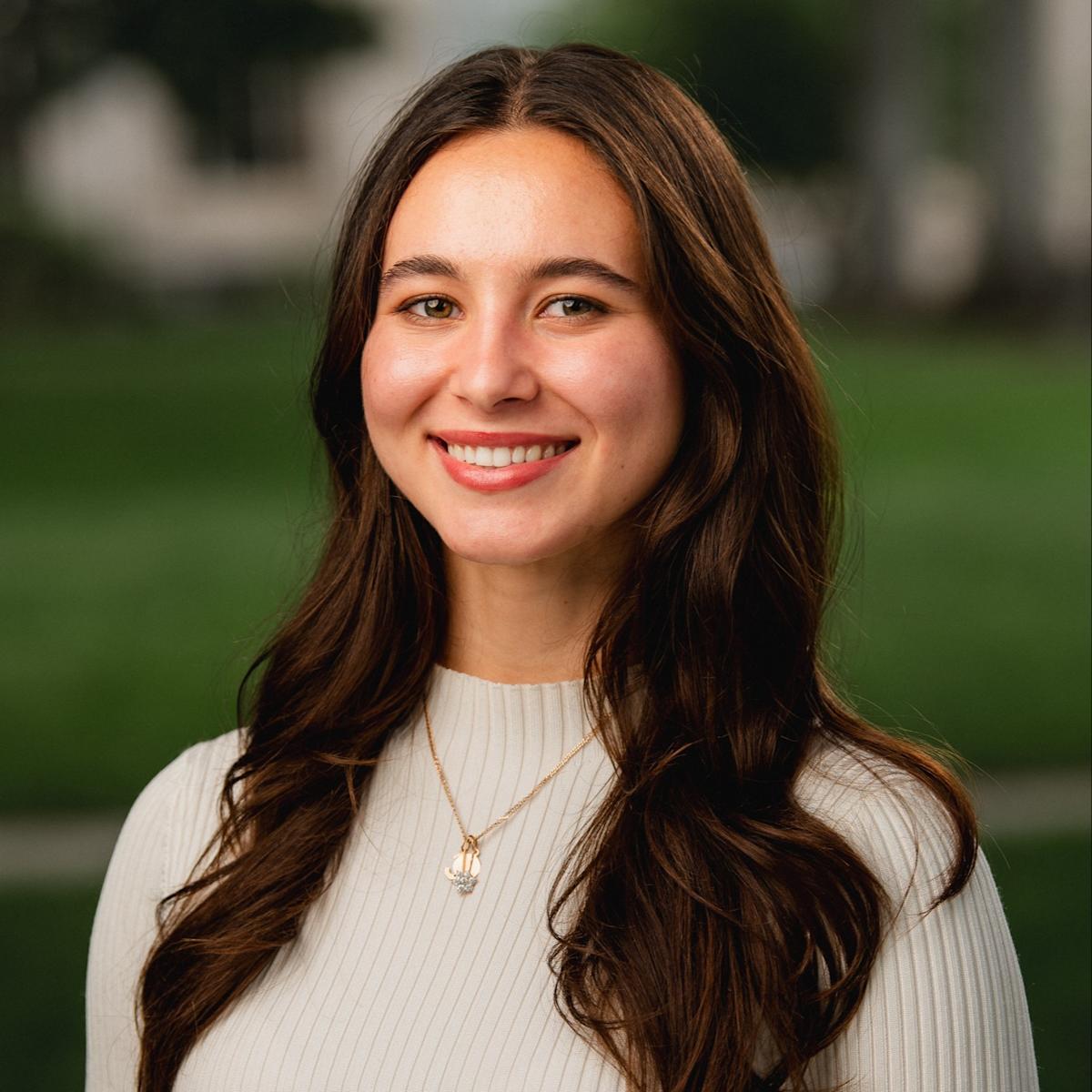
Sofiia Goncharuk '28
Program: Mechanical Engineering, Schaefer School of Engineering and Science
Internship/Co-operative: MIT Summer Research Program (MSRP), necstlab
A Stevens elective sparked Sofiia Goncharuk's interest in nanotechnology. That curiosity eventually led her to MIT's necstlab, developing carbon nanotube-reinforced materials for aerospace thermal protection systems, materials engineered to protect spacecraft from extreme temperatures.
The experience expanded her understanding of how nanomaterials can be used far beyond aerospace, from clean energy technologies to atmospheric water harvesting. Just as importantly, it revealed the reality of research: progress often comes through persistence, patience and countless rounds of troubleshooting behind the scenes.
"I need to expect the unexpected," says Sofiia. "I didn't realize how much time it takes to figure out even the smallest part of a project – and that behind someone saying 'I was able to make this sample' often lies three years and ten people's work."
A single elective course introduced Sofiia to nanotechnology. A summer at MIT showed her what a future in research could look like, and today, Sofiia is exploring graduate school and a future shaped by the same curiosity that first drew her to nanotechnology.
Reimagining Cancer Research, One Microchip at a Time
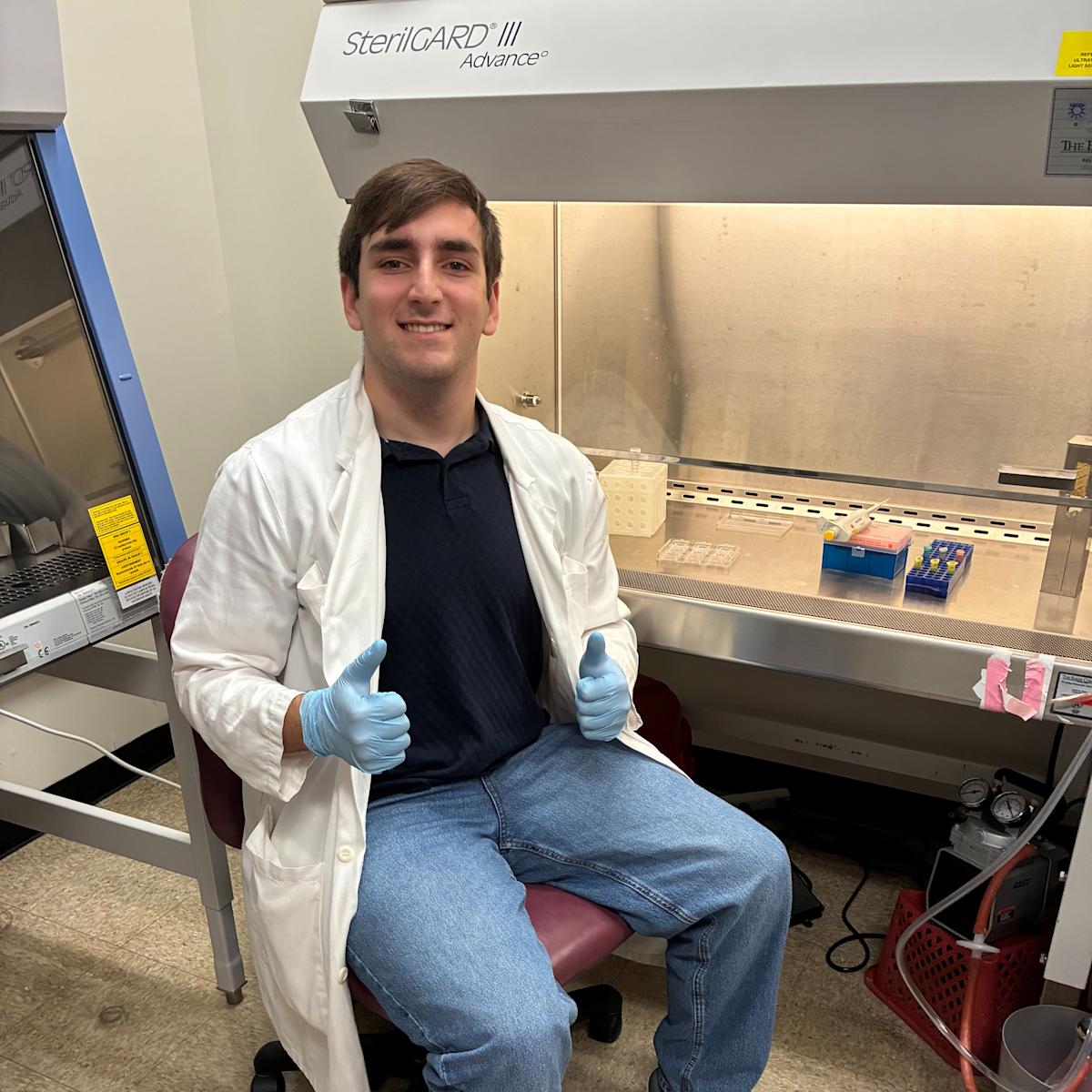
Joshua Greenberg '28
Program: Biology, Schaefer School of Engineering and Science
Internship/Co-operative: Summer Biomedical Research Program (SBRP), ECU Brody School of Medicine
Can a tiny microfluidic chip help reshape cancer research? Joshua Greenberg spent the summer investigating that possibility at East Carolina University's Brody School of Medicine, where he studied a novel treatment for acral lentiginous melanoma, a rare and difficult-to-treat form of skin cancer.
While the research showed promising results, Joshua says one of the biggest lessons came from collaboration. Regular lab meetings brought researchers together to troubleshoot challenges, share ideas and refine experiments. He was surprised at "the level of dedication and precision required to ensure useful data is generated from experiments."
Long after the experiments are finished, Joshua expects to remember something much simpler than the data itself: the weekly conversations that helped move the project forward. For him, the summer reinforced a lesson that extends well beyond the lab: meaningful discoveries are often the product of many people working toward the same question.
Where Computer Science Meets Capital Markets
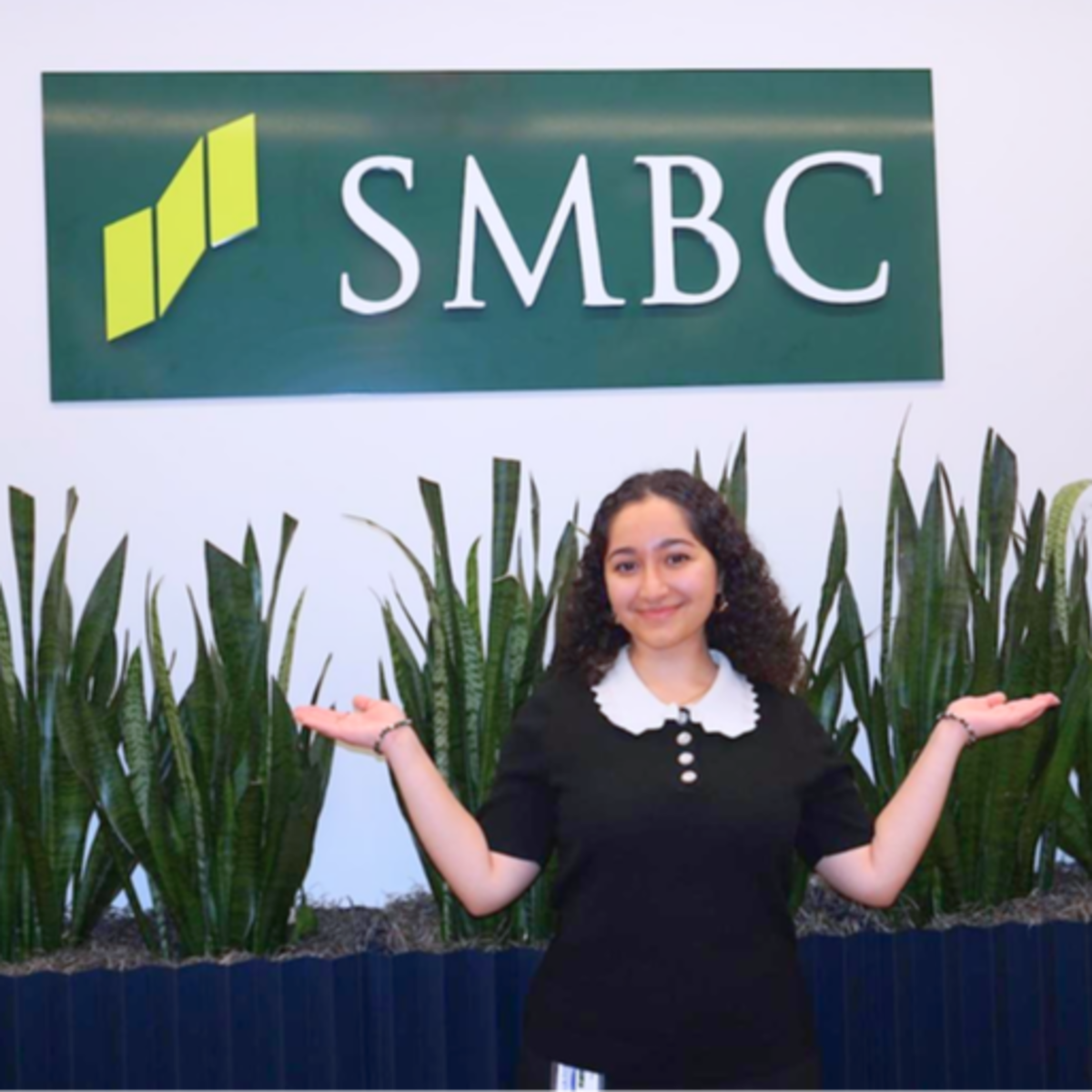
Noor Kanaan '27
Program: Computer Science, School of Computing + Quantitative Finance, School of Business
Internship/Co-operative: SMBC Capital Markets
A few weeks into her internship at SMBC Capital Markets, Noor Kanaan found herself doing something she hadn't expected: deploying production software. Instead of observing from the sidelines, the Computer Science major and Quantitative Finance minor was building automation tools, monitoring systems and applications that teams relied on every day.
The experience gave Noor a firsthand look at how technology powers modern finance, from the systems traders rely on every day to the business decisions happening behind the scenes. Along the way, she helped develop tools for trading operations and earned second place in the SMBC Enterprise Architecture AI Hackathon for designing an AI-powered employee directory solution. More importantly, she discovered just how far a computer science education can take her.
What surprised Noor most wasn't the technology. It was how quickly she was trusted to contribute. Within weeks, she was building and deploying production software, gaining the confidence to make technical decisions and see their impact firsthand. The experience reinforced a lesson she'll carry forward: almost everything can be learned on the job when you're willing to ask questions, stay curious and keep growing.
"Don't underestimate the value of internships at financial institutions if you are interested in technology. Interning at a bank gives you real exposure to trading systems and enterprise tools while building things that people actually use across the firm. So, apply early, network genuinely, and ask as many questions as possible," says Noor.
Who Benefits, Who Pays?
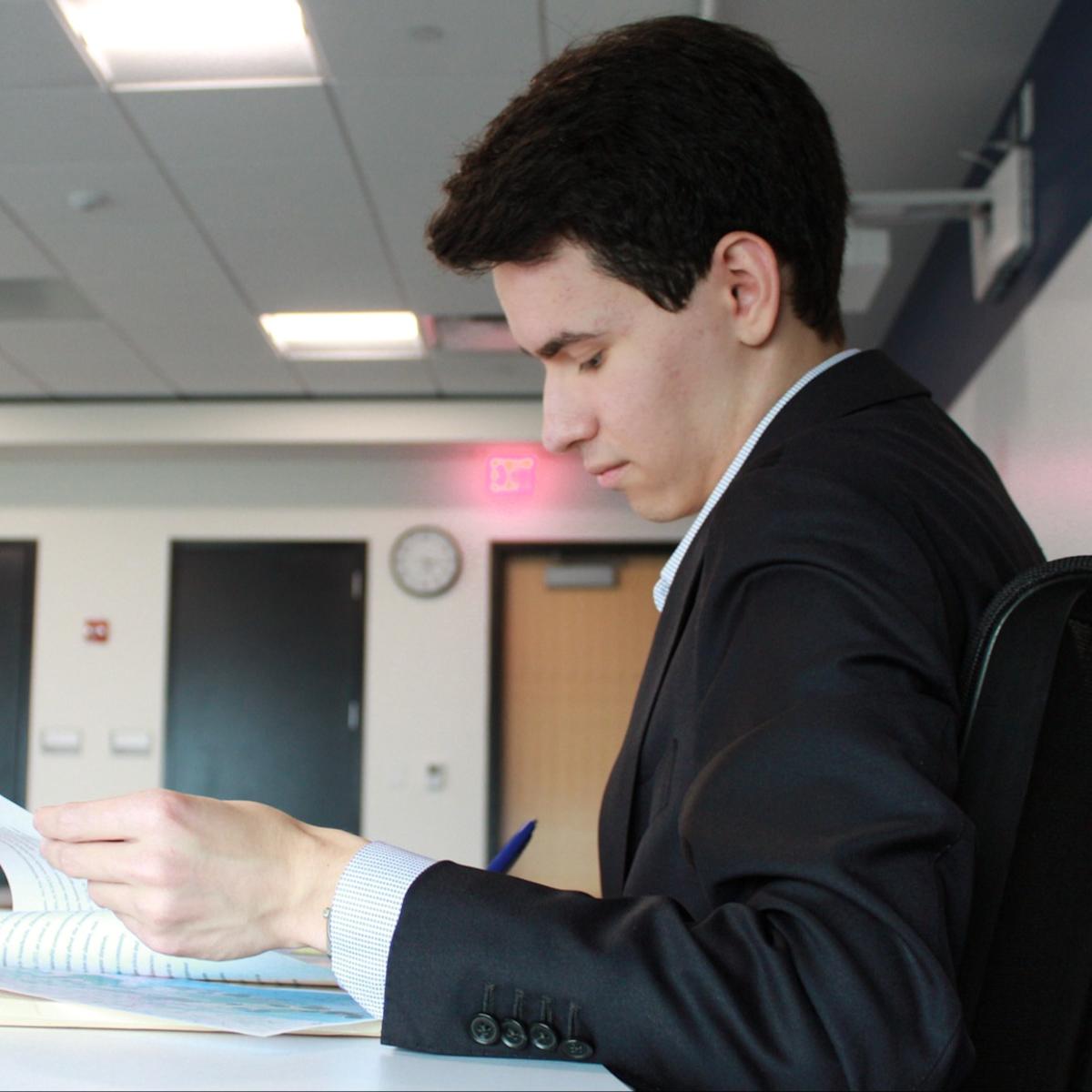
Justin Safner '28
Program: Economics, School of Business
Internship/Co-operative: PSEG Scholars for Environmental Justice
Every infrastructure project promises progress. This summer, Justin Safner set out to understand who experiences it.
As a PSEG Scholar for Environmental Justice, via the Stevens Center for Sustainability, Justin worked with mentors from Princeton University's School of Public and International Affairs to examine how federal infrastructure investments affect New Jersey's overburdened communities. Using GIS mapping and spatial analysis, he helped analyze how factors such as income, language barriers and demographics influence where the costs and benefits of major projects are felt.
While infrastructure investments can create jobs and economic growth, they can also bring noise, disruption and environmental impacts that often fall on communities already facing significant challenges. As an economics student, Justin saw firsthand how policy decisions shape everyday lives and why equity must be part of the conversation.
"[I] find myself returning to campus with renewed purpose, and a better perspective of those in our shared community, and how the headlines we read impact real people each and every day," Justin says.
The project left him with a question he expects to carry long after the research ends: who benefits, and who bears the burden? It's a question that will continue to shape how he thinks about economics, policy and the communities affected by both, including the ones he sees every day in Hoboken.
Teaching AI to Think Before It Acts
Zihan Sun '27
Program: Computer Engineering, Schaefer School of Engineering and Science
Internship/Co-operative: Pinnacle Scholars Summer Research Program
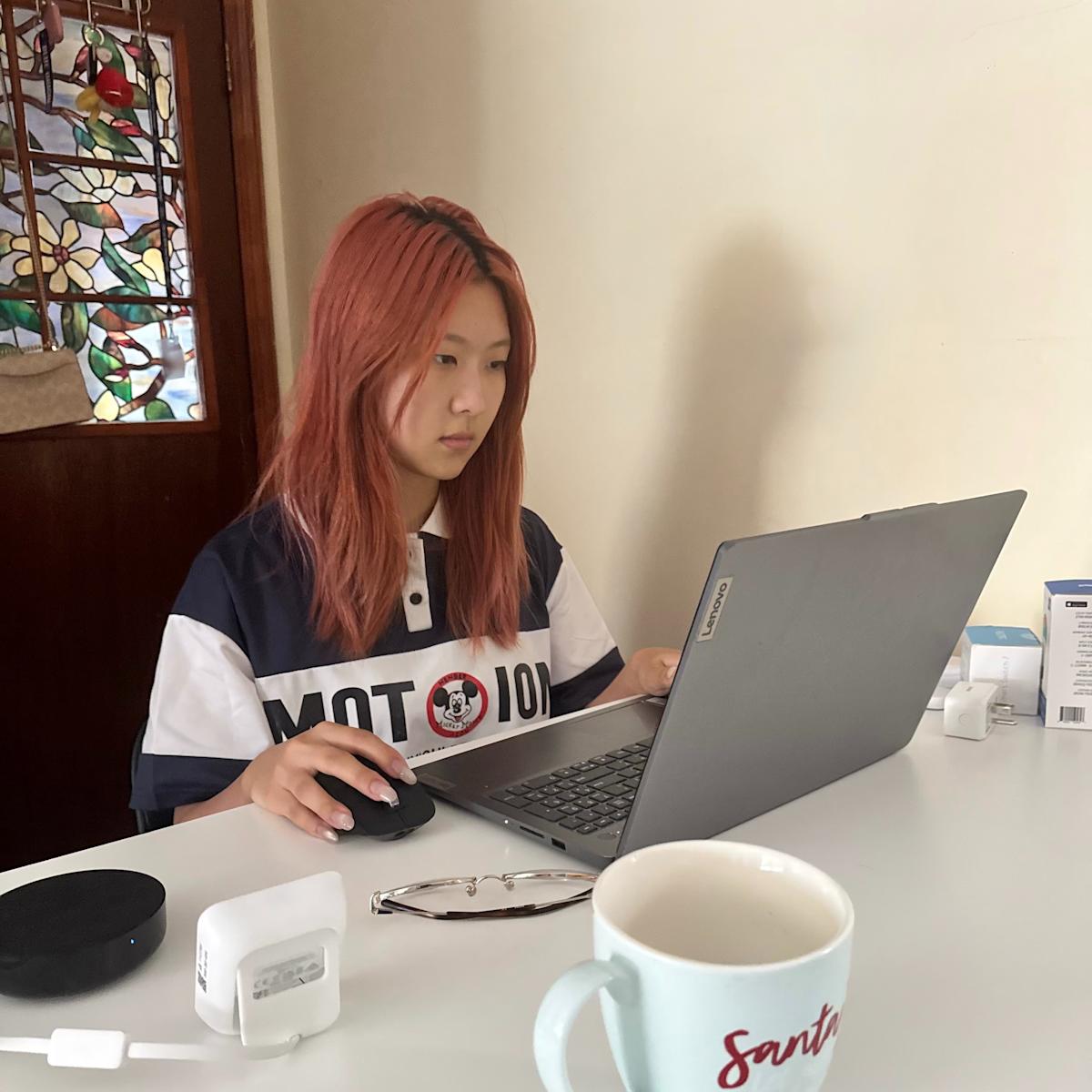
While many people think of AI as a tool for finding answers, Zihan Sun spent the summer learning how many questions still require a human touch. Through the Pinnacle Summer Research Program, she worked on a smart-home security project, testing how AI agents interact with connected devices and evaluating the decisions they made along the way.
"I was surprised by how effectively AI tools could support and accelerate the research process. AI helped me understand unfamiliar concepts, troubleshoot programming issues, and check my work during the validation process," Zihan observed.
The research introduced her to the challenges of open-ended problem-solving, where there isn't always a clear roadmap or a single right solution. It also showed her that successful projects depend on more than technical skills. Weekly progress presentations became one of her most valuable tools, helping her organize priorities, communicate challenges and navigate problems that didn't come with clear solutions.
Working alongside intelligent systems left Zihan with an unexpected takeaway: the more capable technology becomes, the more important it is to understand the people guiding it.
Beyond the Tank: Engineering in the Real World
Nelson VanMaaren '29
Program: Naval Engineering, Schaefer School of Engineering and Science
Internship/Co-operative: Pinnacle Scholars Summer Research Program - Davidson Laboratory
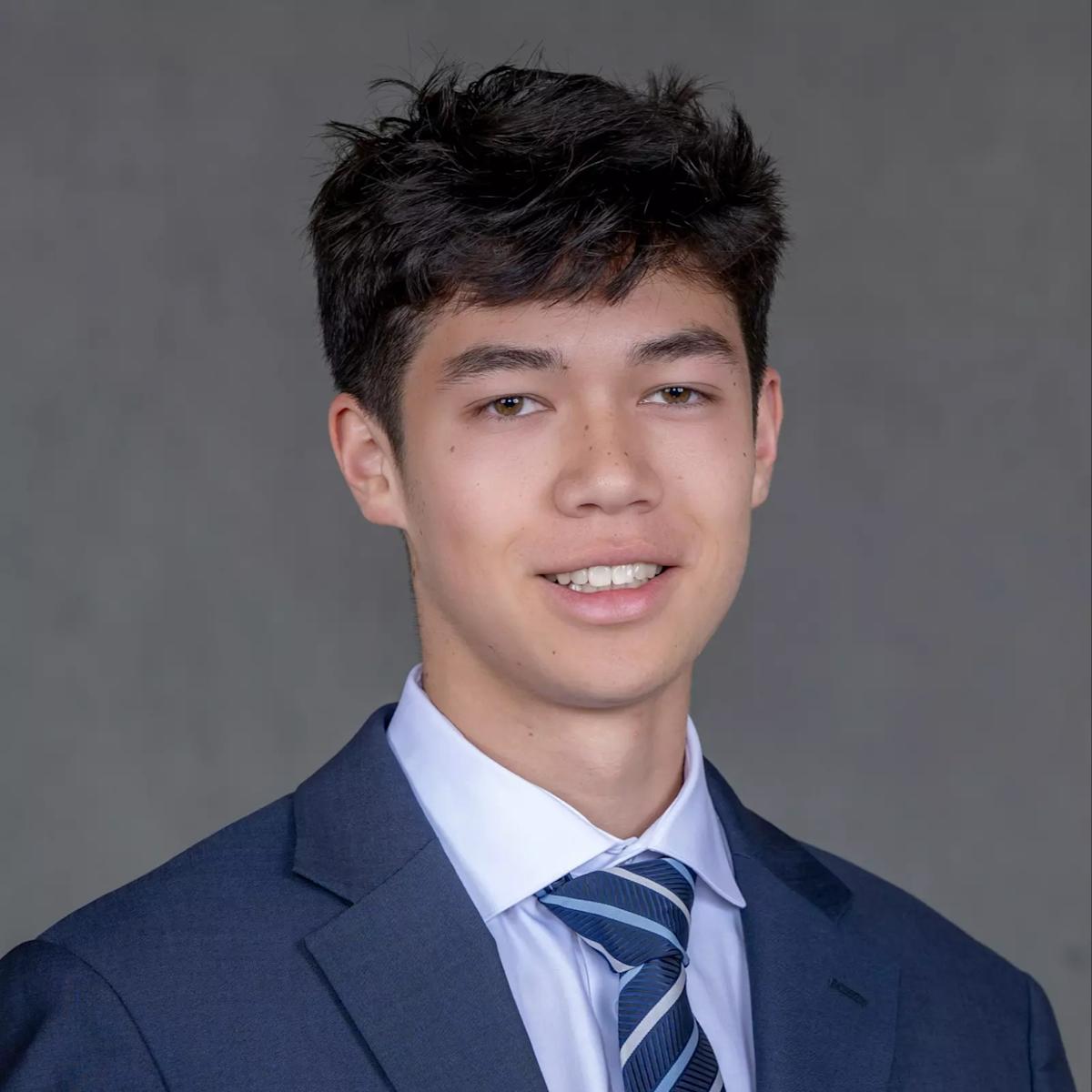
Getting Nelson VanMaaren's autonomous boat to detect an obstacle and respond on its own took plenty of trial and error, even in the controlled environment of the tank. Then came the harder part.
As Nelson put it, "Don't expect everything to work the first time. The field testing is where you learn the most."
As a Naval Engineering student working at Stevens' Davidson Laboratory, Nelson spent the summer integrating a scanning sonar system onto an autonomous surface vessel and testing it on the Hackensack River. While the system performed well in controlled tank experiments, real-world conditions quickly introduced new challenges, from tidal currents and debris to overheating electronics and unexpected sonar returns.
The experience taught Nelson that engineering is rarely about getting something to work once. It's about making it work when conditions change and problems appear that no one anticipated. Just as valuable was the support he received from mentors Jeffrey Basti and Research Associate Professor Raju Datla, as well as engineers at Blue Robotics who helped him troubleshoot challenges along the way.
The river ultimately taught Nelson something the lab never could: success isn't measured by whether a system works under ideal conditions. It's measured by how it responds when the unexpected happens.
Explore our undergraduate research opportunities: