Beyond AI literacy: The vision behind Stevens' AiBC community
What if artificial intelligence could help people not only find meaningful careers, but also create their own opportunities, lower barriers to innovation and pursue work with greater purpose?
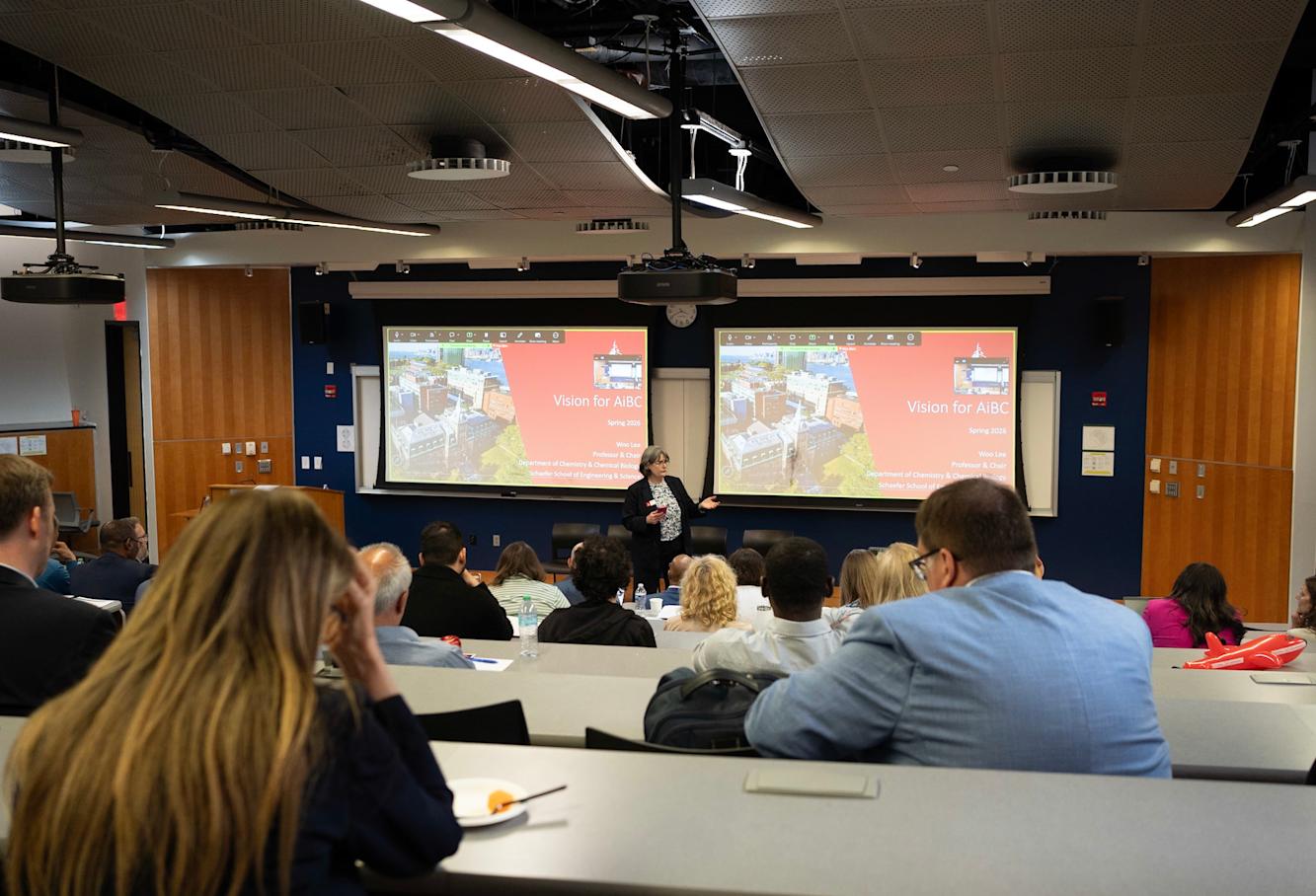
 When Professor Woo Lee first began bringing alumni into introductory biology and chemistry classes nearly five years ago, artificial intelligence wasn't the focus.
The goal was much simpler: help first-year students see themselves in careers they may never have considered.
"We started out as a career exploration project," said Lee, professor and chair of the Department of Chemistry and Chemical Biology, part of the Schaefer School of Engineering and Science.
"We wanted to bring the community together and have our alumni and friends come talk to our students about what they do."
What began as a small initiative has evolved into the AiBC Community (Ai for Biology and Chemistry), a growing network of faculty, alumni, industry professionals and students exploring how artificial intelligence can strengthen — not replace — the human relationships at the heart of STEM education.
Shaping career exploration into scientific identity
Long before generative AI became a household topic, Lee noticed many students entered college with only a vague understanding of the careers available to biology and chemistry graduates. Rather than asking how students could simply use AI, faculty began asking a broader question: How can AI help students become more confident scientists?
"We have all our alumni and friends come to our students, talk about what they do," Lee said. "These are 18-, 19-year-old kids."
Students discovered careers they had never imagined, from biotechnology and dentistry to intellectual property law, and began to picture themselves in those roles. "Four years ago, not a single CCB student enrolled in dental school. Recently, I looked at our most recent placement data...now we have four students from our department going to dental school,” Lee said.
Teaching Professor and Stevens Distinguished Teacher-Mentor Patricia Muisener, who led the Career Development part of the initiative, saw the same need from inside the classroom.
"One thing that we emphasized was having the career role models speak about AI and the impacts of AI on their career, how they see it being used five years from now, the long-term effects of AI and best practices," Muisener said.
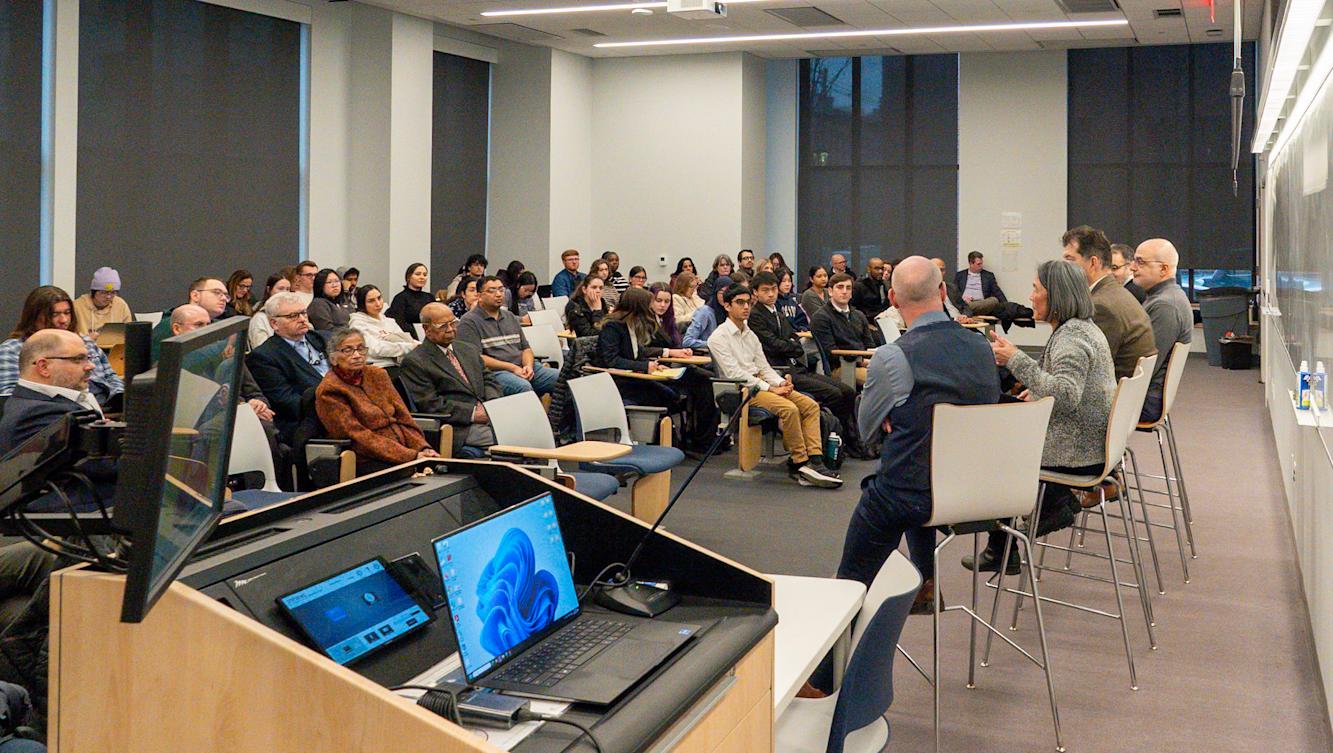
 Working with Lee, she helped develop the department's first-year seminar, Diverse Career Pathways, which brought physicians, dentists, environmental engineers, business leaders and other professionals into the classroom as career role models.
In the seminar, Muisener stressed that implementing AI early is as much about discernment as technology.
Through teaching General Chemistry, Muisener knows students have to be able to apply the foundations to solve problems on their own to truly learn, rather than outsourcing problem solving to AI. However, she sees the technology as a powerful tool, when paired with critical thinking and scientific judgment.
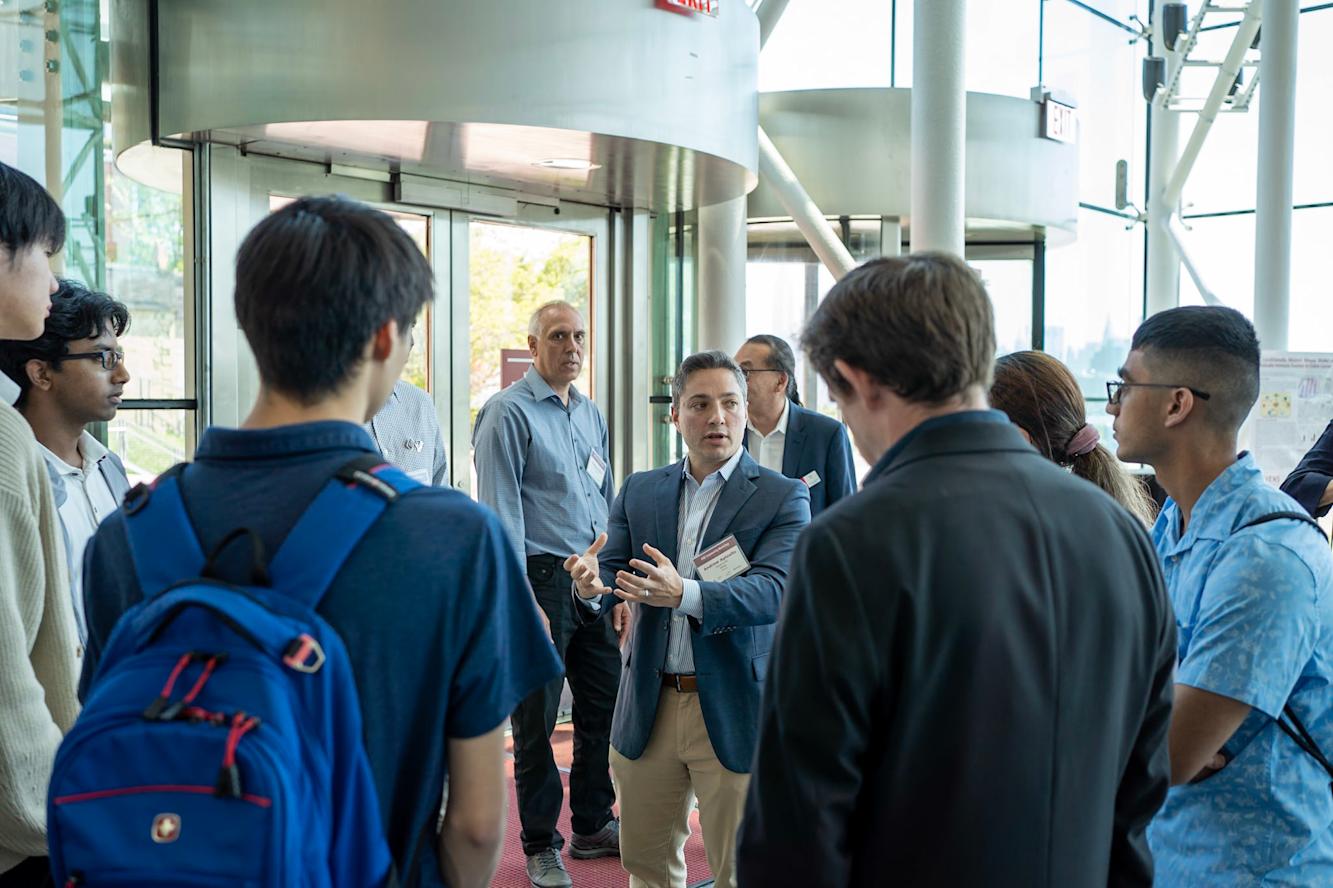
The program soon evolved beyond guest lectures. Students began interacting with professionals one-on-one and through virtual sessions, allowing them to build genuine mentoring relationships rather than simply hear career presentations. Muisener and team added Hudson County Community College students into the program in Fall 2025 through a two year NSF IUSE ICT grant, and they plan to incorporate 30 students in the course this coming Fall.
For Lee, the most meaningful outcomes cannot be measured by grades alone. Traditional metrics remain important, he said, but they don't fully capture qualities such as curiosity, resilience, teamwork and creativity—i.e. the traits that will always define what it means to be human with an inherent drive to connect and to innovate, and qualities that employers increasingly value in an AI-enabled workforce.
"What we say these students are validated for, it's not a GPA," Lee said. "It measures what, as a human, as a student, they are capable of doing that a computer cannot."
The case for human connection
Across higher education, AI conversations often revolve around chatbots, prompts and productivity. AiBC takes a different approach, using AI to support authentic scientific inquiry while emphasizing critical thinking and collaboration.
"It's an AI-augmented learning environment," Lee said. "It's community-based, human-centered."
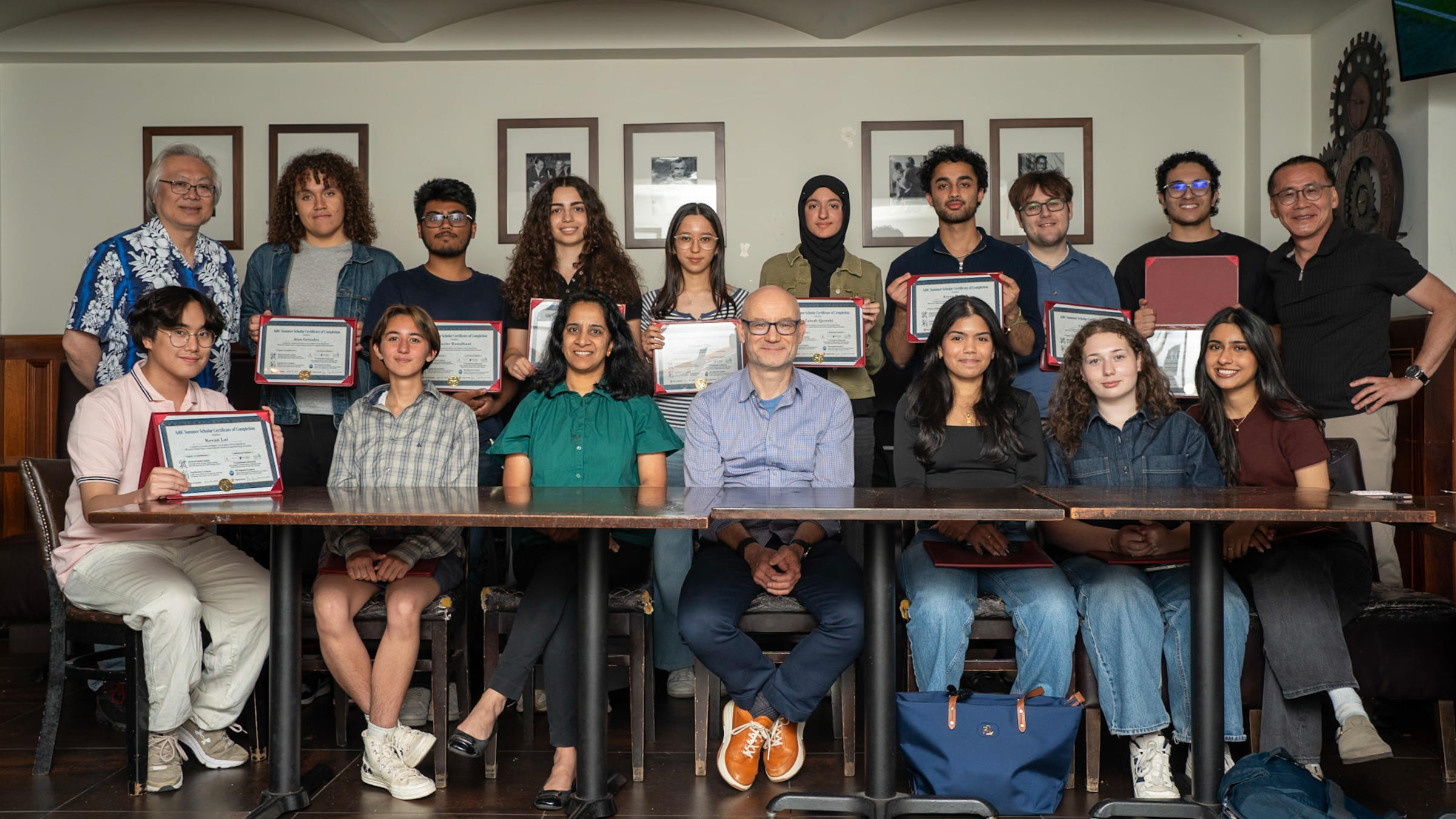
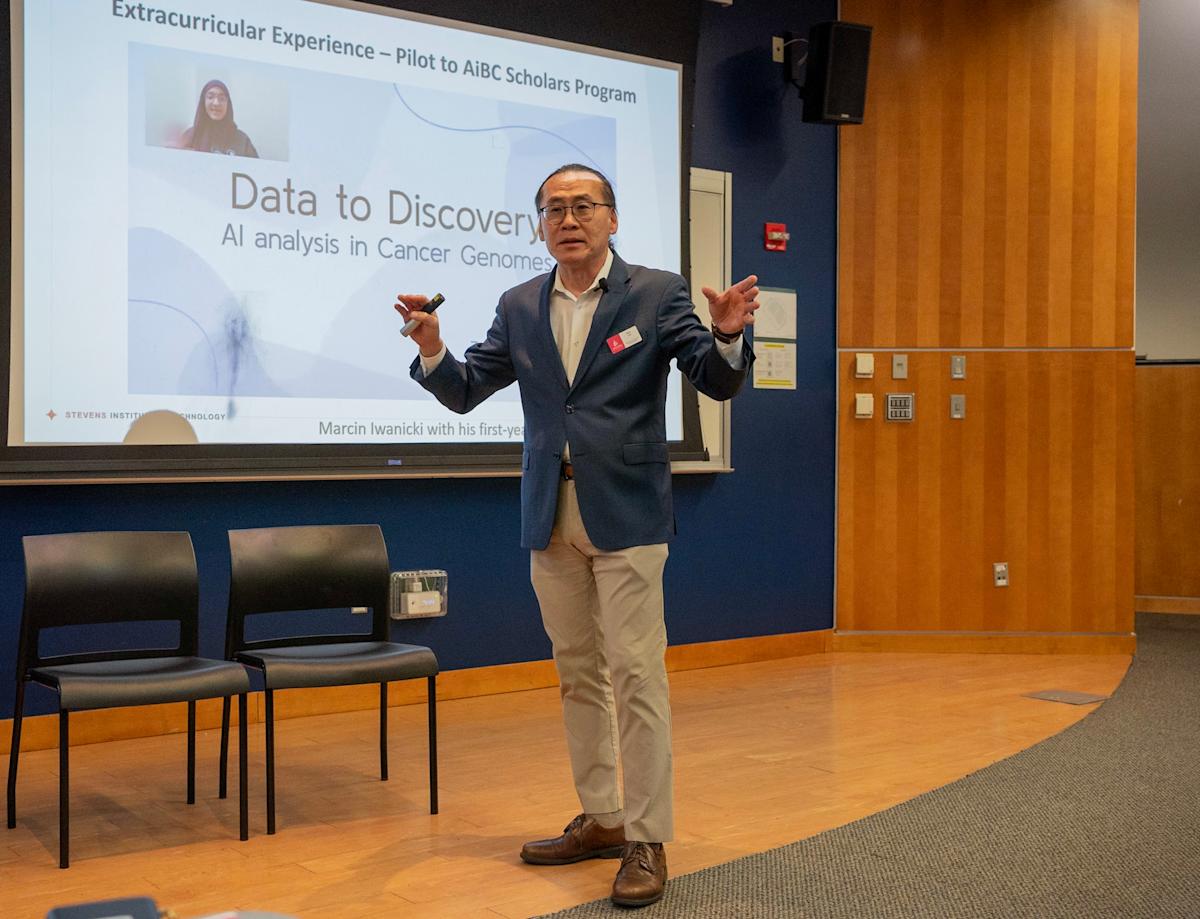
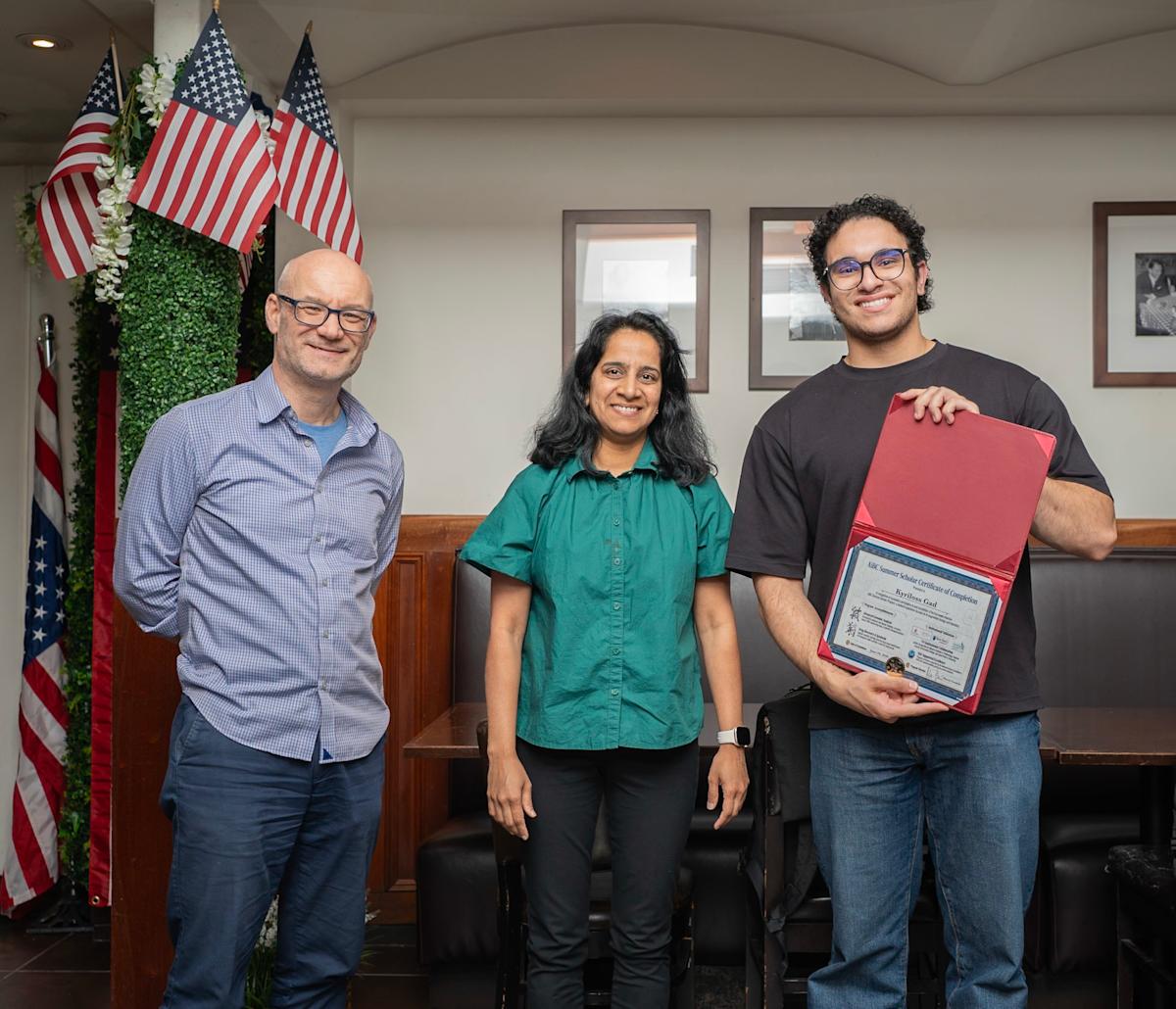
Stevens Teaching Associate Professor, Marcin Iwanicki, led the development of the 2026 summer AiBC Scholars program, the first successful run of a month-long immersive data analysis experience. He explains how this new educational model that he developed with Senior Lecturer Sesha Sridevi Alluri and Teaching Associate Professor Sunil Paliwal in consultation with Lee and Muisener isn’t just a novel way of teaching AI tools, but the seed of a much larger goal.
 The initiative aims to bring higher ed back to its ancient roots, the original academies that emphasized one-on-one learning and inspired dialogue between student and teacher that contributed ideas to a larger community of thinkers, as well as providing students with tools that will allow them to self-direct their professional life more than ever before.
"It's a grassroots movement," said Iwanicki. "The idea is to involve as many people from industry as possible and co-train students not just on the tools, but on what's really important in those workplaces."
Instead of waiting until graduation to connect students with employers, Iwanicki believes education should expose students to real scientific work from the beginning of their undergraduate studies, including opportunities to engage with practicing scientists.
"My role was basically to infuse AI tools into data analysis that's traditionally been reserved for Ph.D. students and postdoctoral fellows," he said. "Now, with the appropriate tools and instruction, students can begin doing that work much earlier."
When AI agents create professional agency
But a tool is only as good as the human who uses it. Iwanicki and his colleagues emphasize that the initiative at its core encourages relationships, conversations and creativity during undergraduate training to help spark what should always be at the root of any scientific endeavor: rigorous interpretation of data . With the addition of mentorship, and opportunities to direct their own research, students may soon enter a new kind of STEM ecosystem—one in which their mastery of the latest tools combined with the engaged support of mentors helped create new technologies.
“We want to teach these students what life actually looks like after college," he said. "Can these students develop their own research projects, and in some cases even create their own jobs?"
The program's inaugural AiBC Scholars summer research experience and accompanying faculty workshop were recently featured by Inside Higher Ed, which highlighted their emphasis on preparing students for AI-enabled careers.
With philanthropic support from Stevens UPTAM alumni, the initiative includes students from Stevens, Hudson County Community College and Saint Peter's University who worked together on interdisciplinary research projects using AI to investigate real scientific questions. Some teams progressed far enough to identify potential therapeutic targets and begin discussions around intellectual property and entrepreneurship — experiences typically reserved for graduate researchers.
"I've never seen anything like that before," Lee said. "These students are doing incredibly well with the program."
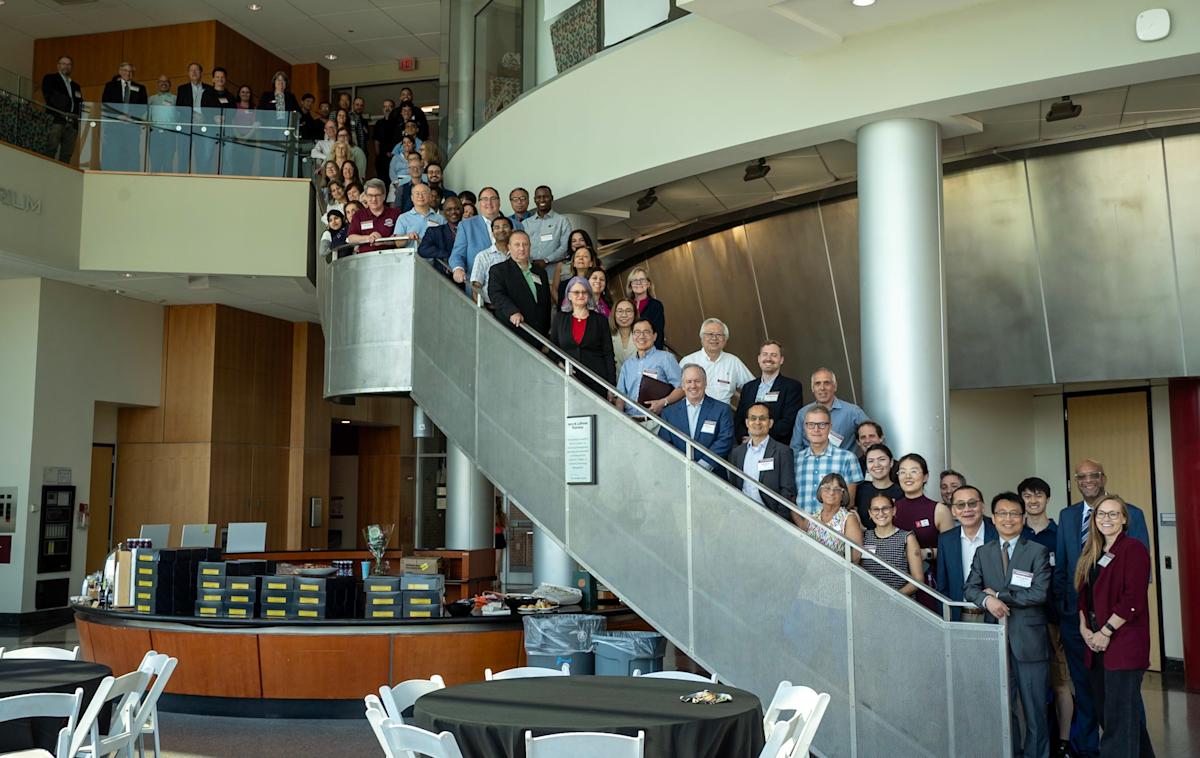
The final presentations were evaluated by biotechnology executives, venture capital representatives and an NSF program director.
“The feedback was overwhelming,” Iwanicki added. "Some of the students actually might be identifying new targets, new molecules.”
For Lee, this new model of education that empowers students to take what they’ve learned in the classroom to conducting research with mentors and fellow students in their own as well as other fields, is something that could be adopted across institutions as a growing adjunct to STEM education.
"If we can design this for this little community to be generalizable," he said, the model could help other institutions create similar learning environments. We want to create an environment that encourages students, faculty and partners to form a collaborative, transdisciplinary community."
Looking forward, a more accessible education
As AI continues to reshape nearly every profession, Lee believes higher education faces an important choice: chase each new technological advance or fundamentally rethink how students learn. "I think higher education has to change in a transformative way," he said.
Affordability, he believes, may become one of higher education's defining challenges, and ultimately one of AI's greatest opportunities. At the same time, Iwanicki, Muisener and Lee each acknowledge what can be described as the technology's central dichotomy. AI can dramatically expand access to knowledge and accelerate learning, but universities must be equally intentional about preserving the human relationships that inspire creativity, purpose and discovery.
For Iwanicki, the shift goes even further.
He believes AI is lowering barriers that once limited sophisticated research to graduate students and specialized laboratories, allowing undergraduates to explore questions that previously would have seemed out of reach.
"I think five to ten years from now, education is going to change tremendously," observes Iwanicki, who believes AI will increasingly empower students to test ideas, launch ventures and solve problems that matter to them personally – rather than preparing students only to enter existing careers.
For Muisener, one of the most exciting parts of the program is that it keeps human relationships at the front and center: “The mentors took initiative and really enjoyed it, which is critical. Also, during the AiBC workshop, there were a lot of people that volunteered to lead sessions and to really engage. The best part was in the breaks, people didn't want to leave. They were enjoying their conversations, getting to know each other and sharing ideas.”
Together, those perspectives reflect the philosophy that has guided AiBC from the beginning: technology should expand human potential, not replace it. Lee believes that the next generation of higher education will emphasize collaboration over competition, trans-disciplinary research over siloed disciplines, and purpose over credentials alone.
"I have a hope that human ingenuity will always come from people coming together and doing something new together," he said. "That's the backbone of the future education that we need to preserve."
Learn more about academic programs and research in the Department of Chemistry and Chemical Biology: