Stevens Pre-Health Students Turn Diverse Passions Into Powerful Healthcare Careers


Stevens-Sponsored Clinical Programs and Other Community Experiences Bring Learning to Life
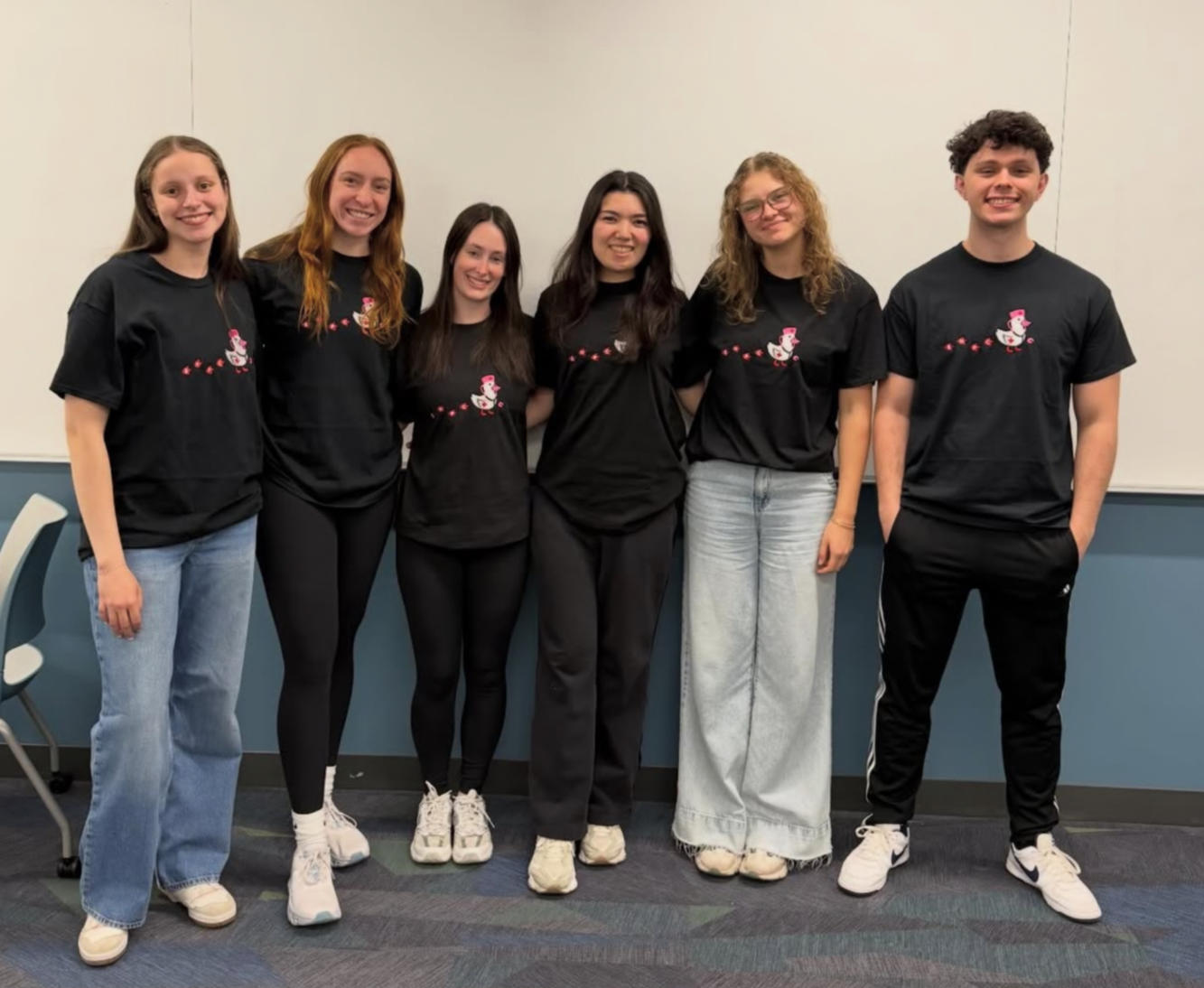
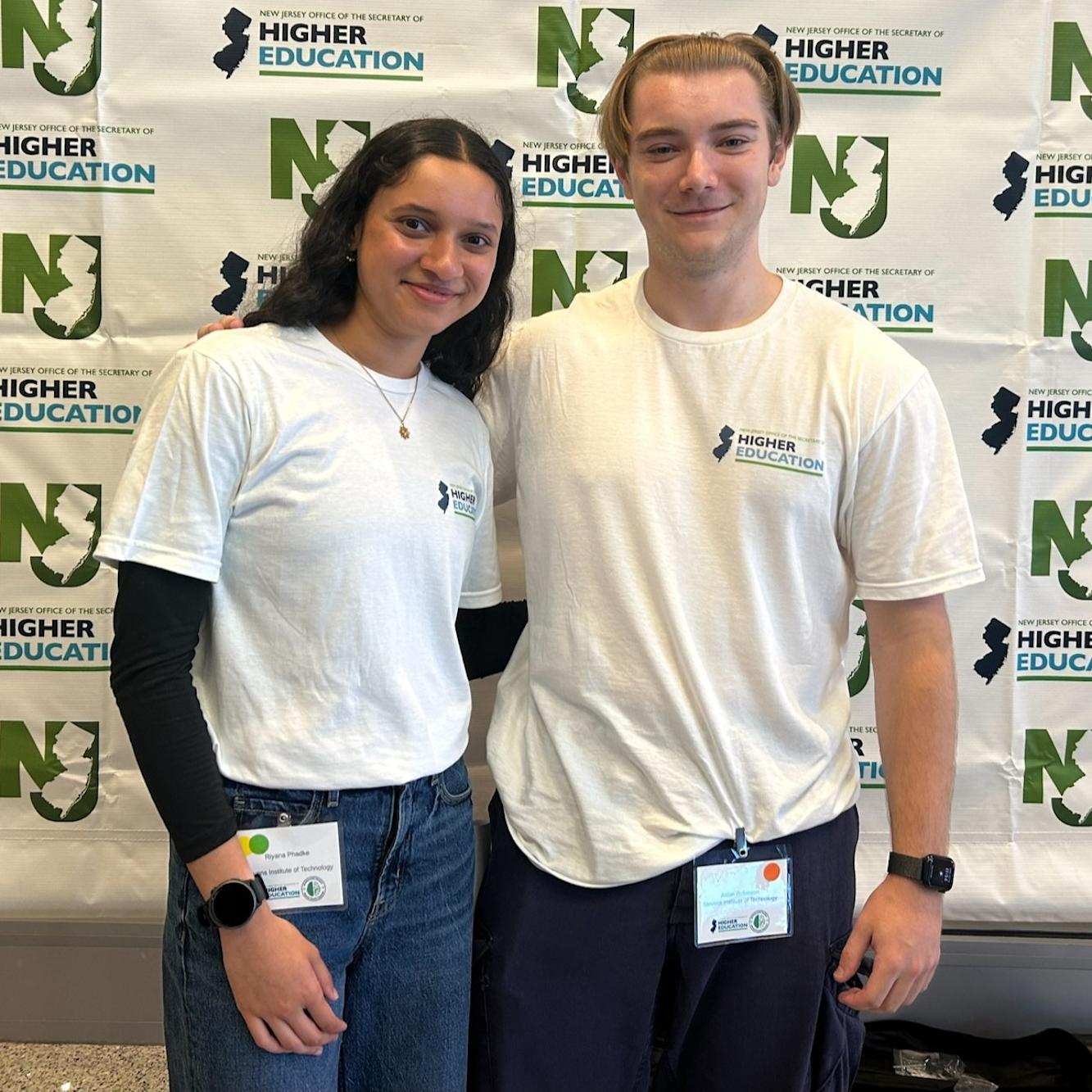
Community engagement is fundamental to the Stevens pre-health experience.
“Stevens pre-health students have strong leadership, interpersonal and communication skills and a clear ability to articulate experiences and motivations,” Muisener said. “They are also actively involved in the community through a variety of activities.”
Students build standout portfolios by pairing strong academics and extracurriculars with real-life work programs incorporating service orientation, teamwork, ethical responsibility, reliability, cultural humility, communication and leadership. These experiences showcase their strengths and help them grow.
Stevens offers students two innovative clinical experience programs, and more are being planned.
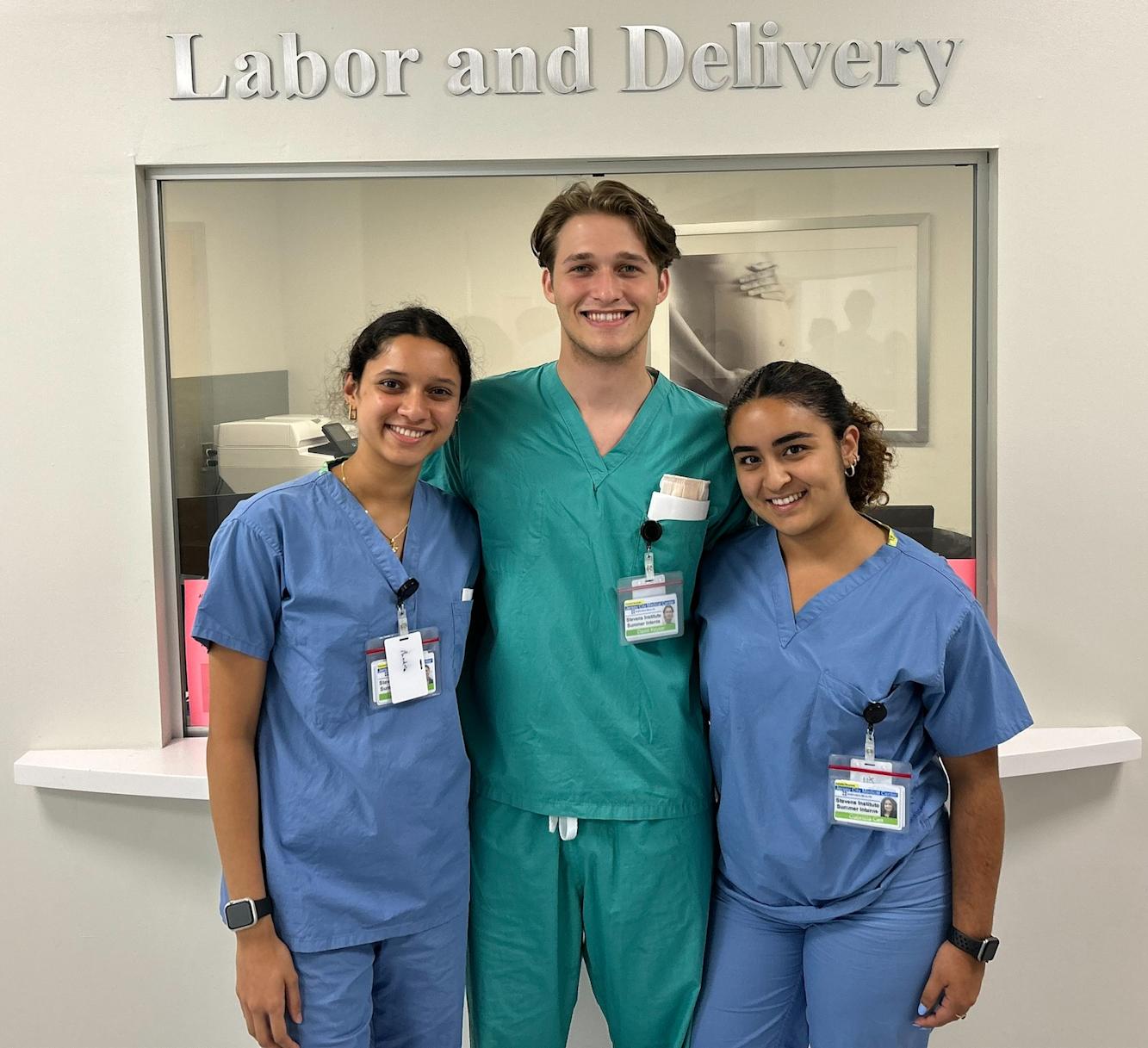
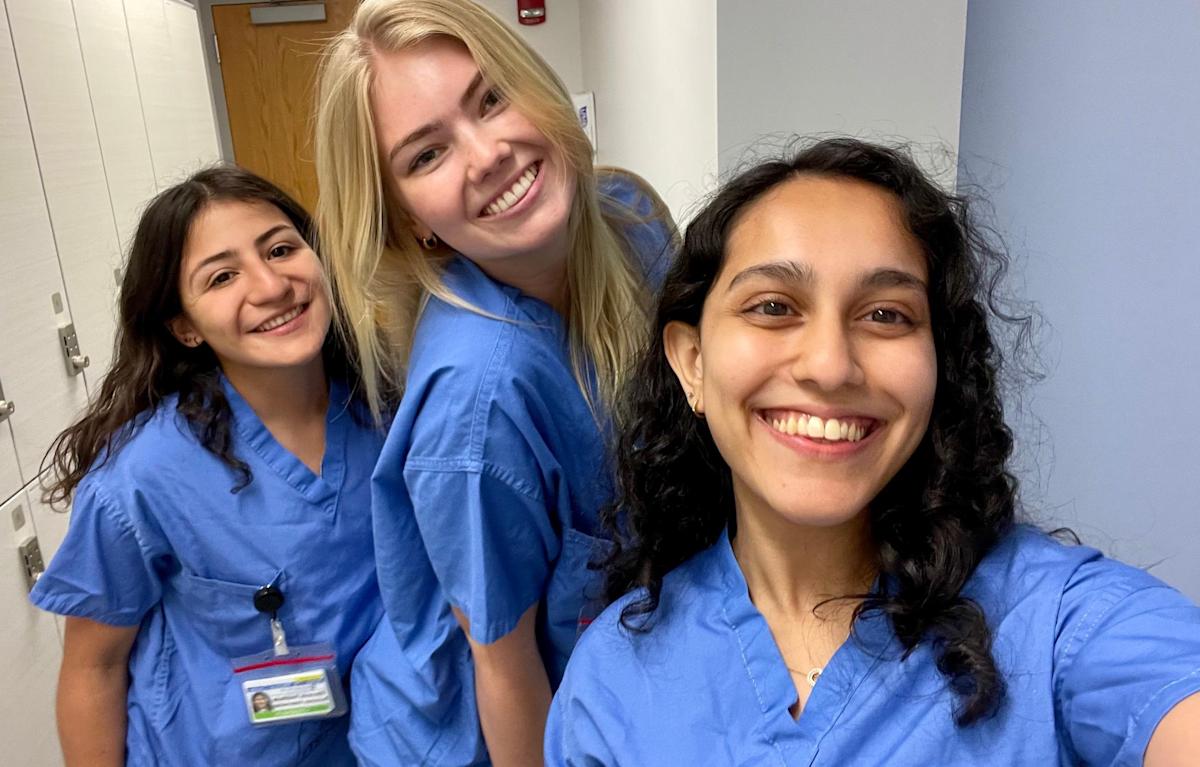 The Summer Clinical Internship (Women’s Health/OB GYN): Dr. Lance Bruck from Montefiore Einstein leads this immersive obstetrics, gynecology and women’s health summer shadowing experience, which originally ran at Jersey City Medical Center (2021–2024) and continues at Montefiore Einstein (2025–2026). Participating students spend a month shadowing doctors and other hospital staff to learn about the inner workings of hospital operations and clinical medicine.
Atlantic Health + PRV 310: This new semester-long clinical experience, affiliated with Atlantic Health, will be piloted in Fall 2026 at Atlantic Health Morristown Medical Center, and Atlantic Health Overlook Medical Center. Participating students will take PRV 310: Pre-health Clinical Experience for three credits, completing eight to 10 hours/week on site and a designated project while building professional skills and reflecting on healthcare career goals.
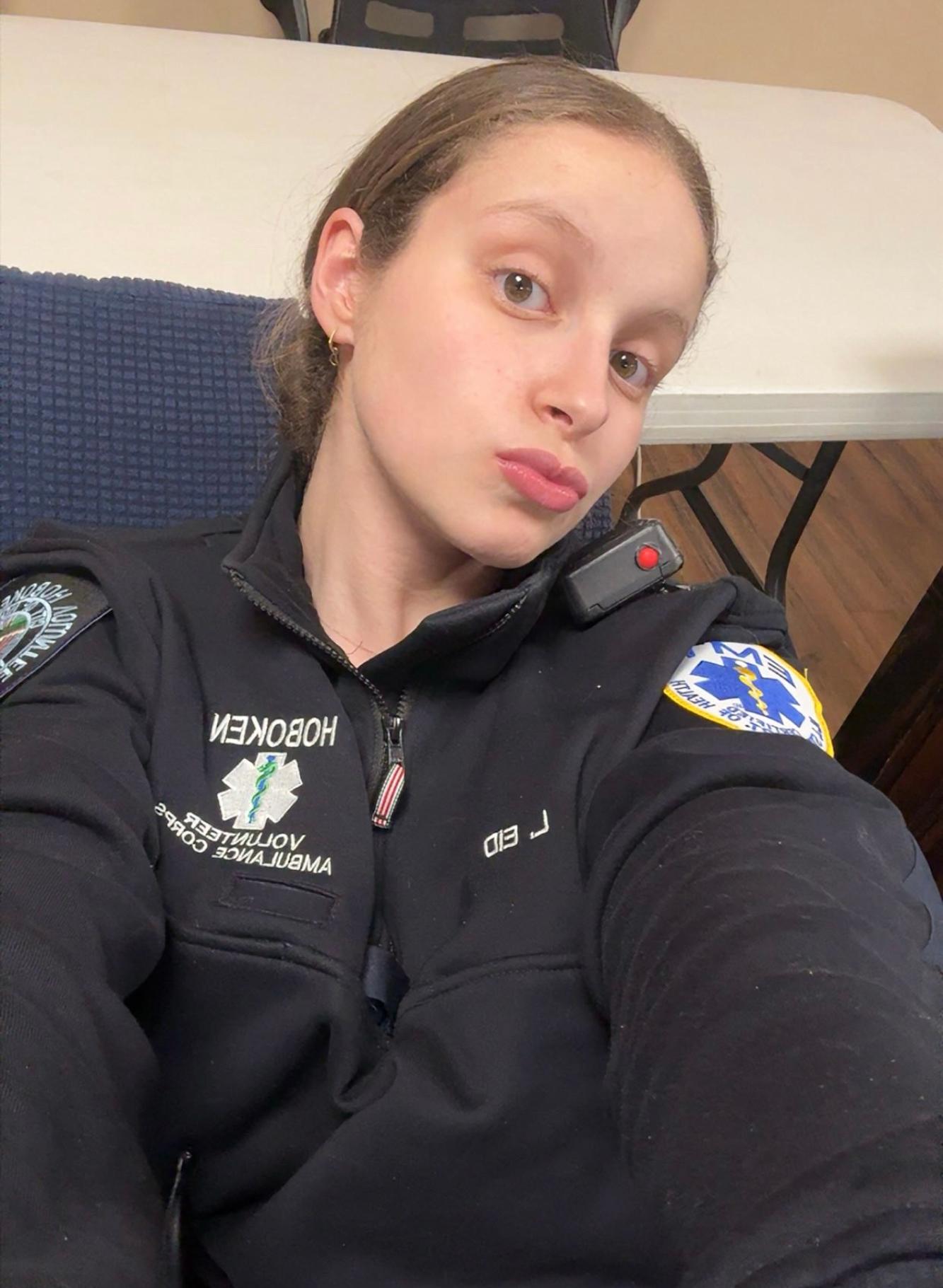
The school’s proximity to New Jersey and New York City hospitals facilitates finding placements as medical assistants, scribes and other patient care roles. Stevens pre-health students also often strengthen their preparation through volunteering as a certified EMT with the Hoboken Volunteer Ambulance Corps, or with community groups such as the Boys & Girls Club of Hoboken or the Hoboken Homeless Shelter.
Stevens Pathways to Healthcare
Backed by rigorous academics, personalized advising, clinical experience and a focus on technology inputs and patient outcomes, Stevens students are proving there is more than one path to a white coat. Here’s what four recent graduates are doing today.
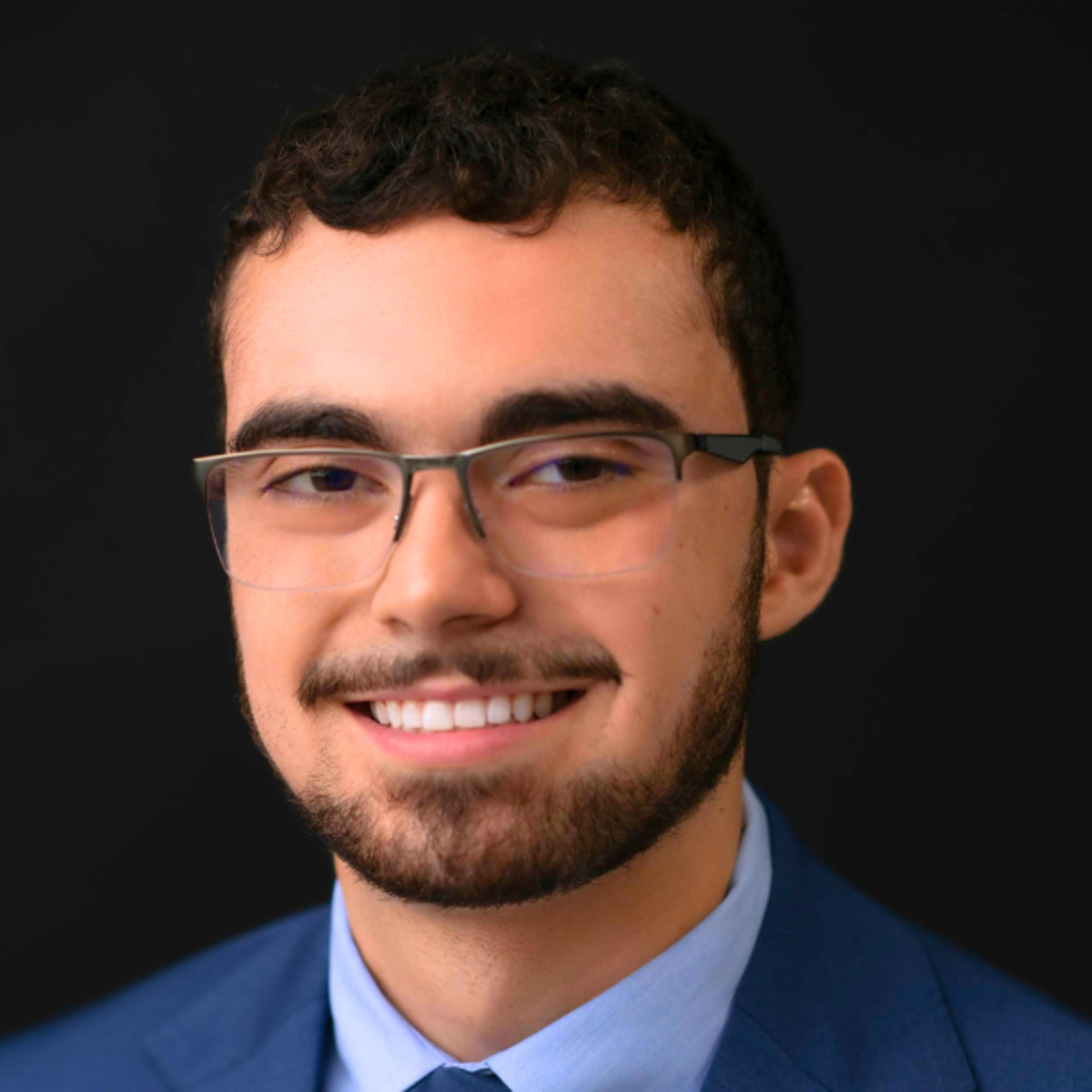 Evan Peneiras ’25: Looking Into Engineering Innovation for Medical Breakthroughs
Evan Peneiras had his eye on a career in engineering or medicine long before he got to Stevens, and he remains thankful that he didn’t have to choose just one.
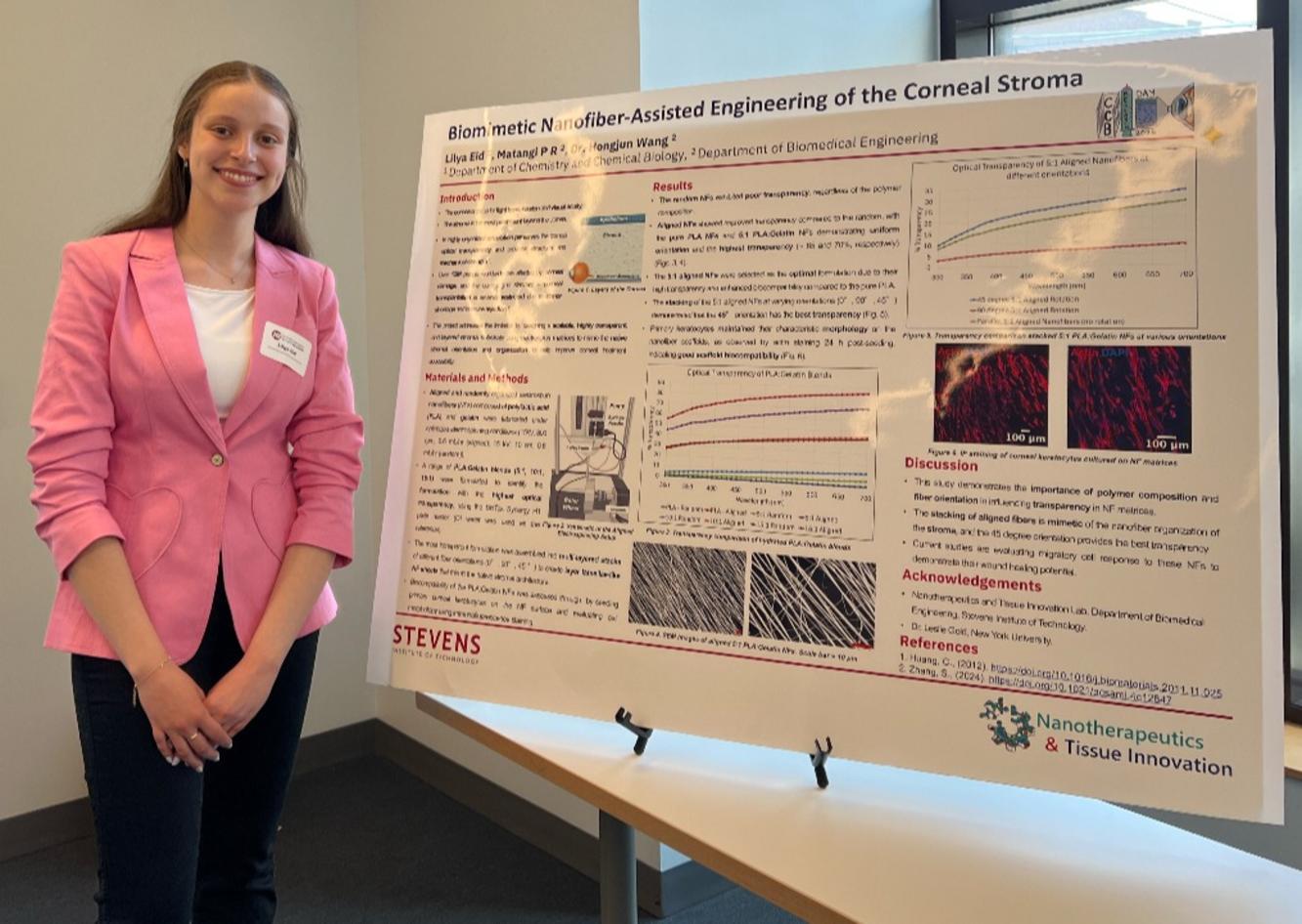
Through tissue engineering research with Hongjun Wang, professor, and a senior design project with Jennifer Kang-Mieler, professor and department chair, he saw how biomedical engineering can anchor a pre-health path.
“Stevens reinforced the idea that the most effective physicians understand not only the science of medicine, but also the technologies that shape patient care,” he said. “I saw that innovation and medicine are deeply interconnected, and engineering principles could help improve patient outcomes.”
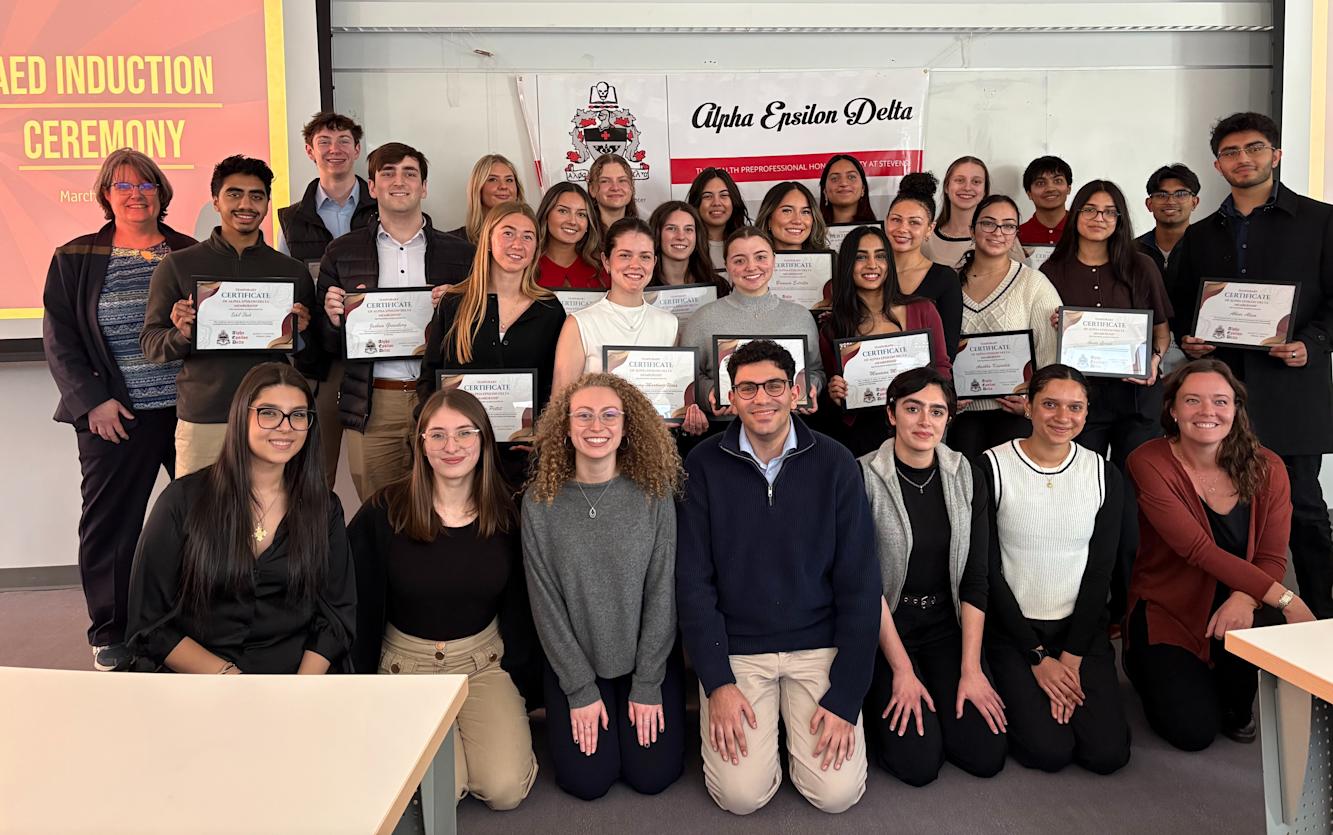
He also leaned into leadership and community — in student government, the Pinnacle Scholars Program, the Stevens Health Professions Club and Alpha Epsilon Delta — while mentors Donald Lombardi and Lindsey Swindall helped him sharpen his medical school application.
“Their feedback strengthened my application,” he said, “and contributed to a personal statement a medical school dean called ‘very well done.’”
Now at Rutgers New Jersey Medical School, he is studying medicine with an interest in ophthalmology. He also co-founded a startup developing non-invasive smart glasses to monitor intraocular pressure for glaucoma patients.
“This work has allowed me to better understand how engineering, clinical medicine and patient needs intersect in real-world innovation,” he said. “Stevens prepared me academically for medical school and encouraged me to take initiative… I hope to continue integrating clinical medicine with innovation to improve outcomes and access to care.”
 Nicole Fosko ’18: Connecting Engineering to Patient Care
Connections have been the lifeblood of Nicole Fosko’s journey to becoming an academic hospitalist at Lenox Hill Hospital in Manhattan. Her interest in medicine began with a simple desire to work with people, deepened by her grandmother’s liver transplant — which gave them eight more years together — and shaped by the bedside manner of the orthopedic surgeon who treated Fosko’s torn ACL.
Although she had planned to major in chemical biology, Fosko switched to biomedical engineering to take advantage of Stevens’ strengths.
“The most valuable thing I got from Stevens was an engineering mindset,” she said. “I learned how to think logically, break down complex problems, stay organized and communicate within a team. Patients don’t ‘read the textbook,’ and that problem-solving process is where my engineering background comes into play every day.”
In Stevens’ small, supportive environment, upperclassmen, faculty and alumni mentors helped steer her path.
“I met one of my mentors when I was asked to buy pizza for a course event,” she said. “That turned into a long-term relationship, and I’m even inviting him to my wedding. Stevens creates an environment where those connections happen.”
After Stevens, she graduated from Rutgers Robert Wood Johnson Medical School and completed her internal medicine residency at the University of Pennsylvania — where her grandmother received her transplant. Today, she treats adults with non-surgical conditions, teaches residents and medical students and stays connected to Stevens through guest lectures and senior design advising.
“I encourage students to get involved,” she said. “You never know which experiences or connections will matter. Looking back, so many small moments turned into meaningful opportunities.”
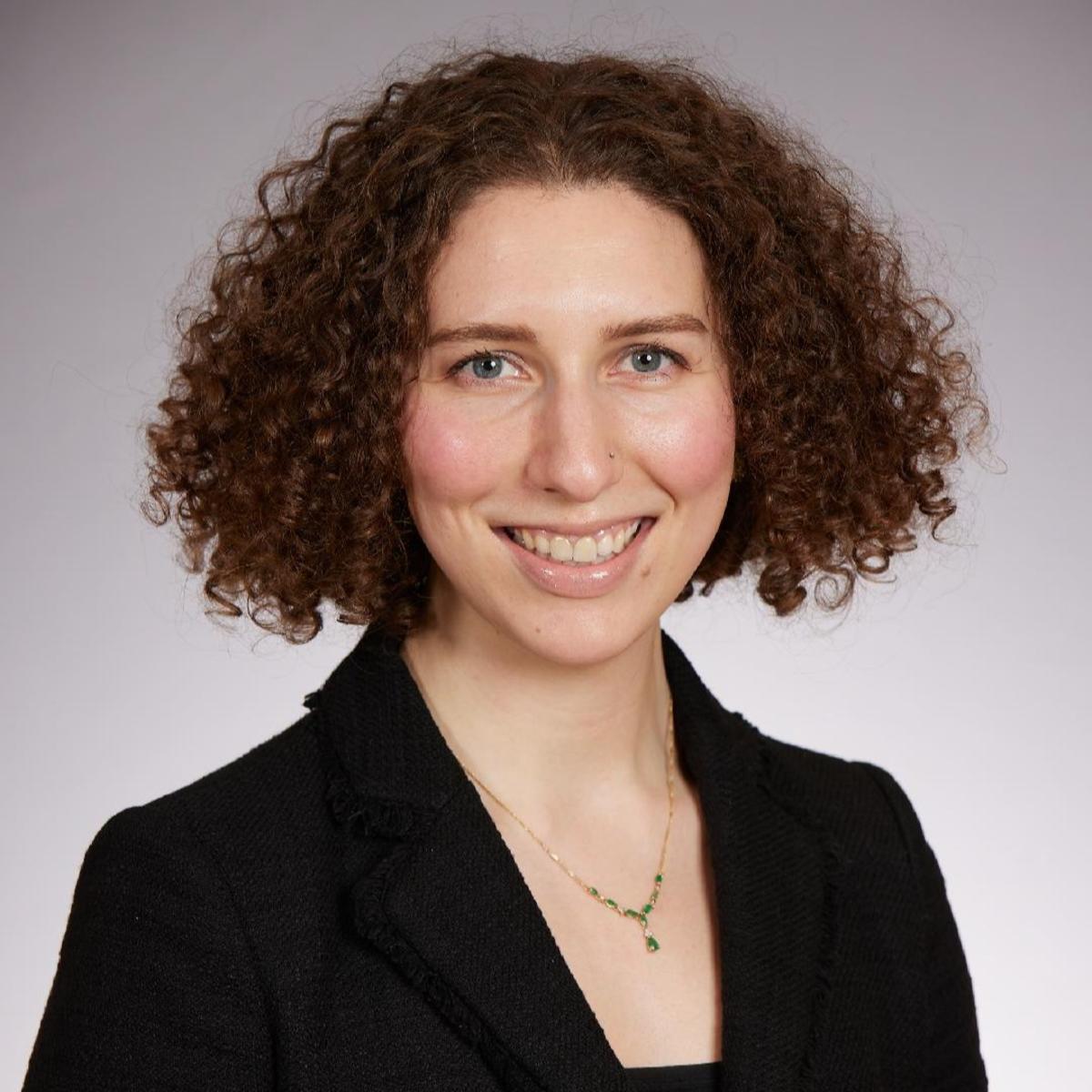 Olivia Schreiber ’18: Navigating a Nonlinear Path to Nephrology
Olivia Schreiber spent a year studying chemical engineering before she realized she was more interested in the scientific process and, ultimately, a medical career. She switched to chemical biology, minored in medical humanities and fully embraced the Stevens spirit of collaboration, curiosity and continuous learning that led her to pursue a career in nephrology, the study of the kidneys.
“I deeply enjoyed my biochemistry courses in instrumental analysis and biophysical chemistry,” Schreiber explained, “and after my father passed away from chronic complications related to end-stage kidney disease, nephrology emerged as my top interest.”
The freedom to seamlessly adjust her path was one of the things she most appreciated about her Stevens career.
“There’s no a single ‘correct’ path to medicine, and Stevens encourages exploration,” Schreiber said. “You have to pursue what genuinely interests you. Don’t simply check boxes. Follow your curiosity, build things and explore ideas. My path wasn’t linear, but those experiences strengthened my perspective.”
After completing a master’s degree in science writing at Johns Hopkins University, Schreiber earned her M.D. at Cooper Medical School of Rowan University. She is currently a second-year internal medicine resident in Boston at Beth Israel Deaconess Medical Center, a Harvard-affiliated facility.
Her plans are ambitious and diverse, including a two-year nephrology fellowship followed by a career in academic medicine where she intends to continue mentoring, writing and advocating for those with chronic kidney disease.
“Stevens produces a unique kind of student: curious, driven and invested both in being a self-directed learner and in building a better world,” Schreiber said. “That translates naturally into healthcare.”
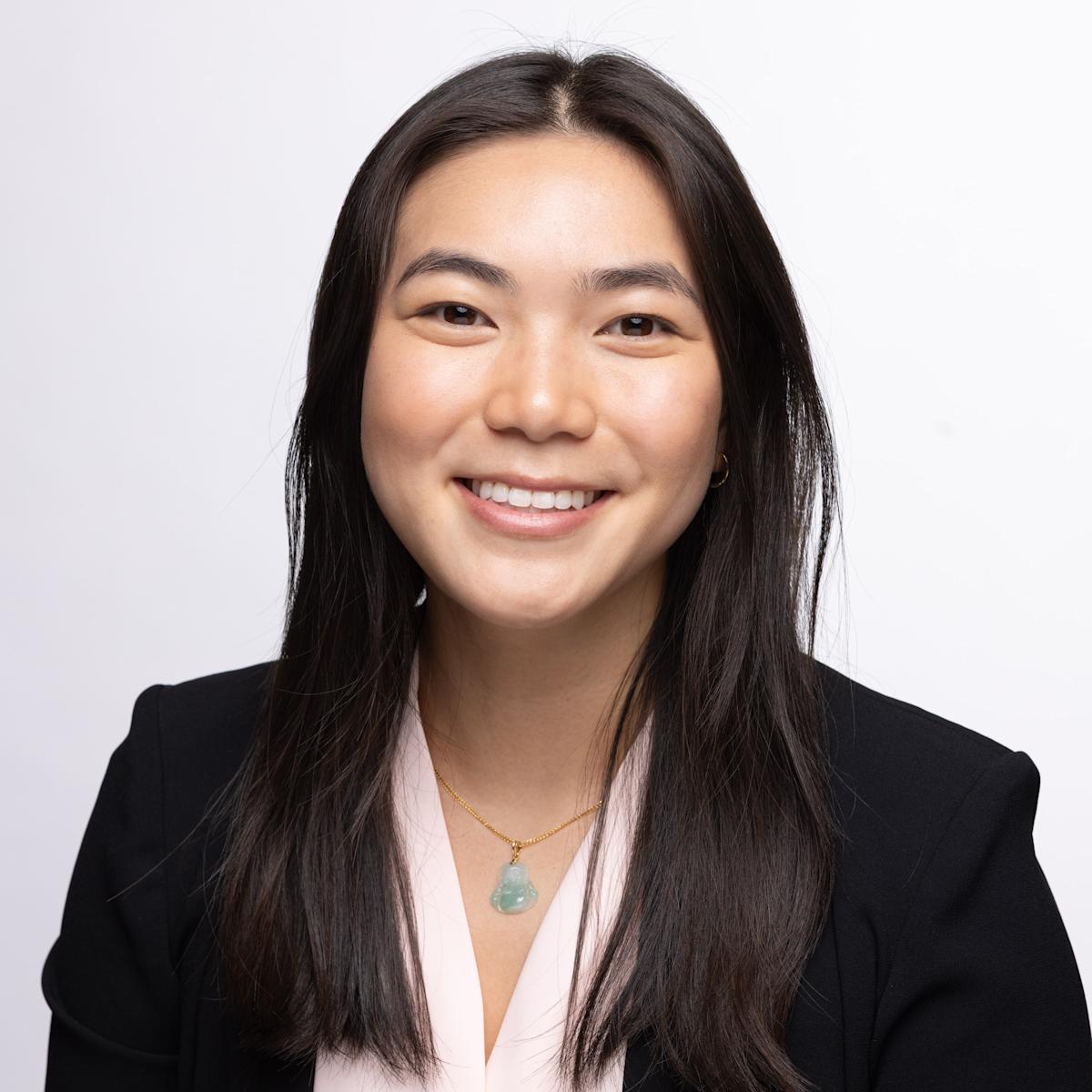 Elizabeth Chu ’22: Science and Human Connection
Elizabeth Chu knew she wanted to become a physician, but initially questioned whether a technical university was the right place to prepare.
At Stevens, she found mentorship, research opportunities and faculty support in chemical biology, while also competing as a varsity volleyball player.
“Early on, I was connected with faculty and mentors who helped guide me,” she recalled. “That support system made all the difference.”
Chu appreciated Stevens’ emphasis on research, which has helped her better understand the scientific process and think critically. What stood out most for her, though, was the accessibility of faculty. She found the Department of Chemistry and Chemical Biology full of approachable professors invested in their students. Through that mentorship, she became interested in how communication, cultural competency and emotional intelligence shape the healthcare experience.
Now completing her fourth year at Emory School of Medicine and preparing to apply for residency in urology, Chu says Stevens helped her understand that medicine is both scientific and deeply human.
“You’re meeting patients at some of the most difficult moments in their lives,” she said, “and your ability to connect with them matters just as much as your clinical knowledge. Stevens helped me build both.”
Stevens: A Strategic Choice for Future Leaders in Healthcare and Beyond
For students who want strong academics, hands-on experience and a distinguished background, Stevens offers a compelling pre-health/pre-med option. Those who choose not to continue to health professional schools often opt instead for diverse yet equally rewarding paths including biomedical engineers and biotechnology scientists.
As Muisener noted, “The Stevens pre-health program offers a uniquely powerful combination of science, healthcare leadership and healthcare-focused humanities courses; health profession advising resources; strong connections with professors and staff members; and meaningful hands-on experiences that capitalize on our students’ strengths to define and distinguish them and help them make their career in public health a reality.”
Whether through biology, chemical biology, chemistry, engineering or another discipline, Stevens students graduate with something increasingly valuable in healthcare: technical fluency, problem-solving ability and the confidence to lead in complex environments — all inspired by humanity, and powered by technology.
In Their Own Words: Pre-Health at Stevens
Hear firsthand how Stevens prepared these students for careers across the healthcare spectrum on Find Your Flock, the Stevens podcast where students and alumni tell their stories.


Learn more about academic programs and research in the Department of Chemistry and Chemical Biology: