Yong Shi Develops a Smart Guidewire for Safer, More Precise Vascular Procedures
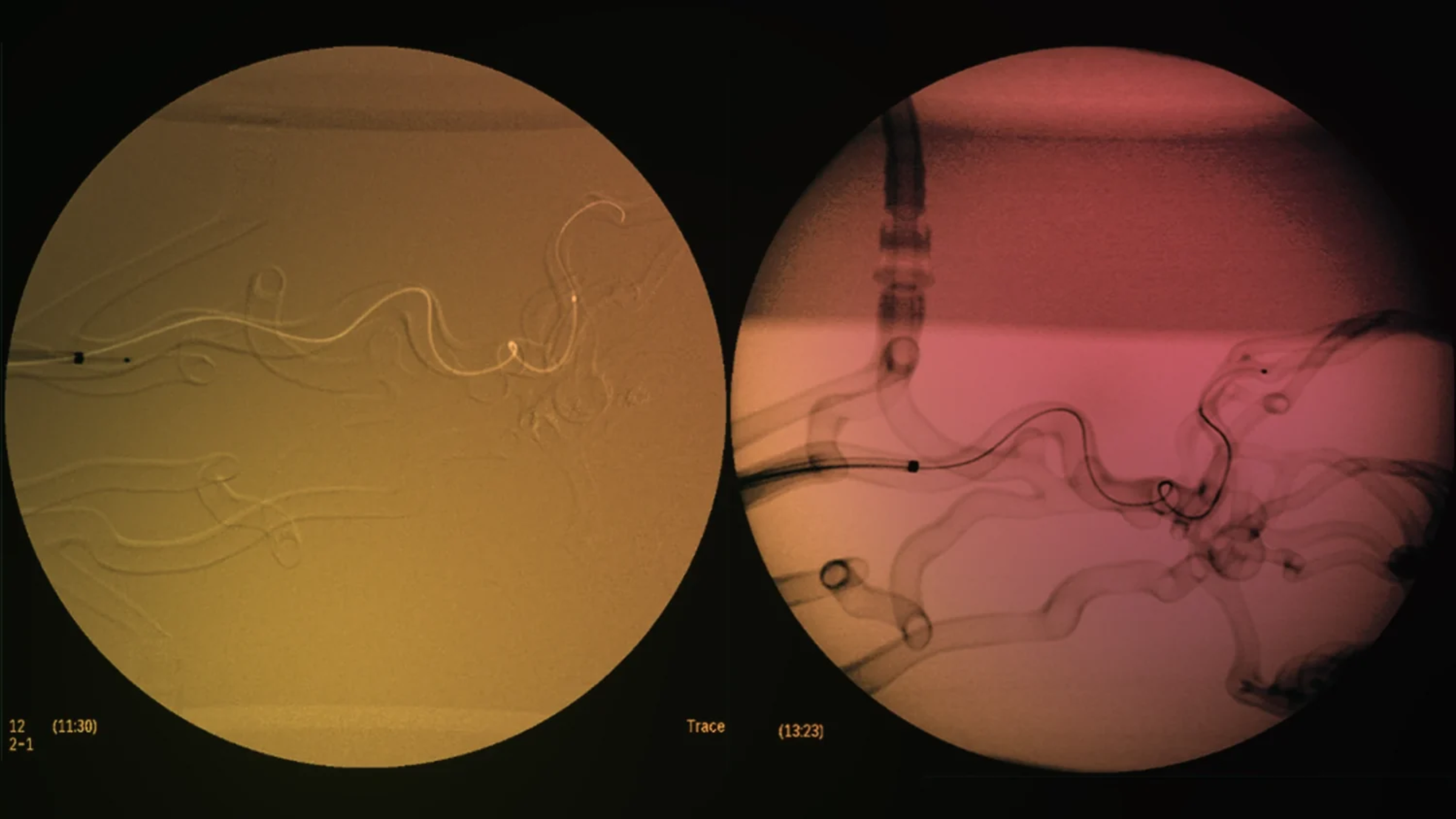
Stroke is a leading cause of death and long-term disability, and meticulously accurate treatment is vital to improving outcomes. Standard stroke treatments often rely on guiding thin wires and tubes through blood vessels deep inside the brain, but the difficulty in precisely navigating those tiny spaces and gauging pressure on the delicate infrastructure can raise the risk of failure and additional damage.
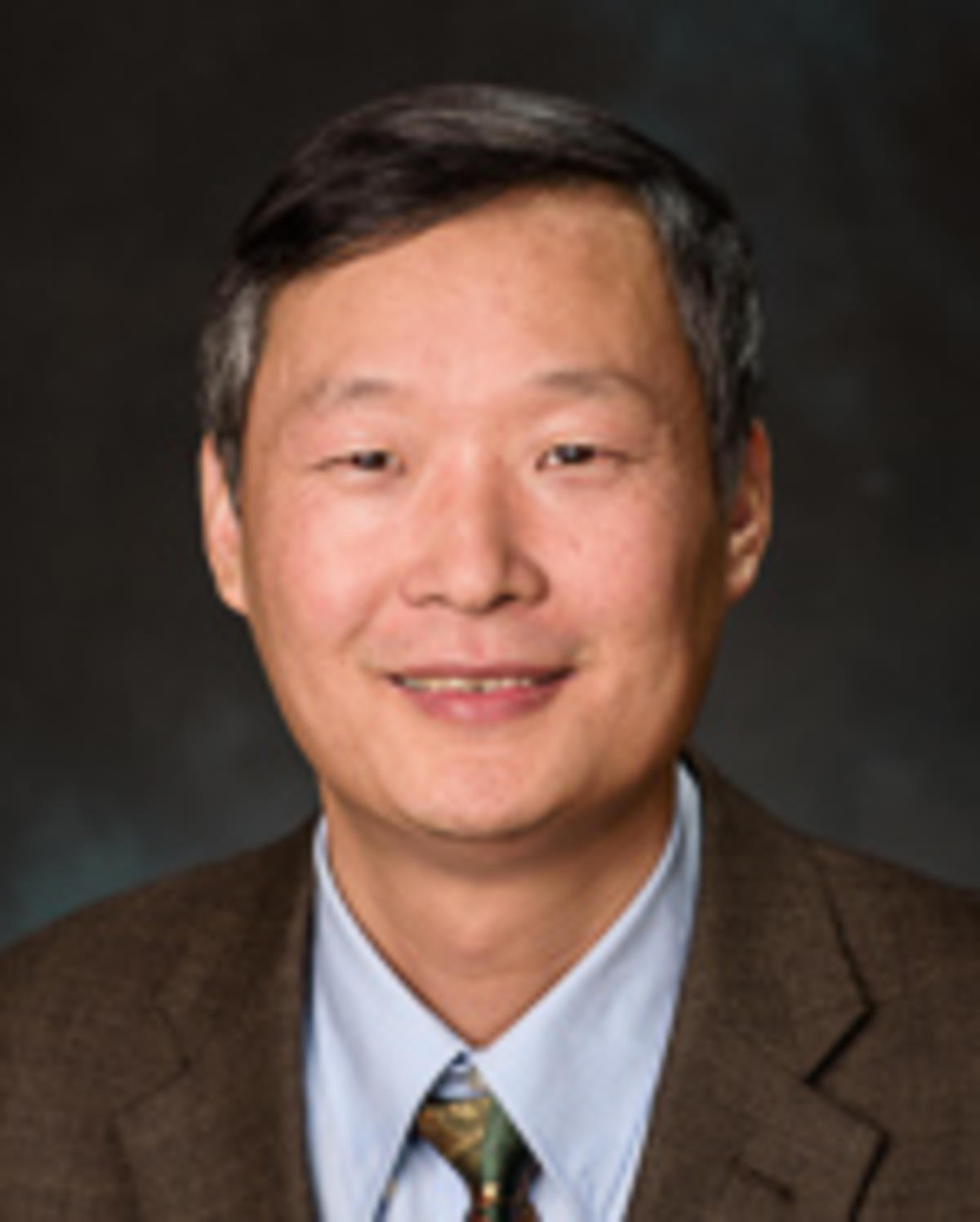
Yong Shi, associate professor, Department of Mechanical Engineering at Stevens, is working to address both of those challenges by improving control moving devices through blood vessels and providing information about contact forces during the procedure.
Through the Trailblazer Award for New and Early-Stage Investigators program of the National Institute of Biomedical Imaging and Bioengineering, the National Institutes of Health has awarded Stevens a three-year grant for Shi’s project, “Piezoelectrical Steerable Micro-Guidewire with Real- Time Force Sensing for Minimally Invasive Vascular Therapy.”
“We hope that more precise steering and useful force feedback will eventually help physicians navigate complex anatomy with greater confidence and reduce the potential for vessel injury,” Shi said.
Steering toward better treatments
Shi aims to develop a flexible, steerable, smart guidewire that can safely move through blood vessels and also measure the force it applies to blood vessels in real time.
He and his team will design the guidewire and build prototypes using computer simulations. The researchers will examine how well the devices bend, steer and measure force, then test them in artificial blood vessel models.
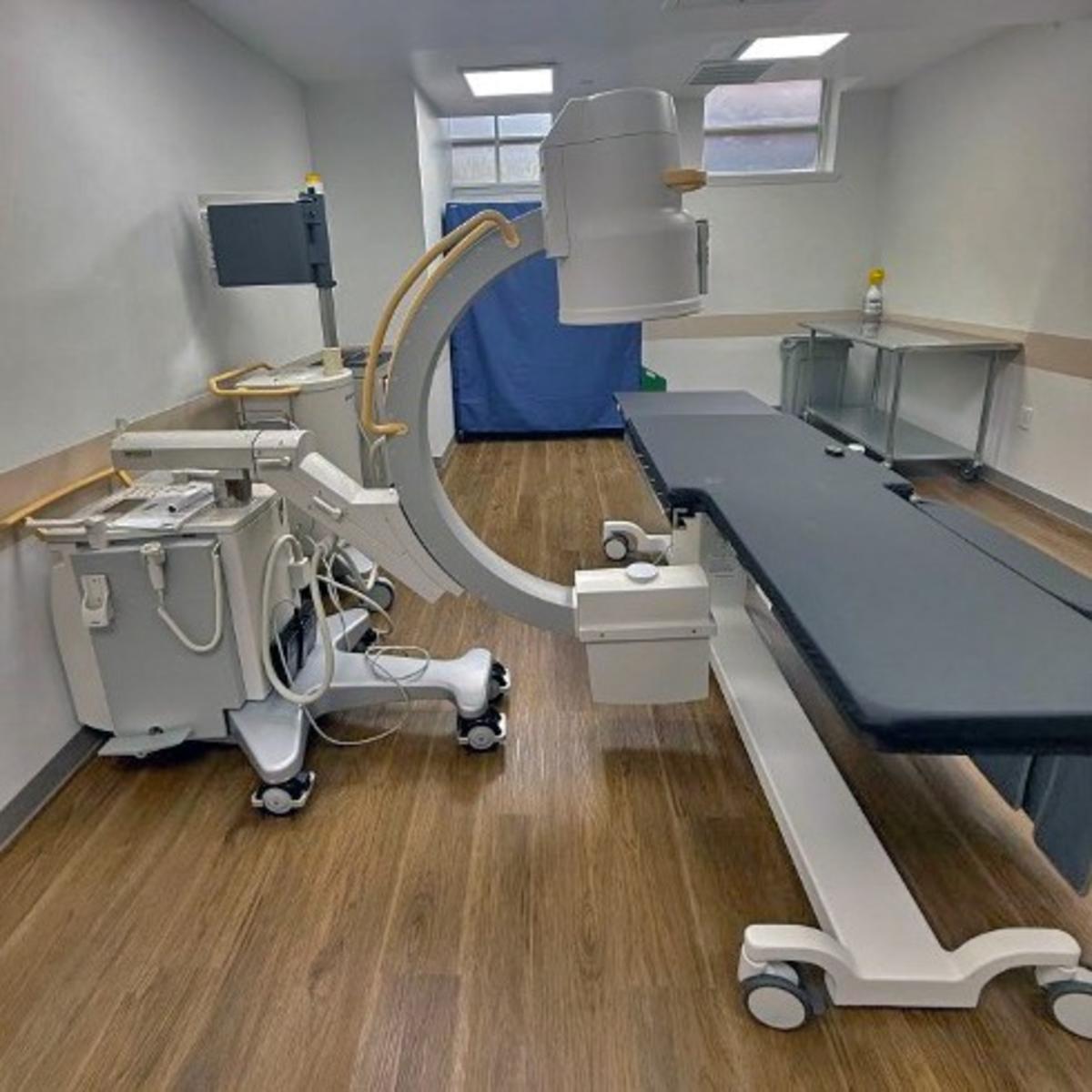
Beyond this virtual analysis, the project will offer a unique perspective on how the device would move in the real world. Thanks to the donation of a fully functional, refurbished Philips BV Pulsera II mobile C-arm fluoroscopy system with advanced vascular imaging, the team can more closely replicate the conditions of an actual medical procedure.
“Our existing tools support fabrication, mechanical testing and electrical characterization, but they do not provide this kind of real-time X-ray visualization of guidewires and catheters in enclosed vascular models,” Shi said. “Fluoroscopy, with its continuous X-rays, will allow us to observe the guidewire’s movement even when we can’t see it directly. Rather than relying on static images or external observation, it will provide a dynamic view as the guidewires move through bends and branches.”
The equipment was donated by Dr. Yvonne Dang, medical director at Interventional Medical Consultant PLLC, and Dr. Sundeep Mangla, a neurointerventional partner in Shi’s lab for more than 15 years. As it was no longer essential to Dang’s clinical operations, she decided to relocate it to Shi’s lab to help advance medical technology and train future engineers.
“This project brings together clinicians who face these challenges every day and engineers who can build the solutions,” Mangla said. “It is rare to have that collaboration supported by real clinical-grade equipment in a university lab. Stevens has the engineering talent and the research momentum to put this system to work right away. We are excited to see what these students and faculty develop, and hopeful that this work will eventually improve care for patients with stroke and other cerebrovascular disease.”
The system will be installed in a Stevens research lab in the Charles V. Schaefer, Jr. School of Engineering and Science. The team is eager to put the equipment to work developing their smart guidewire that could make procedures involving the brain's blood vessels safer, more precise and more effective.
It will also be available as a shared resource to other Stevens departments, giving students and researchers experience working with the technology physicians use during image-guided procedures. It could also support research in robotics, sensing systems and other medical devices, bridging the gap between engineering prototypes and their clinical applications.
“We are grateful for the contribution,” Shi said, “and look forward to using the system responsibly to advance laboratory research, train students and build collaborations with researchers from other engineering and biomedical disciplines.”
Learn more about academic programs and research in the Department of Mechanical Engineering: