What’s in Your Water? Using AI to Make Public Drinking Water Safer
When it comes to our tap water, clean does not always mean safe.
In order to make drinking water that is free of both disease-causing organisms and harmful chemicals, removing pathogens is only the first step. Disinfecting agents are excellent at killing off bacteria, viruses, and parasites, but they leave behind a dangerous calling card: trace byproducts—some regulated by the U.S. Environmental Protection Agency and others that remain largely uncharacterized. These molecules may not cause acute illness, but over years of repeated exposure, their impact can be widespread and catastrophic.
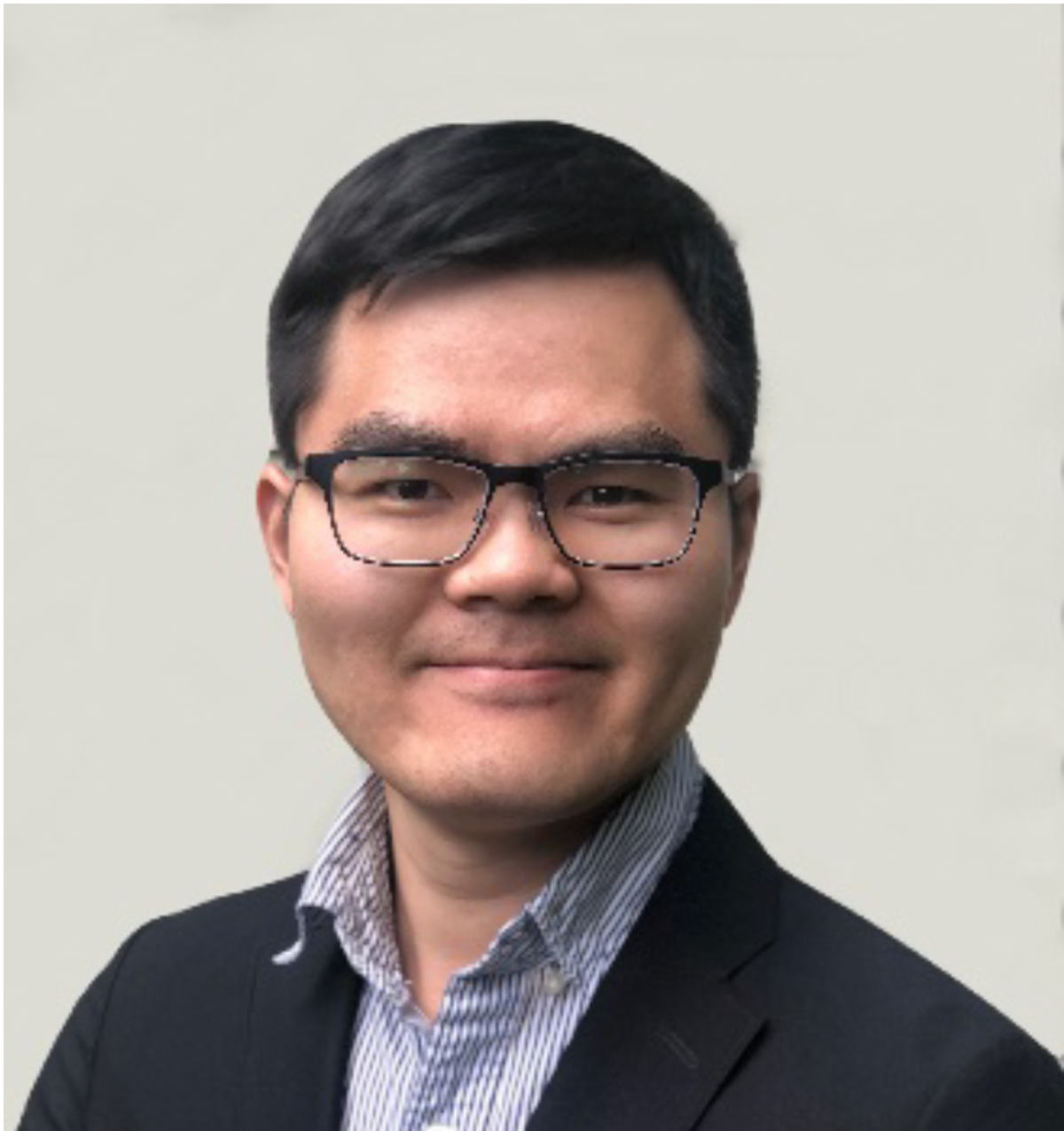
“Disinfection is essential for public health,” says Tao Ye, assistant professor in the Department of Civil, Environmental and Ocean Engineering at Stevens. “But the chemistry doesn’t stop once disinfectants are added. Under certain conditions, they can react with naturally occurring organic matter and form compounds that may pose long-term health risks, many of which we are only just starting to understand.”
The National Science Foundation has recognized Ye with the CAREER award for his research which combines drinking water chemistry with AI models to better inform real-world treatment decisions with hopes to better identify and remove these harmful compounds. The award titled “CAREER: Data-Driven Prioritization and Control of Disinfection Byproducts in Drinking Water” highlights both the impact of his research and Stevens’ growing presence in AI-enabled innovation.
A complex chemical problem
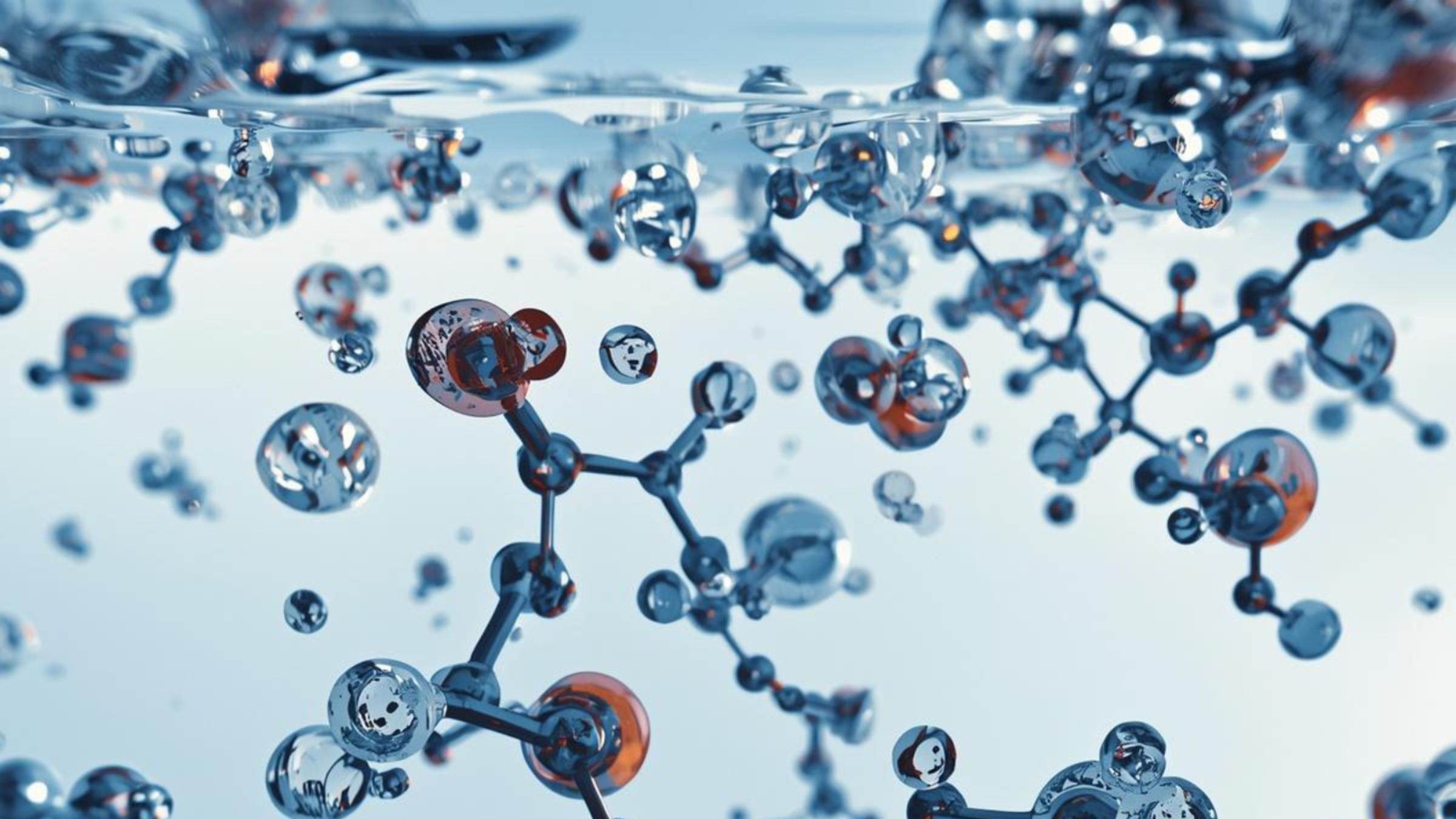
 Disinfection byproducts (DBPs) are created when chlorine and other chemical agents interact with organic material in source water. Some of the most commonly studied byproducts include trihalomethanes such as chloroform and haloacetic acids, which have been linked to increased bladder cancer risk and liver toxicity after long-term exposure.
Other compounds, including nitrosamines are considered potent carcinogens even at very low concentrations, while certain brominated and iodinated byproducts—often associated with coastal or impacted source waters—have shown elevated toxicity in laboratory studies.
While some DBPs are regulated, many occur at very low concentrations and are difficult to detect, study, and prioritize using traditional experimental methods. For decades, researchers have relied on labor-intensive experiments to study how individual compounds form. But the sheer number of possible chemical combinations makes comprehensive testing impractical.
That is where AI comes in.
Rather than replacing lab science, AI helps streamline it, narrowing the field to the contaminants most likely to form under real-world conditions.
“There is a lot of data available from previous studies and monitoring efforts,” Ye explains. “Machine learning gives us a way to learn from this data, identify patterns, and focus our experimental work where it matters most.”
Guiding experiments with machine learning
Once they know which compounds to study first, Ye and his team investigate formation mechanisms in detail. This approach will help scientists move beyond prediction alone and toward practical understanding.
“We want to know why certain byproducts form,” Ye says. “Once we understand the mechanisms, we can start thinking about how to prevent or reduce them.”
That knowledge can translate directly into guidance for water treatment facilities, helping operators adjust treatment processes to minimize unwanted chemical reactions without compromising disinfection effectiveness.
Real-world impact for water utilities
Unlike purely theoretical research, Ye’s work is grounded in real infrastructure. Drinking water treatment plants operate under strict regulatory and operational constraints, and any proposed solution must be feasible at scale.
By combining AI-driven prioritization with experimental validation, the research aims to bridge the gap between science, city budgets, and policy—creating clear insights utilities can use to improve water quality. The results of Ye’s studies could redirect funding and focus, as well as regulation and legislation, to create a future in which healthy water is not limited to expensive bottled brands and mineral springs, but instead is free and accessible for all.
Water safety first, AI second
While Ye’s research will stay on prediction models for the near future, he is quick to emphasize that his passion for environmental engineering and care for human wellbeing remains his driving purpose.
“At the end of the day, my focus is still drinking water,” he says. “AI is a tool that helps us ask better questions and make better decisions.”
Now at Stevens, Ye continues to build on that interdisciplinary approach.
“AI lets us see the system more clearly,” he says. “And when you understand the system better, you can protect people more effectively.”
Learn more about academic programs and research in the Department of Civil, Environmental and Ocean Engineering: