Drones, Diagnostics and Clean Fuel: 10 Schaefer School Projects to See at the 2026 Stevens Innovation Expo
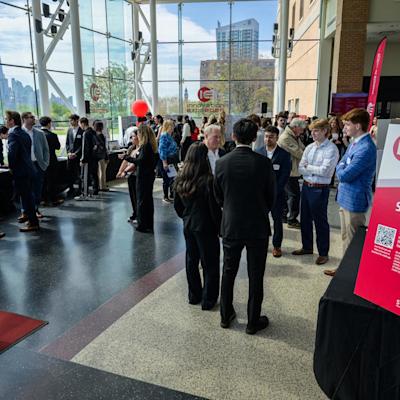
Each spring, graduating seniors across Stevens Institute of Technology spend months turning real-world problems into working solutions — and on May 8, they bring those solutions to campus for the Innovation Expo.
Hundreds of teams will present their work across engineering, computer science, biomedical research and more.
From the Schaefer School of Engineering and Science, we pulled 10 projects that show just how wide the range is this year: life-saving medical devices, AI-powered design tools, smarter ways to track loved ones and even a plan to turn cow manure into clean fuel.
Here’s your preview:
1. AIRR: A hands-free device that helps bystanders save lives during breathing emergencies
What if you could help someone breathe — without mouth-to-mouth?
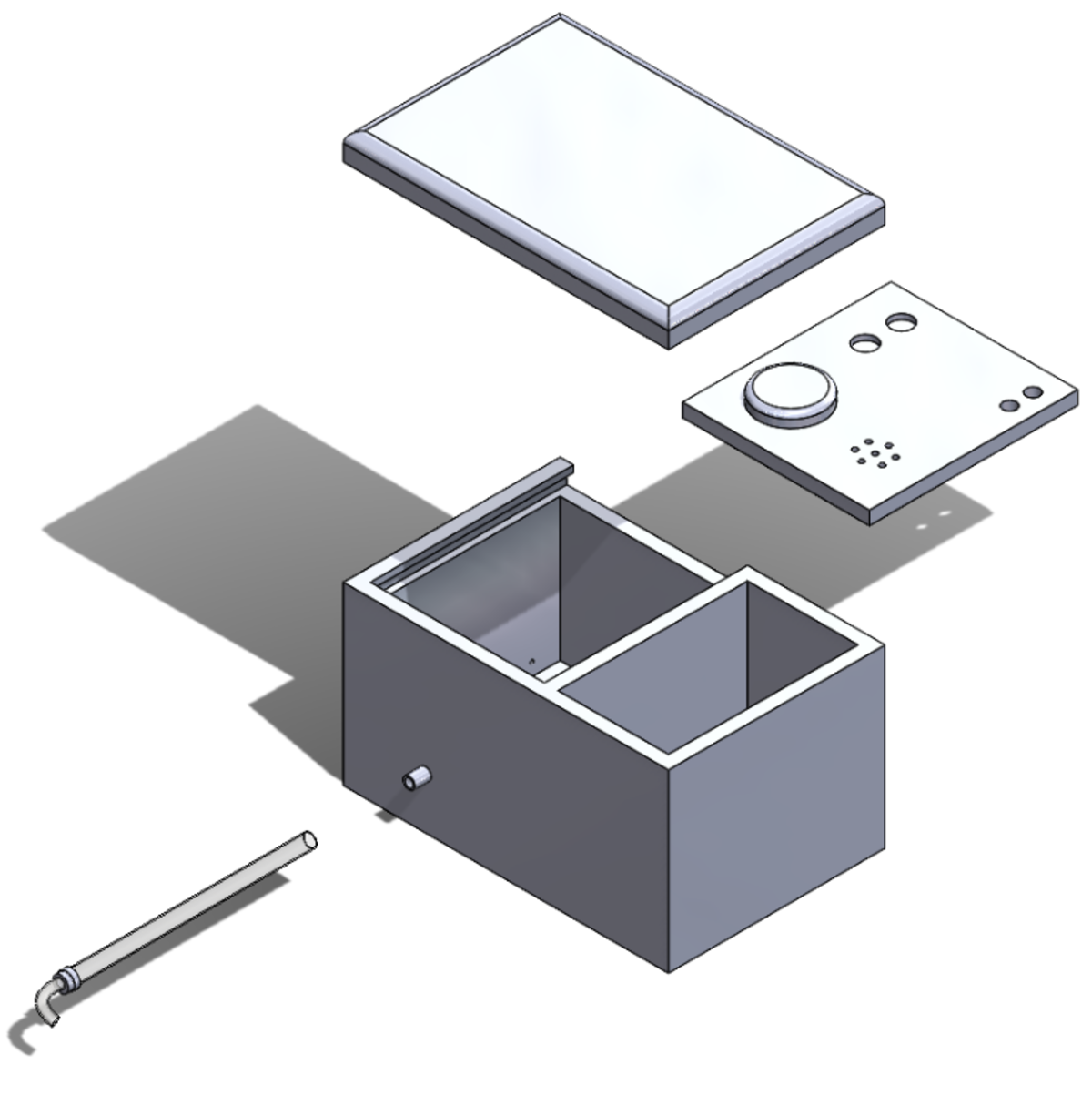 When someone stops breathing, brain damage can begin in just minutes. But many bystanders freeze — either from fear or because they don’t have the training to help. Team AIRR built a device that steps in automatically. It uses a medical-grade airway insert called an i-gel to direct air into the lungs, adjusts its settings based on the patient’s size, and operates on its own — no hands required. It also sends live data to a cloud server so paramedics know exactly what’s happening before they arrive on scene.
STUDENT RESEARCHERS: Juliana Eoga, Jordan Fisse, Niki Hartman, Rebecca Hawks, Christopher Keynton, Emily Weiner
FACULTY ADVISOR: Jinho Kim
DEPARTMENT: Biomedical Engineering
“We're encouraging action through accessible and autonomous emergency respiratory support. Saving lives, one breath at a time."
- Team AIRR
2. Duoxalis: Redefining at-home screening for women’s health
Two of the most common infections in women are also two of the most frequently misdiagnosed.
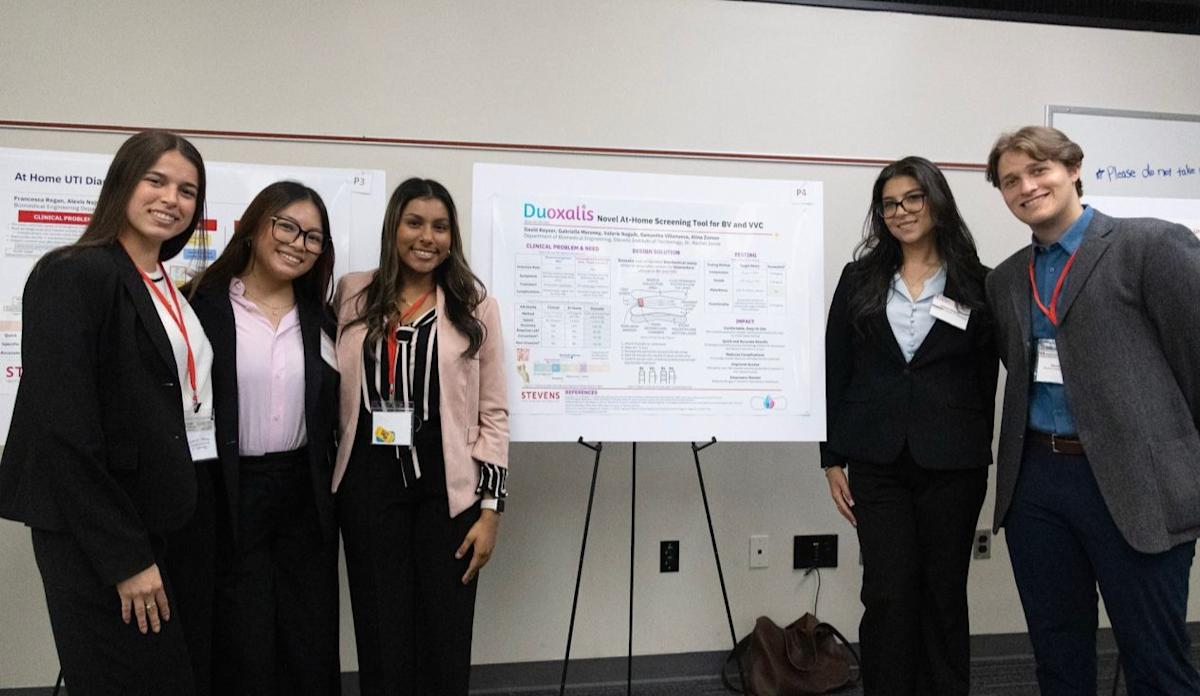 Bacterial vaginosis and yeast infections affect millions of women — but they’re often confused for each other, and misdiagnosis rates can exceed 70%. Existing at-home tests check pH levels, which can’t reliably tell the two apart. Duoxalis takes a different approach: it’s a pantyliner with two built-in test strips that detect the specific biological markers for each infection. Wear it for about an hour, pull the strips, and watch for a color change. No clinic visit, no invasive swabs, no ambiguous result. Just a familiar product that quietly does the lab work for you.
STUDENT RESEARCHERS: David Keyser, Gabrielle Moroney, Valerie Naguib, Samantha Villanueva, Alina Zaman
FACULTY ADVISOR: Rachel Jones
DEPARTMENT: Biomedical Engineering
“Duoxalis was inspired by the need for more accessible and comfortable screening tools for common gynecological infections. By integrating diagnostics into a pantyliner, it helps women make faster, more informed care decisions. Women deserve better options, and Duoxalis is built to deliver one!”
- Team Duoxalis
3. CrossCare: An AI-powered app designed to support expecting mothers through every stage of pregnancy
Pregnancy comes with a lot of questions. CrossCare is built to help answer them.
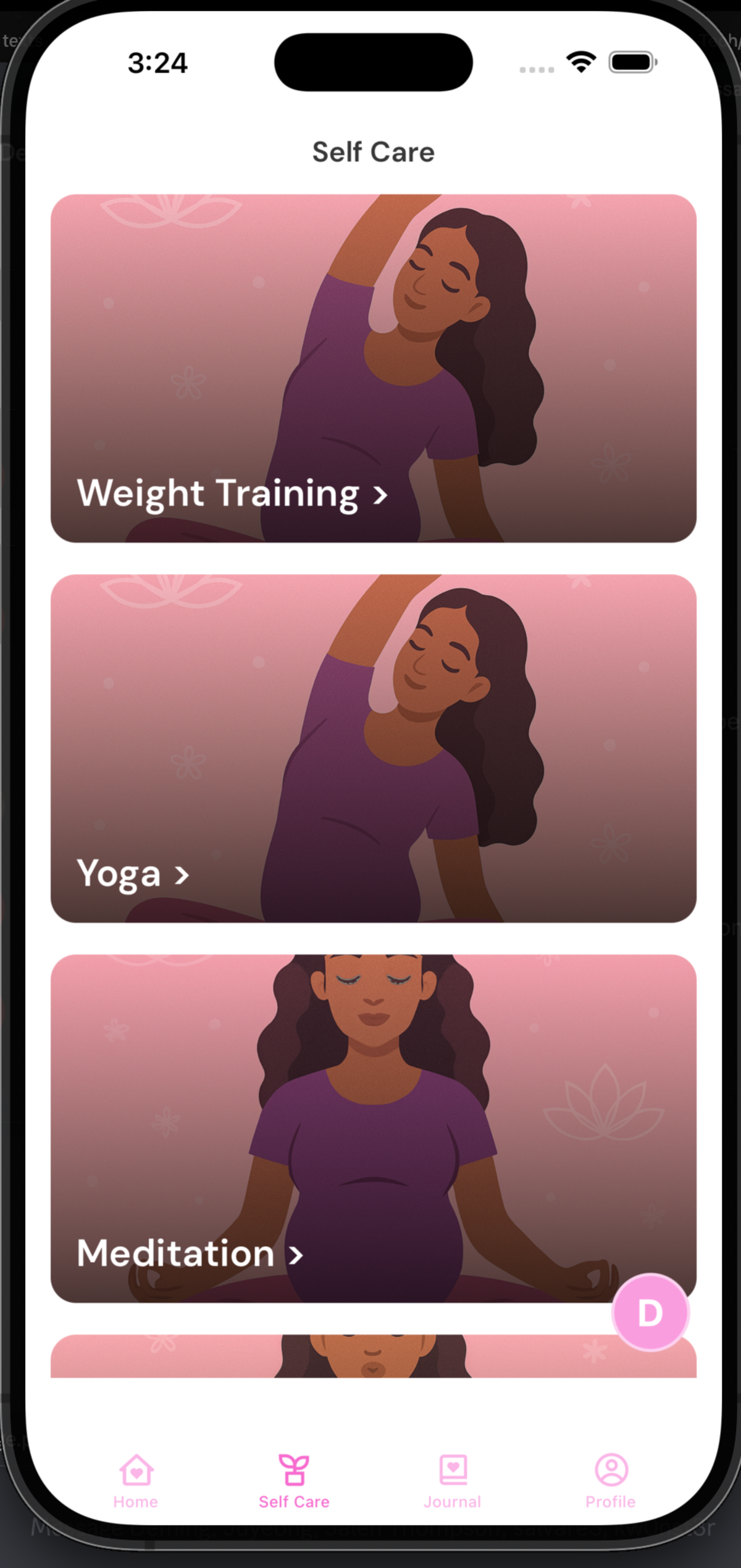 Good maternal health information isn’t always easy to find — and when you do find it, it’s often buried in clinical language. CrossCare is a mobile app that makes it more accessible.
Users can track health metrics and pregnancy milestones, and get answers to common questions through a built-in AI chatbot trained on vetted maternal health data. The app also gamifies daily wellness goals, giving users a reason to stay engaged throughout their pregnancy — not just during checkups.
STUDENT RESEARCHERS: Terynce Chan, Shantel Dominique Alvarez, Jonathan Kwon, Juyeong Park, Jalen Thompson, Deming Tracy
FACULTY ADVISORS: Patrick Hill, Matthew Wade
DEPARTMENT: Computer Science
“Working as a team on developing the CrossCare Concierge project helped us realize our vision of bridging gaps in maternal healthcare using the power of technology.”
- Team CrossCare
4. DensiSense 2.0: A wearable bra that monitors breast health between mammograms
For the 40% of women with dense breast tissue, annual mammograms may not be enough.
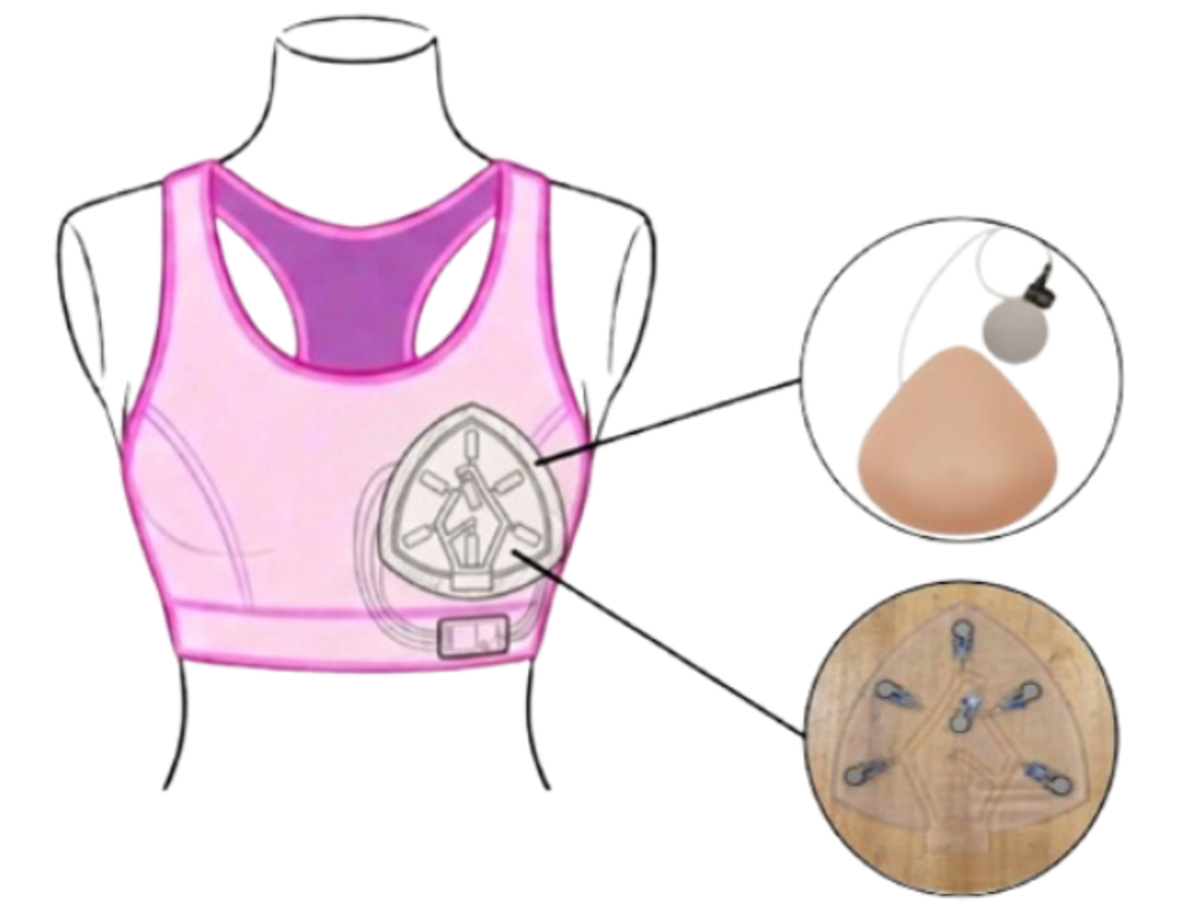 DensiSense 2.0 expands on work done by one of the 2025 Innovation Expo's Ansary Competition finalists.
Breast cancer affects one in eight women in the U.S., with over 322,000 new cases expected in 2026. Because screenings are infrequent, changes can go unnoticed for months — especially for women with dense breast tissue, where detection is more difficult. DensiSense 2.0 is a non-invasive, at-home monitor built into a bra. Embedded sensors measure tissue stiffness during a quick scan and send data to a mobile app, where an AI model flags potential abnormalities and notifies the user. The system doesn’t replace clinical screenings — it enhances them by providing continuous monitoring and earlier awareness.
STUDENT RESEARCHERS: Jacqueline Castro, Alison Dutton, Mariam Elnaggar, Gianina Maldonado, Alyssa Pavone, Jernique Richardson
FACULTY ADVISOR: Kevin Lu
DEPARTMENT: Electrical and Computer Engineering
“DensiSense 2.0 brings peace of mind home, empowering earlier detection and giving women a better chance when it matters most.” - DensiSense 2.0 Team
5. Rocket Lungs: A space-themed breathing trainer designed for kids with neuromuscular disorders
Building lung strength in children who need it most — and making it fun.
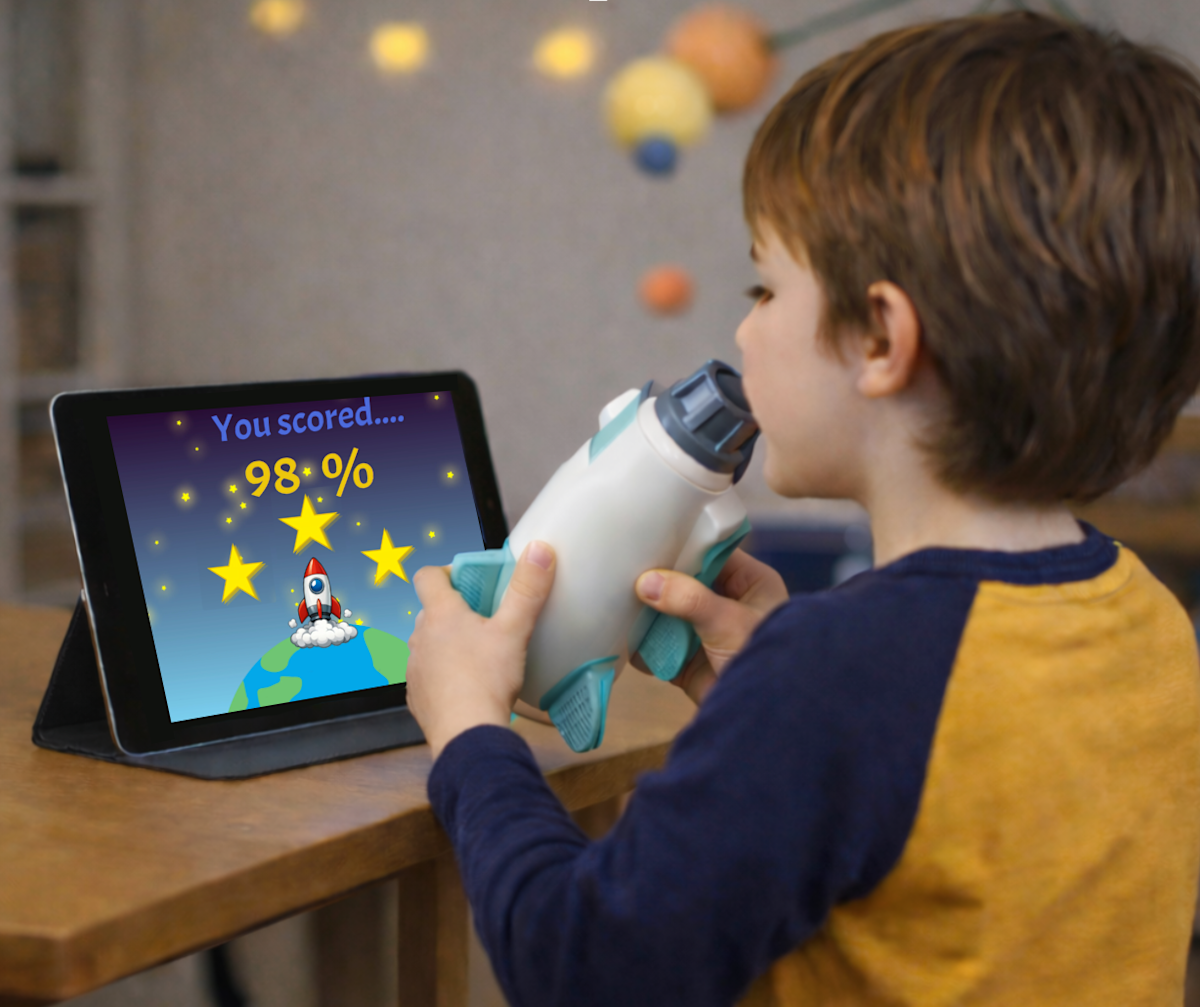 Children between the ages of 6 and 10 who have neuromuscular disorders are at risk of developing weak breathing muscles, which leads to shallow breathing, frequent infections and serious health implications like respiratory failure. While respiratory therapy devices exist, they aren’t designed with this age group in mind.
Rocket Lungs helps children strengthen their breathing muscles through adaptable resistive training — similar to breathing in through a straw. Using a pressure transducer, the device automatically adjusts resistance based on each child’s breath and clinician-defined targets. Paired with an interactive mobile app, therapy becomes a game that rewards progress and encourages consistent use — while giving doctors and caregivers real-time tracking.
STUDENT RESEARCHERS: Lauren Alley, Sophia Gonzalez, Maya Lapinski, Isabella Mangano, Kailyn Savage
FACULTY ADVISOR: Rachel Jones
DEPARTMENT: Biomedical Engineering
“Children with neuromuscular disorders have enough problems, and breathing shouldn’t be one of them.”
— Kailyn Savage
6. Ultra-Thin Polydopamine Films: A biological sticker with big medical potential
Dopamine is best known as a brain chemical. It turns out it can also coat almost any surface — and that’s surprisingly useful.
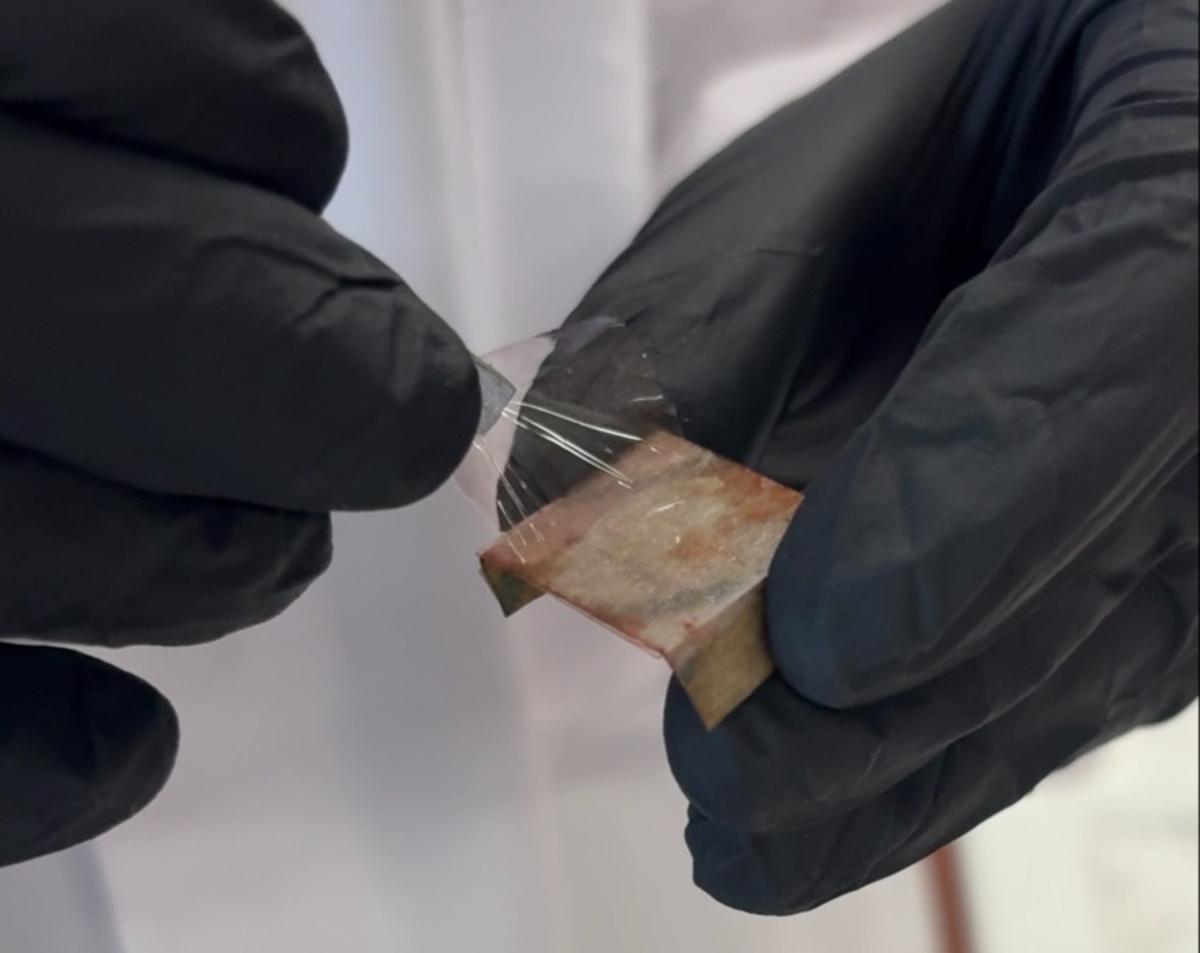 When dopamine oxidizes, it forms an ultra-thin, sticky film that adheres to nearly any material. This project explores harnessing that property to create transferable, body-safe films that can be peeled off one surface and applied to another — like a biological sticker. By adjusting the chemistry with glucose, the team produced smoother, more controlled films that can bind proteins, support living cells, and regulate what passes through them. The applications are wide-ranging: coating implants to resist bacteria, building scaffolds for growing tissue in the lab and more.
STUDENT RESEARCHERS: Aditi Patel, Isabella Shanley
FACULTY ADVISOR: Junfeng Liang
DEPARTMENT: Chemistry and Chemical Biology
“We’re especially interested in solutions that don’t require complex processing or specialized environments. If these films can reliably carry proteins, support cells or protect surfaces, they could become a kind of “plug-and-play” layer for medical devices and lab-grown tissues."
- Junfeng Liang
7. Team RNG: Converting dairy cow manure into clean, sellable natural gas
Dairy farms produce enormous amounts of waste. Team RNG wants to turn it into fuel.
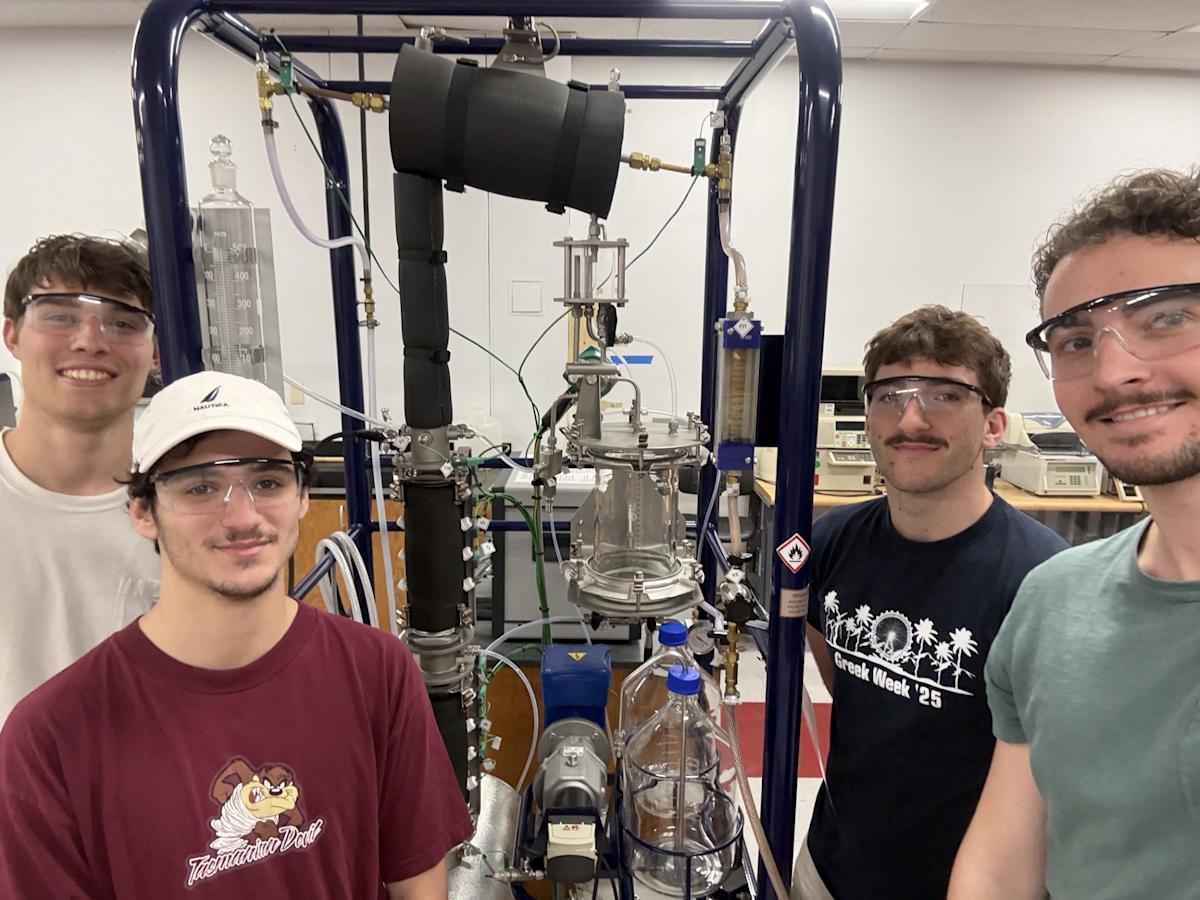 Cow manure is rich in methane — the same gas that heats homes and powers industry — but on most dairy farms, that energy simply goes to waste. Team RNG designed a full-scale process to change that. Using ASPEN, an industry-standard chemical engineering simulation tool, they modeled a system that runs manure through a digester and separation equipment to extract Renewable Natural Gas and other useful byproducts. The result reduces greenhouse gas emissions, captures energy that would otherwise be lost and can turn a real profit for local farmers. The team projects a large-scale plant can be built for under $40 million and pay off within 10 years.
STUDENT RESEARCHERS: Max Adler, David Riedell, Ty Vallorosi, Dean Wise
FACULTY ADVISOR: Yujun Zhao
DEPARTMENT: Chemical Engineering and Materials Science
“We first learned about biofuels technology from professor Zhao’s class, and we were excited to apply design principles to a real problem. When we learned about the significant emissions from manure, we knew that capture and separation could be made profitable with the right technology choices."
- David Riedell
8. TalarAI: Using AI to design better boat foils in minutes instead of weeks
Designing the underwater wings that lift high-speed boats has always been slow and expensive. TalarAI changes that.
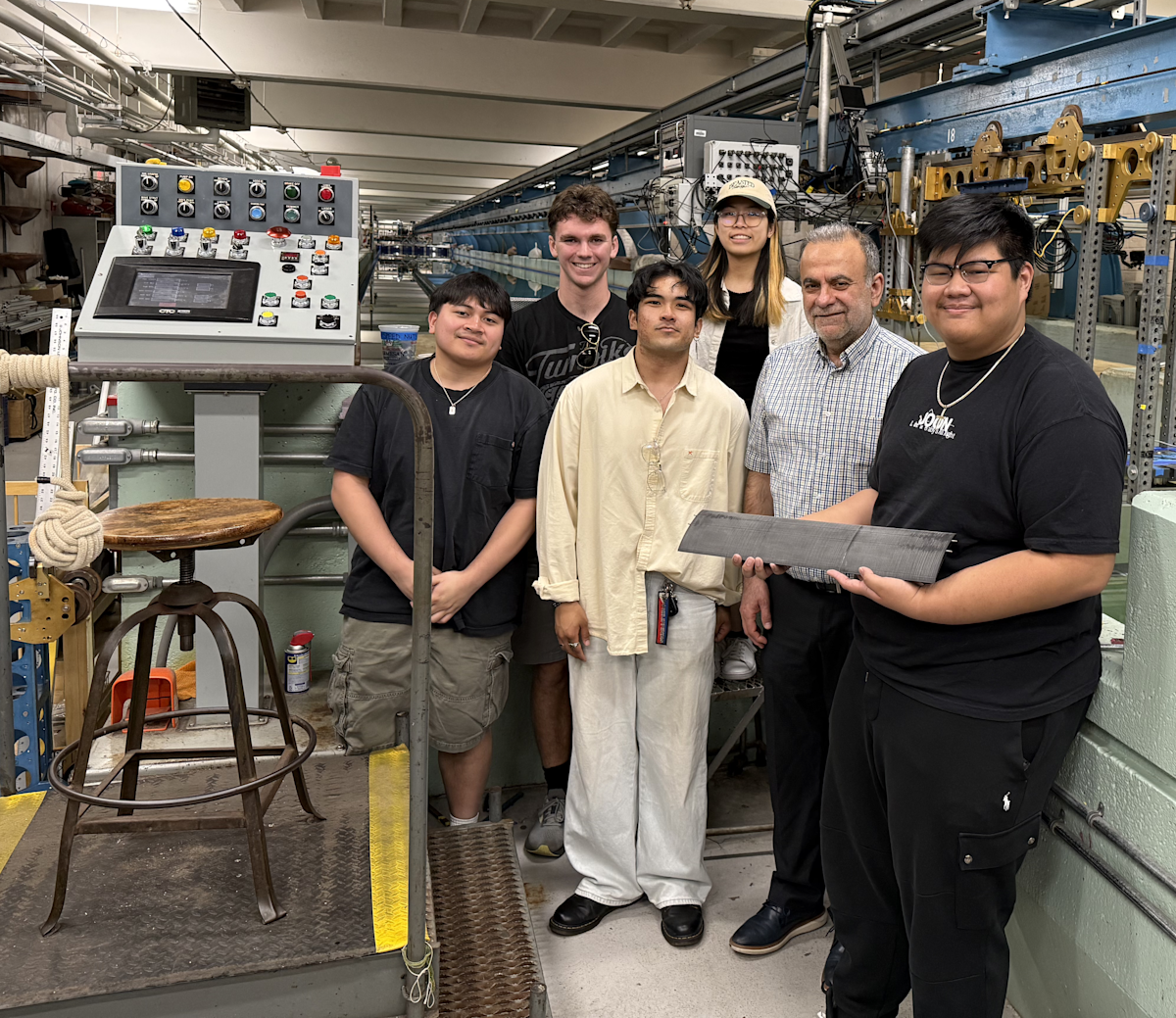 Hydrofoils are wing-shaped fins that lift a boat’s hull out of the water — improving speed, performance and fuel efficiency. But designing them for optimal performance has traditionally required expensive, time-consuming computer simulations. TalarAI is an AI-powered design pipeline that transforms this process: it learns from existing foil geometries, generates new design concepts, and predicts performance without relying on traditional simulation workflows. By enabling rapid exploration of the design space early in development, TalarAI gives engineers a faster, more accessible path to high-performance hydrofoil design.
“Our team had the opportunity to see our foil optimization validated through 2D analysis programs, computational fluid dynamics, and physical model testing," said researcher Andrew Vallent. "All of which showed substantial improvements in foil performance.”
STUDENT RESEARCHERS: John Figueras, Benedict Martinez, Jess Irvin Peleo, Andrew Vallent, Alyson Zhang
FACULTY ADVISORS: Mahmoud Ayyad, Raju Datla, Muhammad Hajj
DEPARTMENT: Civil, Environmental and Ocean Engineering
“One unique aspect of this project is the use of AI to amplify and accelerate insight and discovery, rather than to automate the design process.”
— Professor Muhammad Hajj, Faculty Advisor
9. QuackOps: Autonomous drones that deliver food and packages across campus — no pilot needed
Getting a sandwich across a busy campus shouldn’t take 45 minutes. QuackOps thinks drones can fix that.
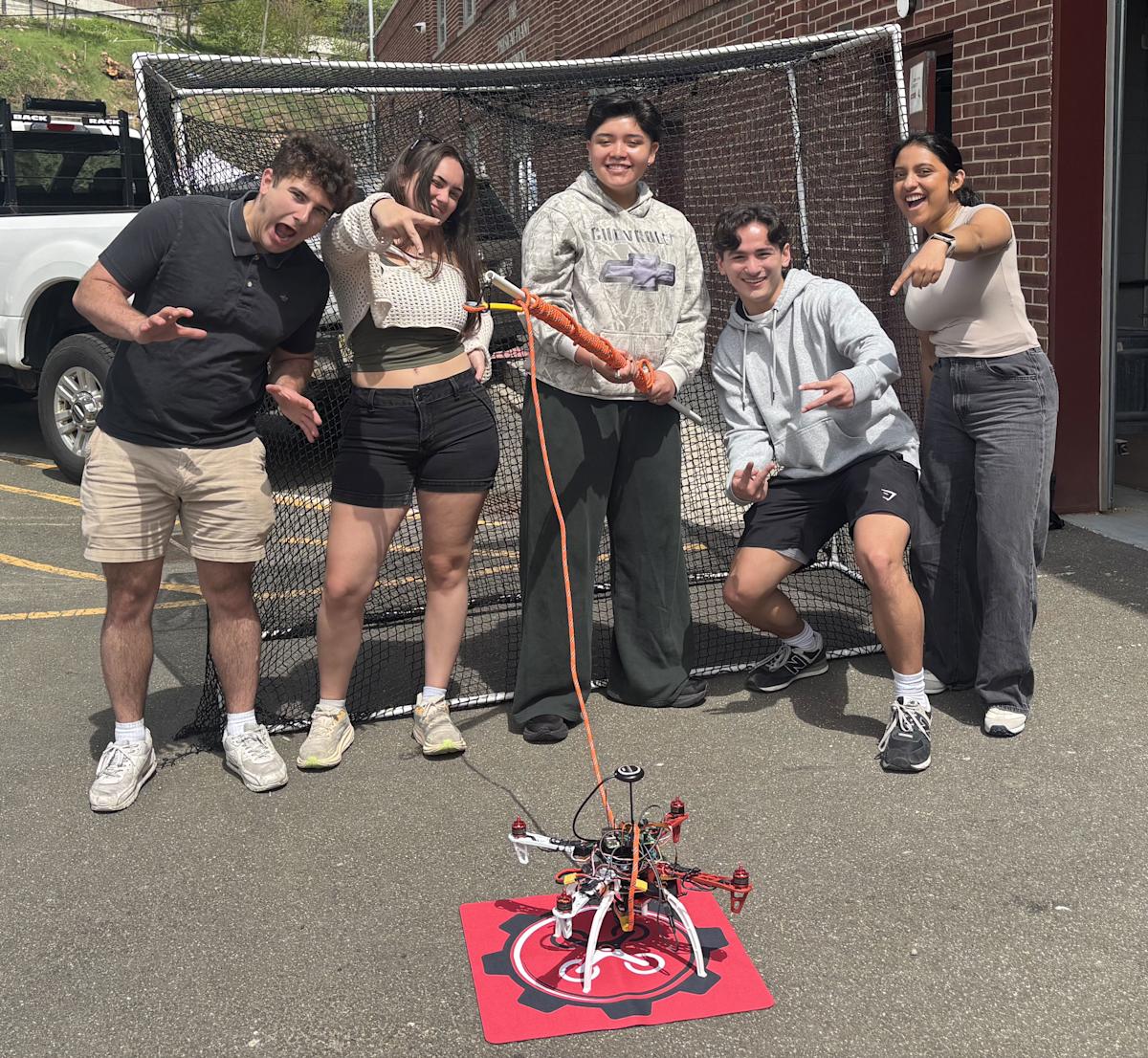 Campus deliveries are slow. They depend on staffing, get stuck in foot traffic, and can’t scale easily during peak hours. QuackOps is an autonomous drone delivery system built specifically for campus environments. The drones navigate using GPS and cameras — no remote pilot involved — and can land precisely where they’re supposed to. Users place and track orders through a custom web app; administrators manage the fleet through a control dashboard. The team sees applications beyond food delivery too, including emergency supply transport and, eventually, urban smart-city logistics.
From the QuackOps team: “This project was truly interdisciplinary and challenging, teaching us how to collaborate effectively in multiple ways. It pushed us to apply the knowledge we’ve gained throughout our time at Stevens while developing our problem-solving skills through working with new technologies we had never encountered before.”
STUDENT RESEARCHERS: Gianna Cerbone, George Redfern, Spurthi Setty, Thomas Ung, Camila Valdez
FACULTY ADVISOR: David Darian Muresan
DEPARTMENT: Systems Engineering
“What inspired this project was our desire to create a solution with real-world impact, bringing intelligent automation into the physical world. We had each personally experienced the inefficiencies and high costs of current delivery systems, and we felt this was the perfect opportunity to apply what we’d learned to a problem we genuinely cared about.”
— Spurthi Setty
10. aWhere: Affordable tracking for people living with autism or dementia — no monthly fees
Keeping track of a wandering loved one shouldn’t be a financial burden.
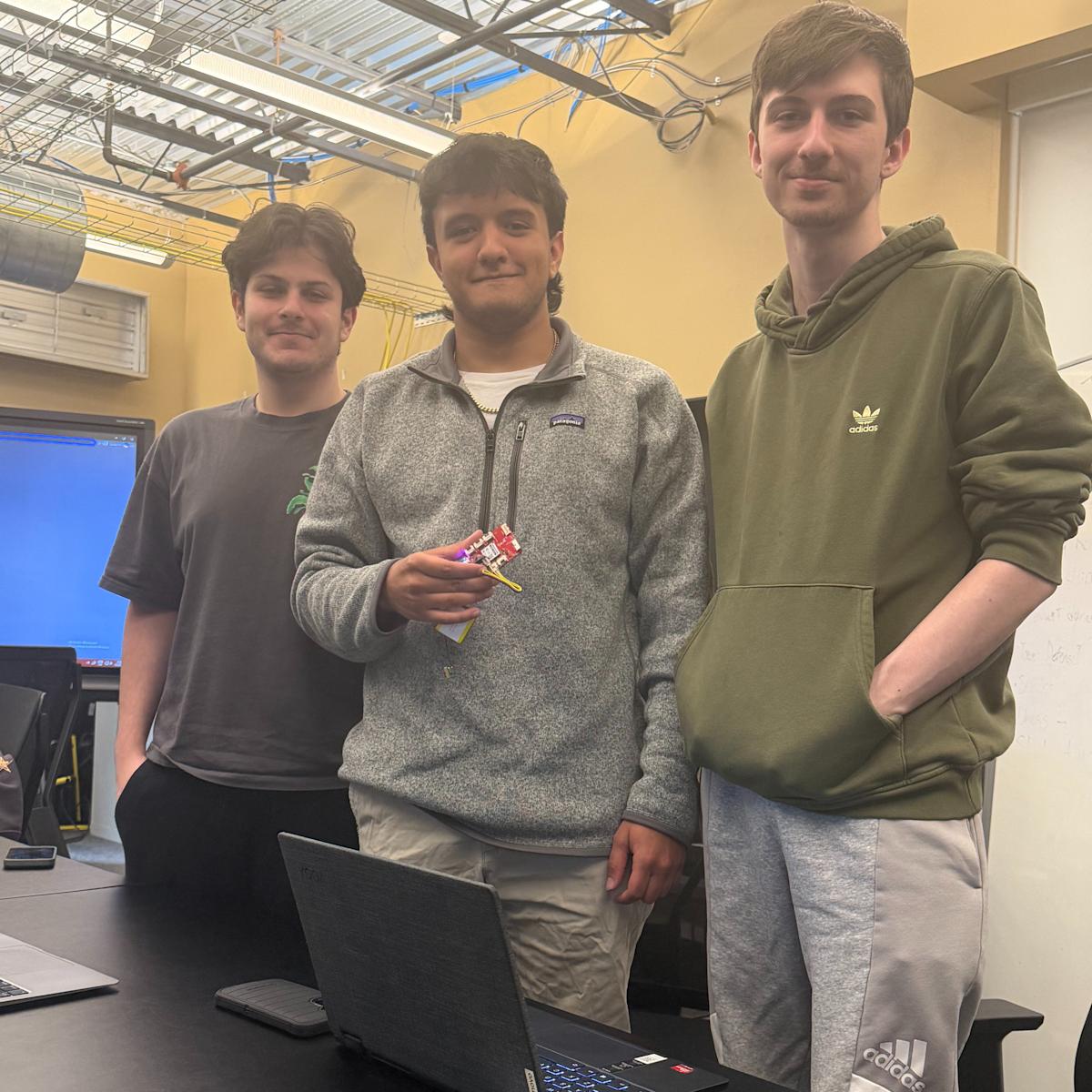 For families and caregivers of people with autism or dementia, wandering is a serious — sometimes life-threatening — concern. Many existing tracking solutions rely on cellular networks with costly subscriptions, putting them out of reach for many households and care facilities. aWhere uses LoRaWAN, a long-range, low-power wireless technology, to provide location tracking without recurring fees. Through a web-based dashboard, caregivers can monitor multiple individuals at once and receive automatic alerts when someone leaves a designated safe zone. Affordable, scalable and designed around caregiver needs, aWhere aims to make safety more accessible for those who need it most.
STUDENT RESEARCHERS: Ryan Davis, Roy Tas, Cory Vitanza
FACULTY ADVISORS: David Darian Muresan, Ryan Ona, Damiano Zanotto
DEPARTMENT: Systems Engineering
“We built aWhere to make keeping loved ones safe simpler and more accessible. It’s about giving caregivers confidence and peace of mind when it matters most.”
- Team aWhere
 These ten projects are just a glimpse. Hundreds of teams across every school and discipline will be presenting on May 8 — all of them graduating seniors who spent a year working on something real.
Come see what they built.