Onur Asan Examines the Human Factors of Pediatric-to-Adult Health Care Transition

After a lifetime of pediatric care, children and adolescents typically transition to the adult healthcare system between the ages of 18 and 21. Young people with multiple serious medical conditions face the same milestone, but their experience can be dramatically different.
Onur Asan, associate professor and associate chair for graduate studies in the Department of Systems Engineering at Stevens Institute of Technology, and the primary investigator of an NIH-funded study, “Exploring the Pediatric-to-Adult Health Care Transition for Children with Medical Complexity,” said the transition can bring increased risks.
“The pediatric world, including its specialties, is very well prepared for these children, and they know them,” Asan said. “But when they turn 21 or 22 and start transitioning, adult care is not as accustomed to these kids.”
The change can have an impact on patient health and safety. It can also create emotional chaos for patients and families.
“For parents, it becomes very hard to find the right doctor who will really understand these kids,” Asan said. “It's going to be emotionally challenging for the kids, too, because they've gotten used to that treatment in pediatric care.”
Using human factors engineering, Asan’s research aims to identify patient safety risks, communication and information-sharing challenges, and opportunities to improve care coordination and outcomes.
The findings could help healthcare organizations improve how they manage transitions for patients with complex medical needs. Applications coming out of the research may include better communication practices, provider training, and more coordinated services.
Potential technology applications include the development of centralized information systems that give healthcare professionals more complete and timely access to patient records. Other improvements could include specialized clinics and additional resources to support families during and after the transition to adult care.
Care coordination is a big challenge
Children with medical complexity have complex care needs. Asan’s study focuses on children with at least three chronic conditions and five to six or more emergency department or hospital visits annually.
These patients often receive treatment from several specialists, rely on medical technologies at home and in healthcare facilities, and frequently require inpatient and outpatient care. Effectively coordinating this care across multiple providers is challenging, Asan noted.
“The most important part is the care coordination, meaning information flow,” Asan said. “Without a centralized electronic health record system, or EHR, physicians may be unaware of treatments, medications, or other decisions made by their colleagues.”
Incomplete information, communication gaps, and a lack of familiarity with the patient's medical conditions can all lead to serious consequences, including medication errors and dosing errors.
During the COVID-19 pandemic, Asan witnessed firsthand the gaps in care for this unique patient population. At the time, he worked with families of critically ill children at the New Jersey Clinics for another NIH grant.
He explained that healthcare systems increasingly relied on telehealth to deliver care. Virtual appointments helped many patients maintain access to providers, but they were not always an adequate substitute for in-person visits for children with medical complexity.
“Telehealth helps, but for these kids, telehealth cannot help that much because sometimes they need to be seen in person,” Asan said.
Supported by an earlier NIH grant, Asan examined how the pandemic affected these patients' care experiences. He worked closely with parents, physicians, hospitalists, and home nurses, drawing on their perspectives to explore broader concerns about care coordination. The finding that families faced challenges when children transition from pediatric to adult healthcare helped shape his current project.
Examining what happens during the transition
A feature of Asan's research is its use of human factors engineering, a discipline that examines how people interact with the environments, technologies, and systems around them.
“In human factors, the idea is that you are studying the right fit between the human being and its environment,” Asan said, explaining that the goal is to improve both performance and safety by designing systems that better accommodate the people who use them.

In healthcare, mistakes or breakdowns in communication can occur during transitions. Using human factors engineering involves looking beyond individual mistakes to understand the circumstances that contribute to them. For example, a clinician makes a medication error. Human factors engineering looks at factors that could have caused the error, such as the clinician working consecutive shifts, poorly designed technology, or making a decision without complete patient information.
Asan emphasized that human factors engineering looks to avoid the blame culture. “We never blame anybody,” he said.
Instead, the research examines how organizational processes, communication practices, and technologies influence decisions and patient safety. By identifying those contributing factors, researchers can develop interventions that help prevent errors before they occur.
Asan and his research team aim to examine the transition from both sides, observing patients’ final pediatric appointments and their initial visits with adult healthcare providers.
Researchers will review medical records and interview physicians, specialists, patients, and families to evaluate what information is communicated, what may be missing, and how those gaps affect care.
Improving information flow
Although EHRs have made it easier to document care, Asan cautioned that entering information into a system does not necessarily mean another provider will see it.
“A clinician may add notes and assume another doctor will read all of it, but that is not always the case,” he said.
The research team will conduct a failure mode analysis, working with physicians, nurses, and parents to examine where communication or care processes break down and explore ways to prevent similar problems.
Another component of the study involves reviewing medical records for approximately 300 CMC patients. Researchers will compare healthcare experiences during the two years before and two years after the transition, examining emergency department visits, unplanned hospital admissions, missed appointments, medication continuity, and other indicators of patient safety.
“We really want to see if it is getting worse when they transition to adult care, what type of data is really showing that, and where are the problems,” Asan said.
The critical role of parents and caregivers
For children with medical complexity, parents’ responsibilities may extend well beyond arranging appointments. Asan explained that they often have to manage medications, work with different medical technologies, and help providers understand their children's unique needs.
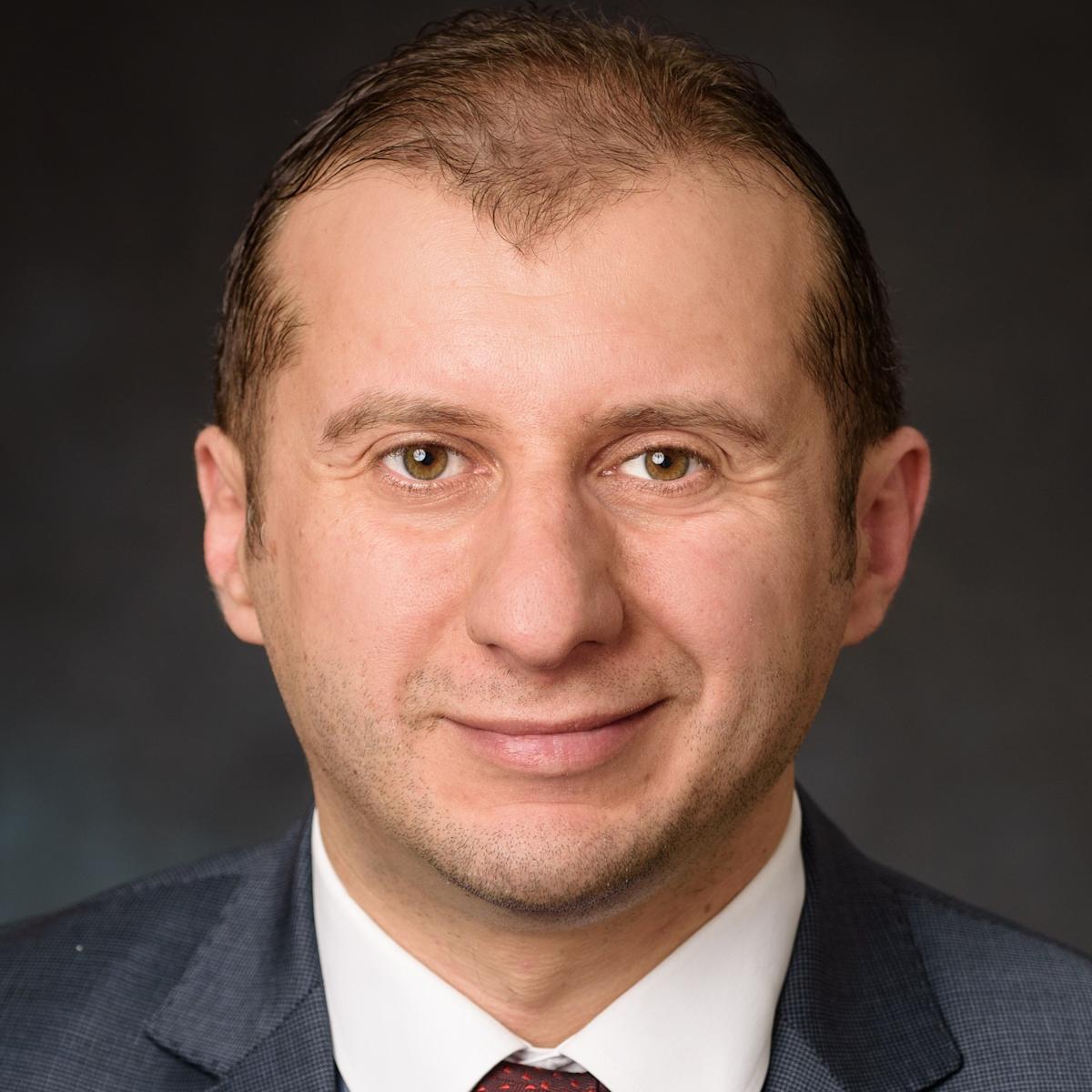
Asan has encountered parents whose familiarity with their children’s conditions allows them to recognize potential mistakes, sometimes intervening when healthcare professionals are unfamiliar with a particular patient's needs.
“Sometimes the parents say, ‘No, don't do it. You should do it this way,’ and they are like a safety net,” Asan said.
However, relying heavily on parents to coordinate care creates additional challenges, particularly for families who may lack access to information, training, or other resources.
By interviewing families and examining their experiences, Asan's team hopes to identify ways to reduce that burden and help healthcare systems provide more coordinated care.
As part of the NIH grant, Stevens undergraduate and graduate students will have the opportunity to interview families, analyze and interpret data, and contribute to research publications.
Asan said these experiences allow students to develop skills beyond engineering while gaining firsthand exposure to the challenges patients and families face. He highlighted the impact of this type of research, noting how one doctoral student who participated in his previous research became interested in pursuing a career focused on improving care for children with medical complexity.
For Asan, the motivation goes beyond identifying weaknesses in healthcare systems. His years of working with children with medical complexity and their families have shown him how engineering research can address challenges that affect people’s daily lives.
“When you really talk to real people going through this pain and everything else, and as an engineer, you really want to help them and help solve their problems,” Asan said.
Learn more about academic programs and research in the Department of Systems Engineering: