How to Choose the Right STEM Degree Program
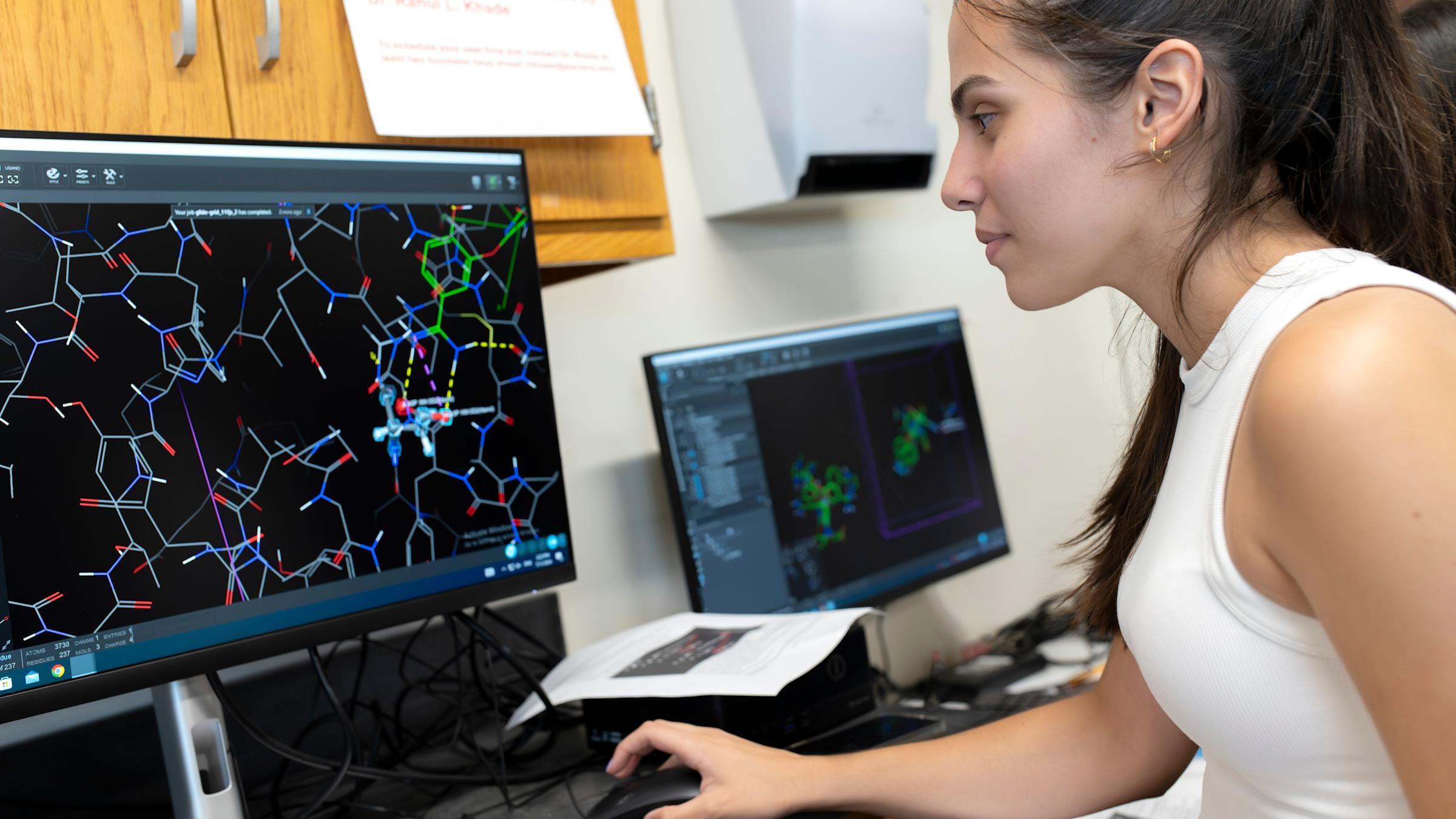
The STEM umbrella covers a wide span of work types. A chemistry major spends afternoons in a lab observing reactions. A computer science major focuses on writing and debugging code. A mechanical engineering major keeps busy building and testing physical prototypes.
When students choose their lane within STEM, they’re deciding what kind of daily experiences they want as much as they are a major name. A few practical questions can help guide that choice.
Do you want to build, analyze or investigate?
Some STEM fields center on creating a structure, device or piece of software (e.g., mechanical engineering, civil engineering or computer science). Others focus on finding patterns in data, modeling systems and solving equations (e.g., applied mathematics, data science or electrical engineering). Still others study how living systems and natural processes work (e.g., biology, chemistry or environmental engineering). Each of these is STEM, but they call for different skillsets. If students can pinpoint which kind of work they gravitate toward, they have a good idea which major to select.
Do you want to declare a major early or take time to explore?
Not every student arrives at college knowing the skillset in which they’re strongest. Stevens’ engineering and science curriculum is built for that reality. Students don’t have to declare a major right away. Undecided engineering students get three semesters to explore, including a first-semester design course that introduces different engineering disciplines. Undecided science students get two semesters to consider their options, choosing two departments of interest before classes start and getting paired with an advisor from one of them.
The exceptions to this rule: Stevens computer science and cybersecurity students must apply directly for those programs, as both majors have set first-year course sequences.
How can you connect with people who’ve made this decision already?
Stevens’ Find Your Flock podcast features current students and recent graduates speaking candidly about how they landed on their major and what their day-to-day work looks like. It’s a useful supplement to academic advising because it comes from people who were recently in the same position, trying to figure out what a major means in practice.
Can you reconsider your decision once you’ve made it?
Choosing a STEM major is a significant commitment of time and coursework, but Stevens students aren’t locked in once they declare. Many students change majors within engineering and science after a year of classes and connecting with faculty. What matters most is gathering valuable information during that exploration period and relying on Stevens resources that are designed to help you make that decision.