Biology is one of the most flexible and potentially lucrative undergraduate majors. According to the U.S. Bureau of Labor Statistics (BLS), biology degree holders earn a median annual salary of $75,000 — which is $5,000 above the median for all fields of study combined.
Where do biology graduates work?
More than a third of biology majors choose healthcare practitioner and technical careers, according to the BLS data. Physicians top the list of roles, followed by postsecondary health specialties teachers, registered nurses, dentists and pharmacists. Many of these positions require advanced degrees, but the biology major is good preparation for those graduate programs. Someone who earns a Bachelor of Science in Biology has completed the lab work and chemistry and anatomy courses that medical, dental and pharmacy programs expect applicants to have.
Biology graduates also move into science, management and education roles. Entry-level physical scientist and biological scientist positions usually require only a bachelor’s degree. These are good options for students who want to start working right after graduation instead of attending graduate school.
What roles does a biology bachelor’s degree prepare me for?
Here’s a quick breakdown of the types of jobs available to graduates with bachelor’s degrees versus those with master’s and doctoral/professional degrees:
Bachelor’s degree: Potential roles include biological scientist, physical scientist, and research and lab roles
Master’s degree: Potential roles include biostatistics, regulatory affairs and other specialized paths
Doctoral/professional degree: Potential roles include physician, dentist, pharmacist and postsecondary biology instructor
Not surprisingly, doctoral/professional degree paths often earn the highest pay and, according to the BLS data, are among the fastest-growing.
Does Stevens have a pre-med program?
Yes, although Stevens uses the broader term “pre-health” for its advising program that prepares students for medical, dental, physician assistant and other health programs. The accelerated bachelor’s degree in chemical biology program is the BS/MD track offered through Stevens and Rutgers New Jersey Medical School. By allowing students to complete both degrees in seven years instead of eight, this highly selective program can save students both time and money. Learn more about the program and its application requirements.
How does Stevens’ biology program set students up for career success?
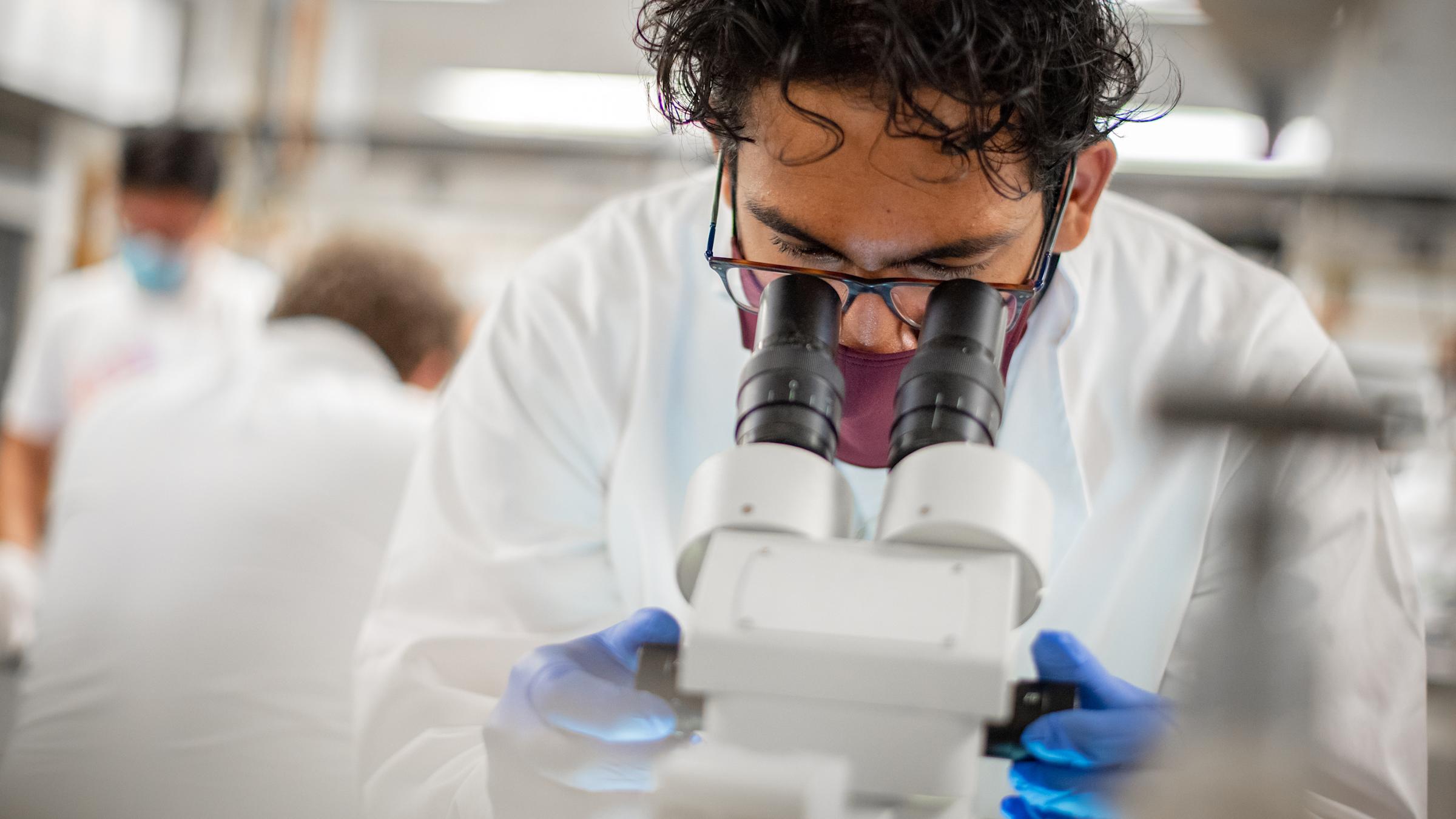
At Stevens, the biology major is built around the same research-focused, quantitative approach that runs through the Schaefer School of Engineering and Science. Students can join a faculty research lab as early as freshman year, working on projects in areas like cancer research, drug discovery and antimicrobial research. This preparation leads to strong student outcomes. According to Stevens’ 2025 Career Outcomes Report, 81% of biology majors are accepted into graduate, medical or dental school.
Why career flexibility matters for biology majors
Biology majors at Stevens don’t need to have their entire academic and career plans mapped out in freshman year. If a student starts with a goal to attend medical school but changes their mind after a few courses, they don’t have to completely start over. The coursework they’ve taken in genetics, physiology and lab methodology in support of a pre-med path also applies to work in environmental consulting, science writing or a master’s program in a different specialty entirely.