Bachelor's Degree in Ocean Engineering
Program Details
Degree
Bachelor of EngineeringAvailable
On CampusEngineer the future of our oceans, from marine technology to coastal resilience.
Ocean, coastal and naval engineers develop solutions for the complex challenges associated with the growing use and stewardship of oceans, maritime systems, and coastal regions. Their work supports critical areas including national defense, maritime transportation, coastal resilience, and sustainable resource development.
These engineers draw on a highly multidisciplinary foundation that combines mechanics, civil infrastructure, electrical systems, environmental science, materials, oceanography and engineering design to develop innovative technologies and resilient solutions. Their focus is supporting the safe, efficient and sustainable use of ocean and coastal resources, while protecting coastal communities and marine environments now and into the future.
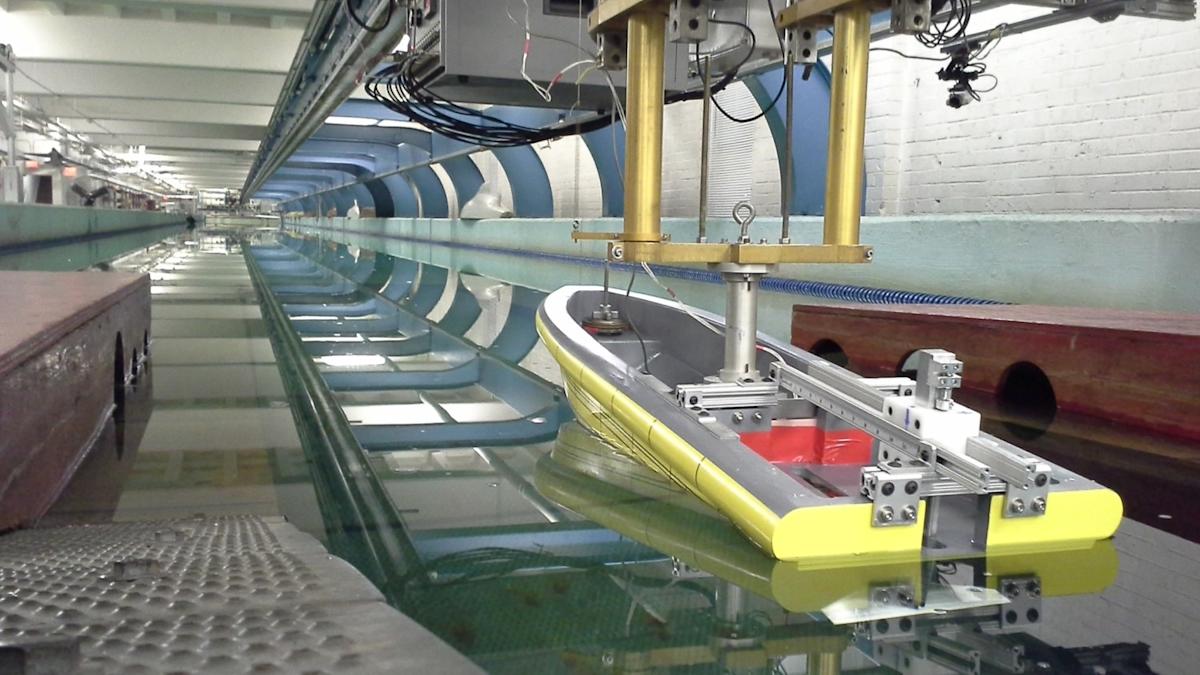
Ocean Engineering at Stevens offers comprehensive education in the design and evaluation of marine systems, including ships, underwater vehicles, offshore platforms, and marine energy converters, as well as the development, maintenance and protection of coastal areas and infrastructure. Students gain specialized knowledge through pathways in naval architecture and marine technology, coastal engineering and resilience, and marine energy, while developing hands-on skills through access to world-class facilities such as the Davidson Laboratory and field-based coastal engineering research assets.
Concentrations
Coastal Engineering
Marine Energy
Naval Engineering
The Stevens Advantage: Hands-On Learning, Real World Experience
At Stevens, you’ll learn to think like an engineer. Our design-focused curriculum features a hands-on course every semester that will instill you with broad, foundational knowledge, the complete fundamentals of engineering, and entrepreneurial thinking. Learn more about what makes an engineering education from Stevens a unique experience:
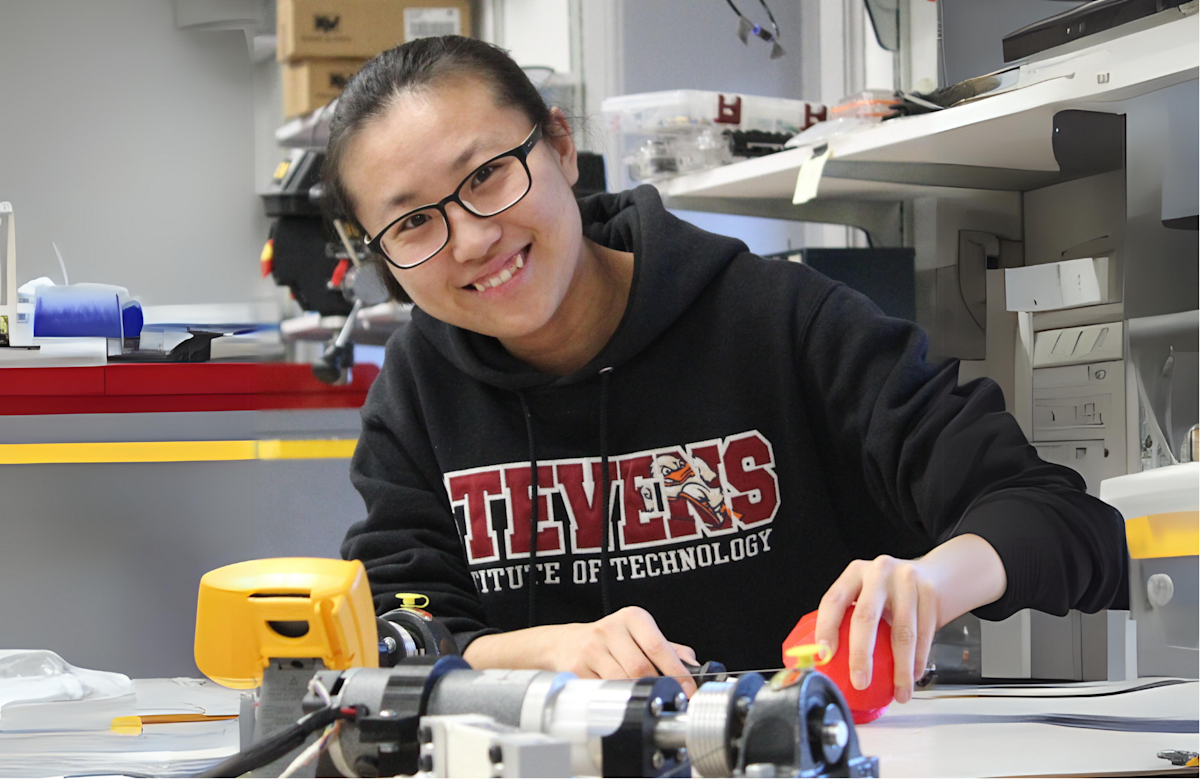
The Design Spine: a unique, design-focused, hands-on course every semester that incorporates entrepreneurial thinking and experiential learning, culminating with Senior Design, a team capstone project working on prototypes for real business problems, potentially in collaboration with a real company
Innovation Expo: an exciting design and entrepreneurship competition where students showcase their senior design prototypes and pitch business ideas
Engineering Cooperative Education Program: nearly 30% of all engineering students participate in Stevens’ Cooperative Education Program where you get on-the-job experience working for real companies
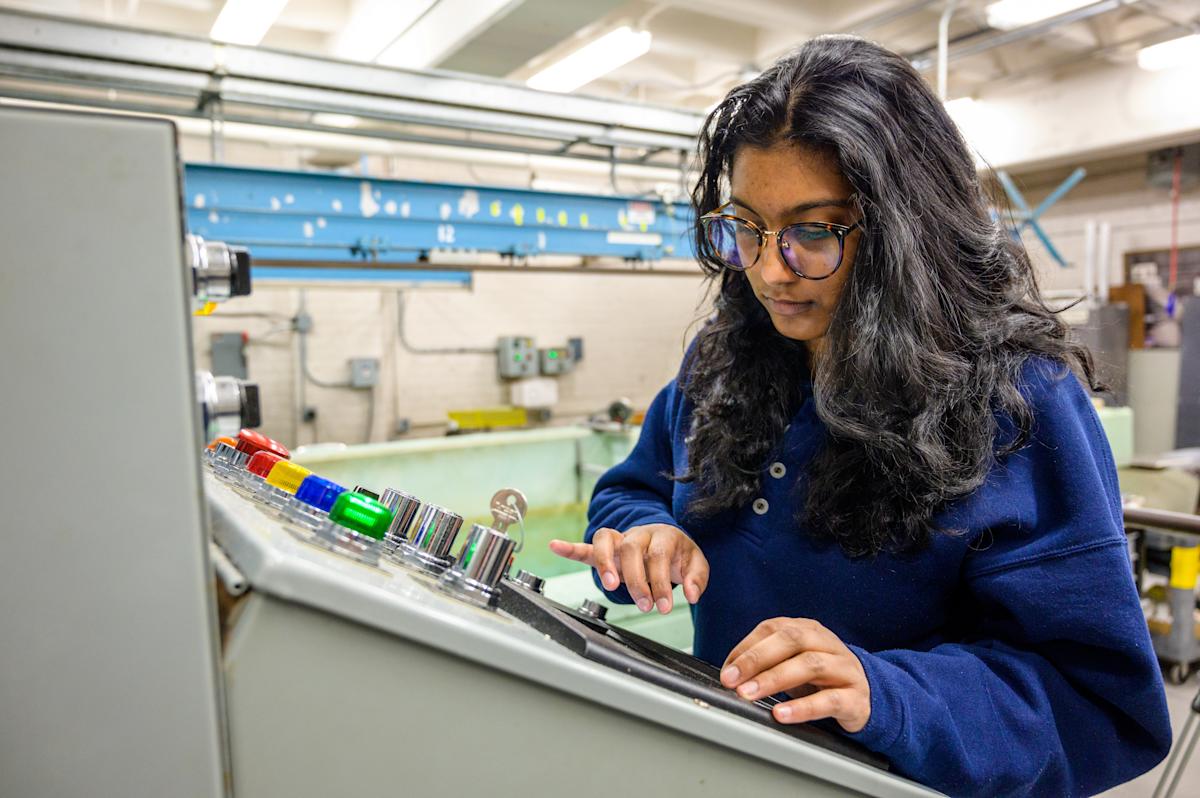
State-of-the-Art Research Labs and Facilities: build, tinker and test your designs in Stevens' MakerCenter, Prototype and Object Fabrication Lab, or numerous other research facilities
Undergraduate Research Opportunities: our research-oriented curriculum gives you in-the-lab experience while you're still an undergraduate student
 More opportunities for Stevens undergraduate students include:
Double count undergraduate course credits toward a graduate degree and earn your master's faster – in just five years through Stevens' Accelerated Master's Program >
See what it's like to be a civil, environmental, or naval engineer at Stevens by visiting the links below.
An ABET Accredited Program
The Bachelor of Engineering in Ocean Engineering program is accredited by the Engineering Accreditation Commission of ABET, https://www.abet.org, under the commission’s General Criteria and the Program Criteria for Environmental and Similarly Named Engineering Programs.
Mission
The Bachelor of Engineering in Ocean Engineering is designed for students passionate about ocean science, coastal resilience, and the blue economy who want to engineer solutions to some of the most pressing challenges facing coastal communities and the maritime industry, including national defense, climate adaptation, and renewable energy. Ideal candidates come from backgrounds or interests such as:
Naval Architecture
Coastal Engineering
Marine Systems Design
Environmental Science & Sustainability
Fluid Dynamics
Structural Engineering
Marine Renewable Energy
Systems Engineering
Program Educational Objectives
To achieve its mission, the ocean engineering program has established the following program educational objectives:
Solve complex problems associated with the ocean environment, applying advanced engineering fundamentals and interdisciplinary tools to real-world challenges in naval, coastal, and marine energy systems.
Be recognized by peers as innovators and leaders in their field, leveraging a strong technical foundation to continuously increase their skills and knowledge in their area of expertise.
Have a positive impact on their workplace through multidisciplinary collaboration, teamwork and leadership with engineers, scientists, policymakers, and industry partners.
Effectively navigate important contextual factors in their careers, including the historical, regulatory, political, policy, economic, ethical and public relations aspects of problems in their discipline.
Many graduates pursue advanced study in civil engineering, systems engineering, consulting, business, law, and other fields.
Student Outcomes
By the time of graduation, students majoring in ocean engineering will have the ability to:
Design and evaluate marine systems — Design and evaluate marine systems — from ships and underwater vehicles to marine energy converters, applying rigorous engineering principles and fluid dynamics fundamentals.
Engineer resilient coastal solutions — Engineer resilient coastal solutions — assess and mitigate the impacts of sea-level rise, storm surge, and coastal flooding through evidence-based structural and environmental design.
Apply naval architecture and structural design — Apply naval architecture and structural design — develop and analyze vessels and offshore structures that meet performance, safety, and regulatory standards.
Harness marine renewable energy — Harness marine renewable energy — design and evaluate ocean-based energy systems that advance U.S. energy goals and complement existing green technologies.
Conduct hands-on research and testing — Conduct hands-on research and testing — leverage world-class facilities including the Davidson Laboratory Tow Tank and Coastal Engineering Research Group field assets to validate engineering solutions.
Collaborate across systems and stakeholders — Collaborate across systems and stakeholders — lead multidisciplinary senior design projects integrating mechanical, systems, software, and business expertise to deliver real-world impact.
Practice responsible and sustainable engineering — Practice responsible and sustainable engineering — incorporate environmental stewardship, regulatory compliance, and ethical considerations into every project lifecycle.
Putting You on Track for Professional Success
 Ocean Engineering Careers
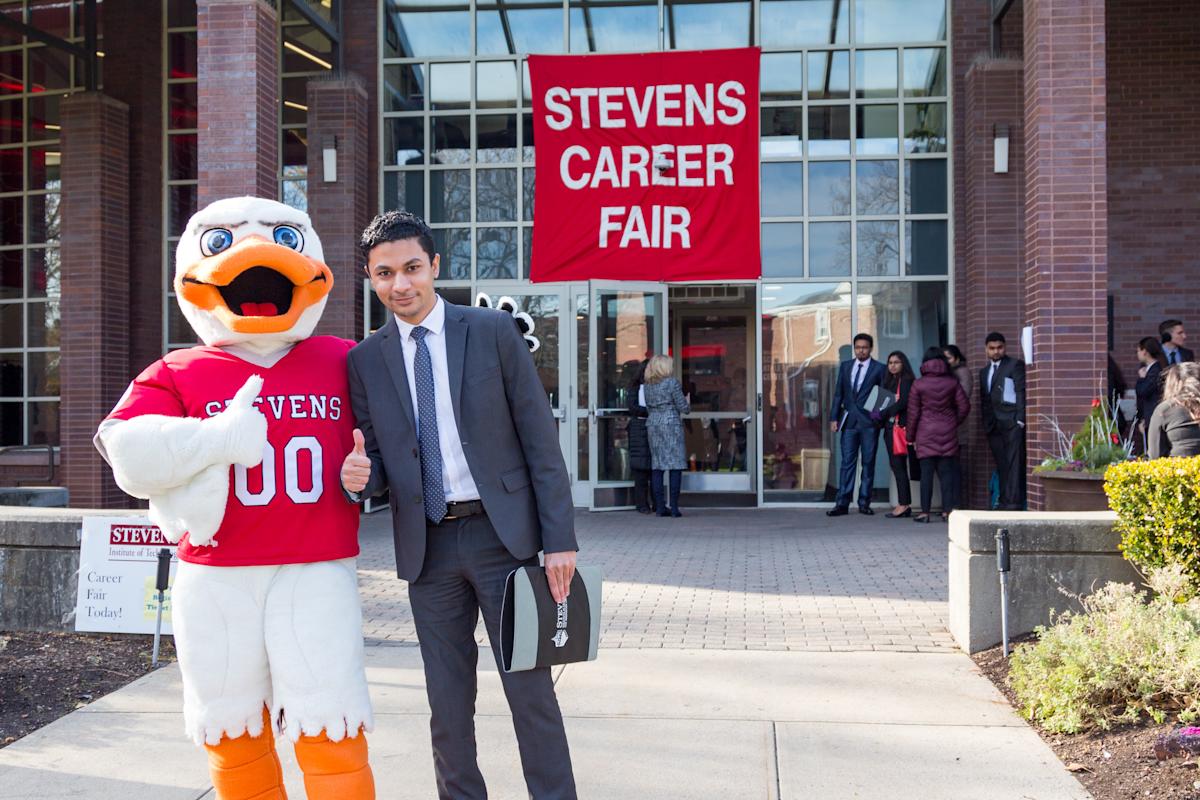
The ocean engineering bachelor’s program develops in-demand knowledge and skills to put you on track for career success. Career opportunities include:
Naval Architect
Marine Engineer
Coastal / Shoreline Engineer
Ocean / Offshore Structures Engineer
Marine Renewable Energy Engineer
Hydrodynamics & Fluid Systems Engineer
Maritime Systems Project Manager
Coastal Resilience & Flood Risk Analyst
Companies Hiring Ocean Engineers:
U.S. Navy, U.S. Army Corps of Engineers, NOAA, Crowley Maritime, General Dynamics, Huntington Ingalls Industries, Jacobs Engineering, AECOM, HDR, Orsted
Undergraduate Programs Facts & Statistics
Related Programs
Bachelor's Degree in Engineering - Naval Engineering Concentration
At Stevens, you’ll develop the foundational skills today’s naval engineers need in one of the nation’s highly regarded engineering programs.
Bachelor's Degree in Civil Engineering
Learn the versatile skill set needed to build a successful career in civil engineering.
Bachelor's Degree in Environmental Engineering
Hone the skills and knowledge necessary to find solutions to today’s most pressing environmental issues.