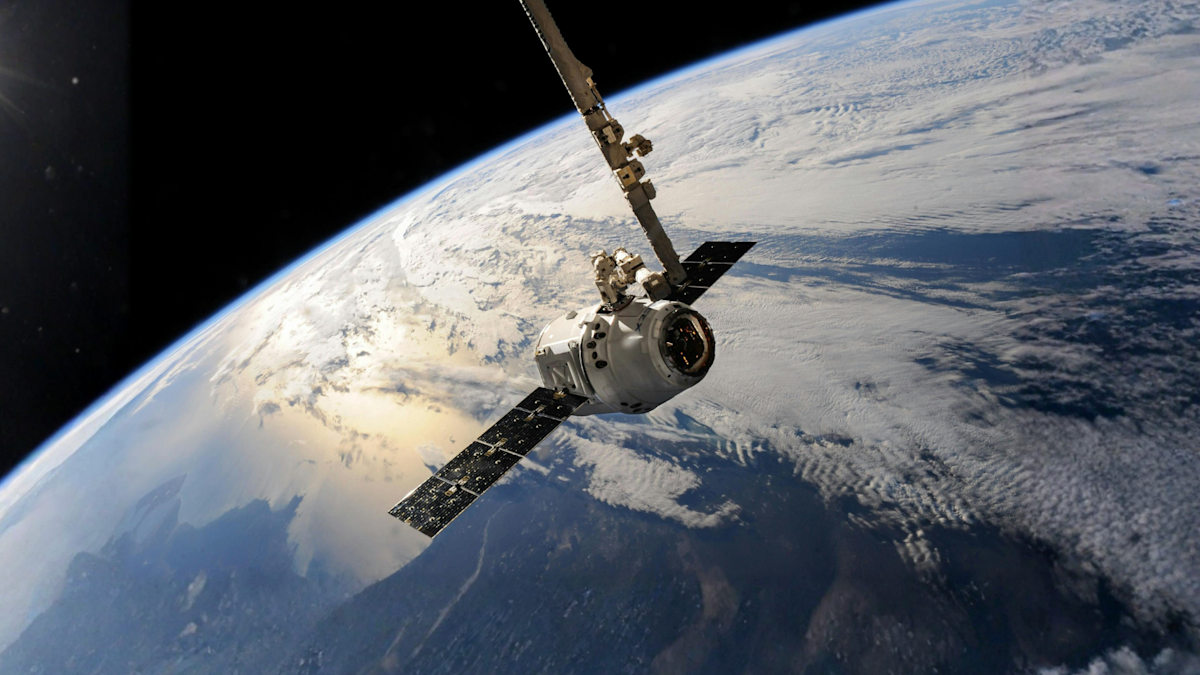
Bachelor's Degree in Aerospace Engineering
Launching Fall 2027
Aerospace engineering is growing at Stevens. Built on the university's a longstanding foundation in mechanical engineering, complemented by faculty-led groundbreaking research in aerospace-related fields, the new Bachelor of Engineering in Aerospace Engineering prepares students to explore the technologies shaping the future of flight and space.
WHY AEROSPACE AT STEVENS?
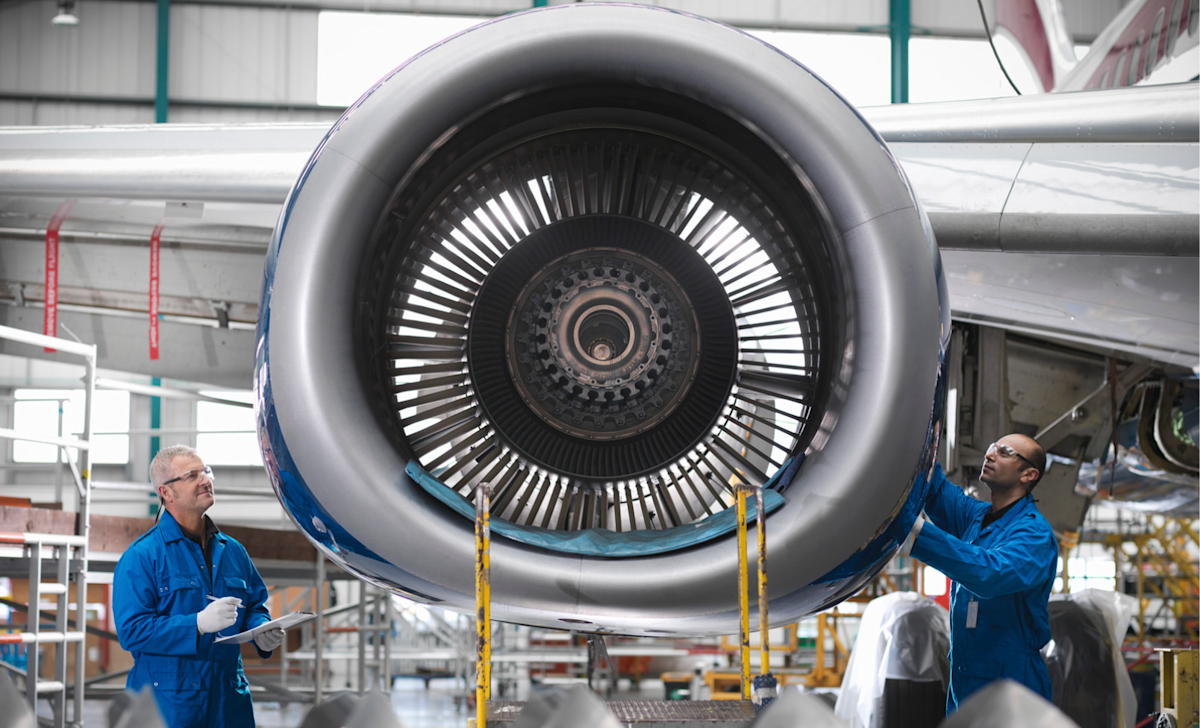 Aerospace engineering is growing at Stevens at the intersection of mechanical engineering and emerging technologies. The Department of Mechanical Engineering's faculty research spans hypersonics, autonomous systems, dynamic controls and artificial intelligence, with collaborations involving NASA, national laboratories and military research centers.
Students can engage in research and projects while working across disciplines including robotics, autonomy and AI. From a shock tunnel simulating flight speeds up to Mach 6 to NASA partnerships and student challenges, Stevens is building a strong foundation for the next generation of aerospace engineers.
COURSE CATALOG COMING SOON
What You'll Study
The program combines mechanical engineering fundamentals with specialized aerospace coursework in:
Aerodynamics
Propulsion systems
Flight dynamics and control
Aerospace structures
Aircraft and spacecraft design
Modeling and simulation
Students will also complete aerospace design and senior capstone experiences focused on designing, building and testing aerospace systems.
Research + Experience
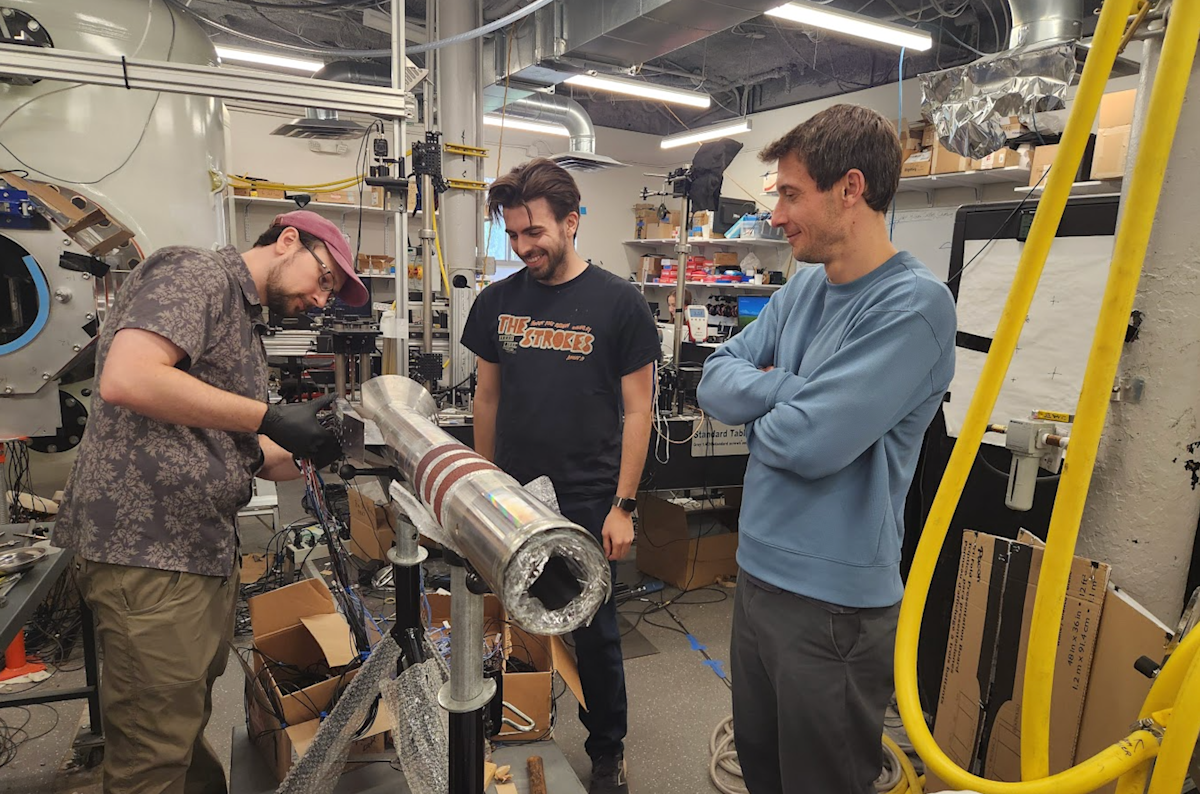 At Stevens, aerospace engineering extends beyond the classroom.
Students can work alongside faculty on research and gain experience with aerospace testing and design. Mechanical Engineering faculty Nick Parziale, a 2024 Presidential Early Career Award recipient and 2026 AIAA Aerodynamic Measurement Technology Innovation Award recipient, and Jason Rabinovitch, an AIAA Associate Fellow and former Jet Propulsion Laboratory engineer, lead research spanning hypersonics, fluid dynamics, UAVs and space systems.
Examples include experiments in a specialized shock tunnel that simulates flight speeds up to Mach 6, as well as research involving autonomous technologies.
Putting You on Track for Professional Success
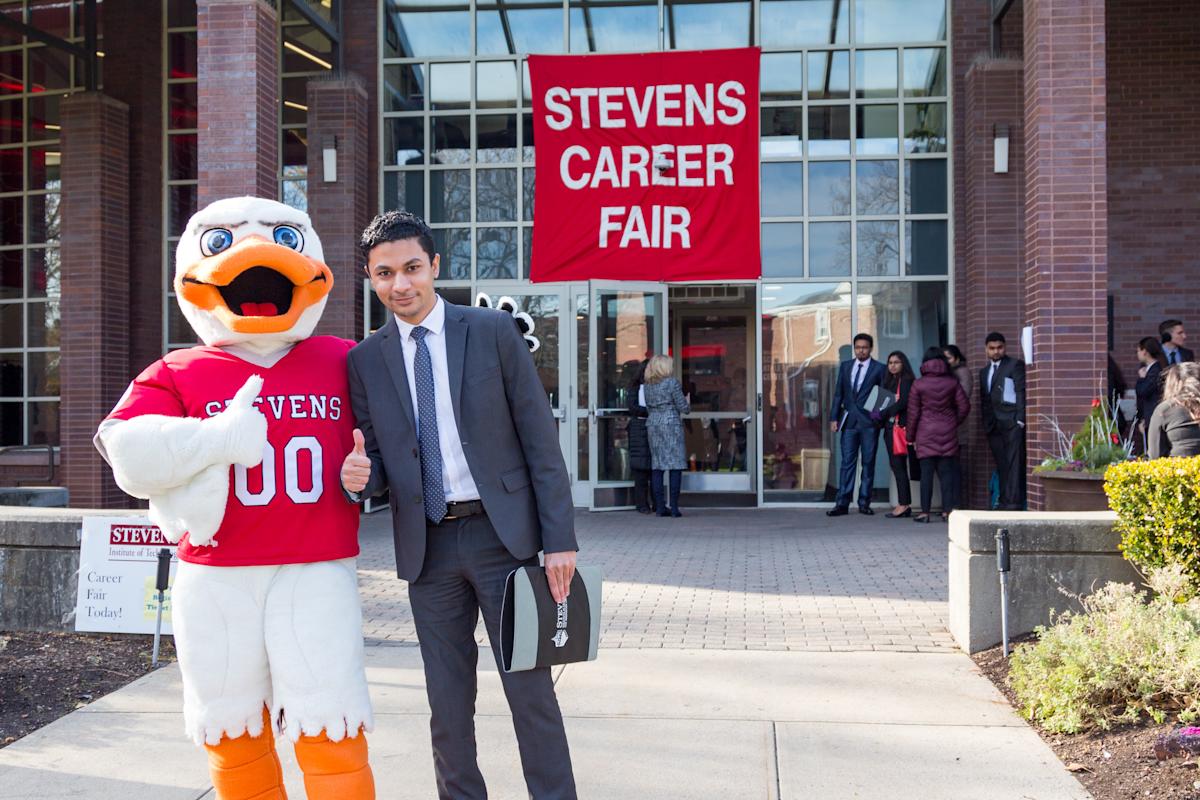 The Aerospace Engineering bachelor's program develops in-demand knowledge and skills to put you on track for success in a wide variety of roles like:
Aerospace Engineer
Propulsion Engineer / Propulsion Systems Analyst
Structural / Structural Dynamics Engineer
Aerodynamics Engineer
Avionics Engineer
GNC Engineer (Guidance, Navigation & Control)
Systems Engineer (aerospace/space)
Test Engineer
Flight Hardware Engineer
Mechanical Engineer (aerospace/space)
These emerging roles are being hired by: Boeing, Lockheed Martin, Northrop Grumman, Raytheon Technologies (RTX), NASA, SpaceX, Blue Origin, General Dynamics, Honeywell Aerospace, BAE Systems
Aerospace Engineering: A Field on the Rise
Build What's Next

I think it’s important to expose students to things that seem like purely sci-fi and explain some basic physics that can serve as the catalyst for discovery and lead to the next major breakthrough.
Daanish Maqbool
Associate Professor of Practice and Director of the Aerospace Program
I think it’s important to expose students to things that seem like purely sci-fi and explain some basic physics that can serve as the catalyst for discovery and lead to the next major breakthrough.
Daanish Maqbool
Associate Professor of Practice and Director of the Aerospace Program
I think it’s important to expose students to things that seem like purely sci-fi and explain some basic physics that can serve as the catalyst for discovery and lead to the next major breakthrough.
Daanish Maqbool
Associate Professor of Practice and Director of the Aerospace Program
Related Programs
Master's in Aerospace Engineering
Engineer the technologies that push the boundaries of flight, space and defense
Graduate Certificate in Aerospace Engineering
Build a strong foundation in aerospace engineering with studies in fluids, structures, and control systems.