Master's in Aerospace Engineering
Program Details
Degree
Master of Engineering or Master of ScienceDepartment
Mechanical EngineeringAvailable
On CampusEngineer the technologies that push the boundaries of flight, space and defense
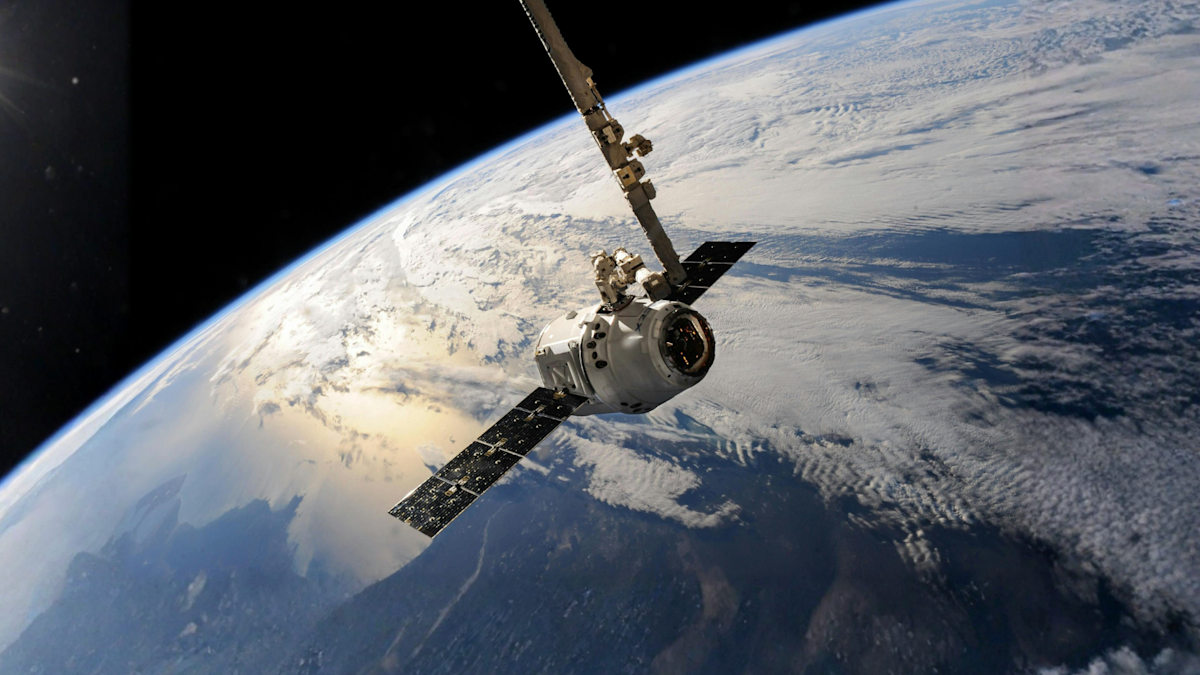
The Master's in Aerospace Engineering at Stevens gives you rigorous graduate-level training in the core disciplines that drive the aerospace, defense, and space industries — fluid mechanics, solid mechanics, control theory, and space mission design — integrated with modern applications in aerodynamics, propulsion, space systems, and AI-enabled engineering analysis.
You'll learn to design, analyze, and optimize real aerospace systems — aircraft, spacecraft, satellites, and propulsion systems — using the computational and analytical tools aerospace engineers rely on every day.
Graduates go on to careers in the aerospace, defense and space sectors — including roles in space exploration and national security — or continue to Ph.D. programs. Two degree options are available: the practice-oriented Master of Engineering and the research-focused Master of Science, both launching Fall 2026.
Why Stevens?
Stevens faculty are advancing aerospace research in hypersonics, robotics, controls, autonomy, and AI — with collaborations across NASA, national laboratories, and military research centers. Students learn from faculty actively pushing the field forward and contributing to that work, engaging multidisciplinary problems at the intersection of aerospace, robotics, and intelligent technologies.
COURSE CATALOG COMING SOON
Core courses to include:
Engineering Analysis
Introduction to Aerospace Engineering
Compressible Fluids in Aerospace Engineering
Introduction to Modern Control Engineering
Advanced Mechanics of Solids
Designing Space Missions and Systems
Who should consider this program?
Recent graduates and early-career engineers with a B.S. in mechanical engineering, aerospace engineering or a related field — such as applied physics, civil/structural engineering, electrical engineering with controls, or materials — seeking focused graduate preparation for aerospace careers or a pathway to a Ph.D.
Working professionals in aerospace, defense, space systems, robotics, or advanced manufacturing who want to deepen their expertise or move into roles in areas like CFD, structural analysis, propulsion, guidance and control, or space mission engineering.
Program Objectives
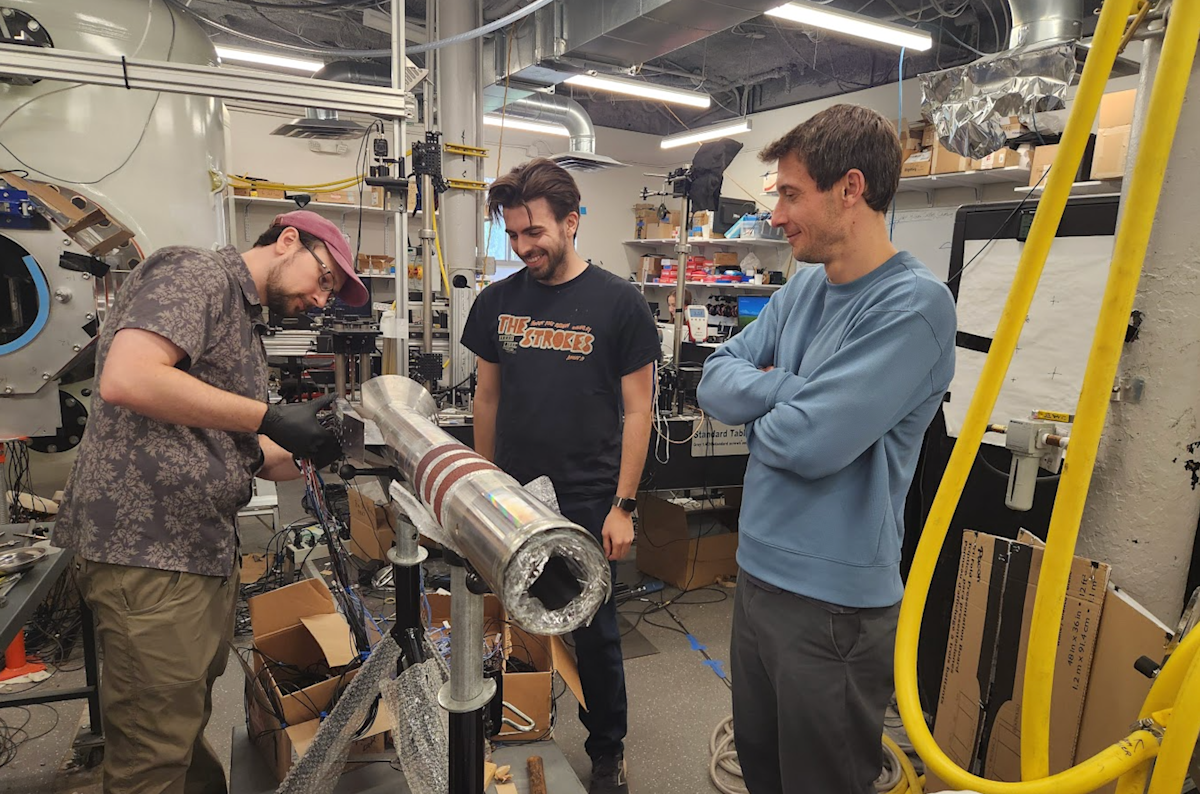 Advance as Practicing Aerospace Engineers
Apply deep technical expertise to the design and improvement of aerospace systems across academia, industry, government, and defense.
Lead Multidisciplinary Teams
Contribute to multidisciplinary teams where aerospace intersects with robotics, autonomy, and AI — tackling complex challenges across aircraft, spacecraft, and propulsion systems.
Innovate with Advanced Methods
Use analytical, computational, and data-driven methods to develop high-performance, safe, and reliable aerospace technologies.
Engage Ethically and with Societal Awareness
Apply the full responsibilities of the profession to aerospace missions involving safety, national security, and space exploration.
Learning Outcomes
Graduates from this program will be able to:
Analyze and Optimize Aerospace Structures
Apply Advanced Fluid Dynamics
Model Dynamic Response and Vibration
Design Guidance, Navigation, and Control Systems
Solve Complex, Cross-Disciplinary Problems
Evaluate Safety, Ethics, and Societal Impact
Conduct Independent Research (Master's of Science)
Graduate Programs That Advance Your Career
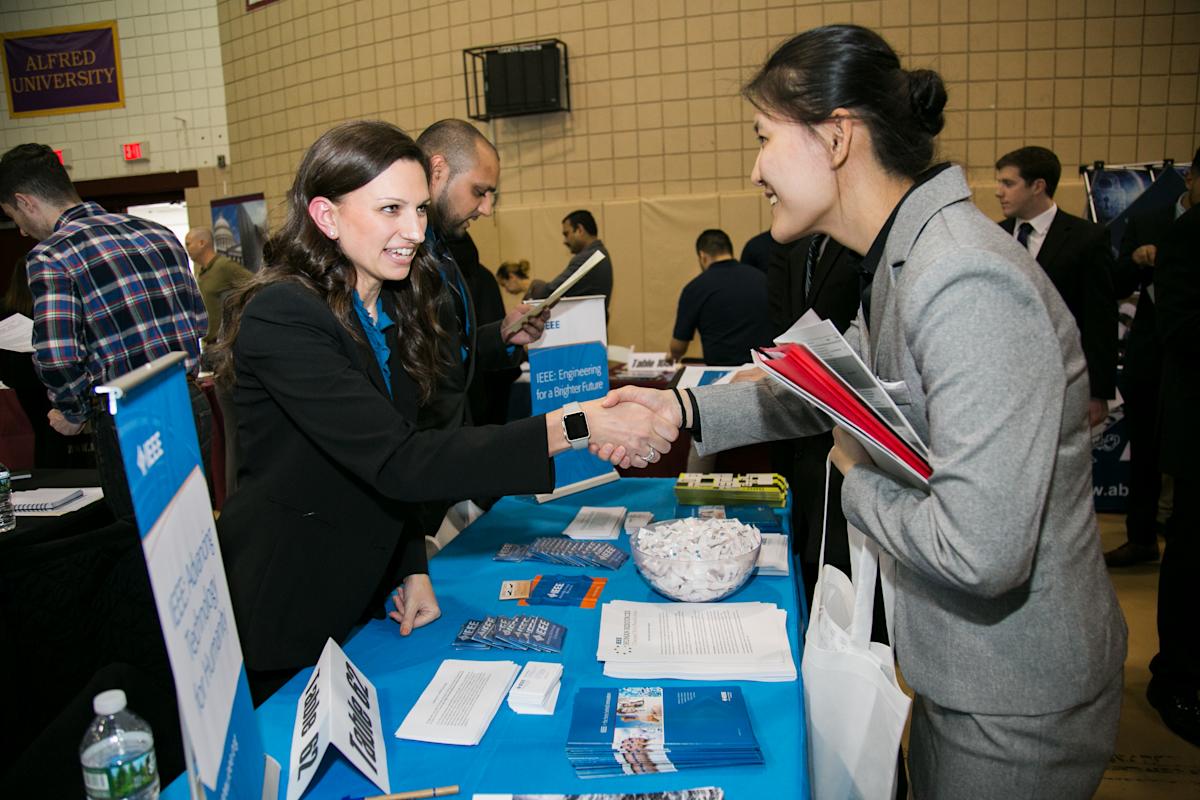 The Aerospace Engineering master's program develops in-demand knowledge and skills to put you on track for success in a wide variety of roles like:
Aerospace Engineer
Propulsion Engineer / Propulsion Systems Analyst
Structural / Structural Dynamics Engineer
Aerodynamics Engineer
Avionics Engineer
GNC Engineer (Guidance, Navigation & Control)
Systems Engineer (aerospace/space)
Test Engineer
Flight Hardware Engineer
Mechanical Engineer (aerospace/space)
These emerging roles are being hired by: Boeing, Lockheed Martin, Northrop Grumman, Raytheon Technologies (RTX), NASA, SpaceX, Blue Origin, General Dynamics, Honeywell Aerospace, BAE Systems
The Stevens Advantage: Widen Your Career Options
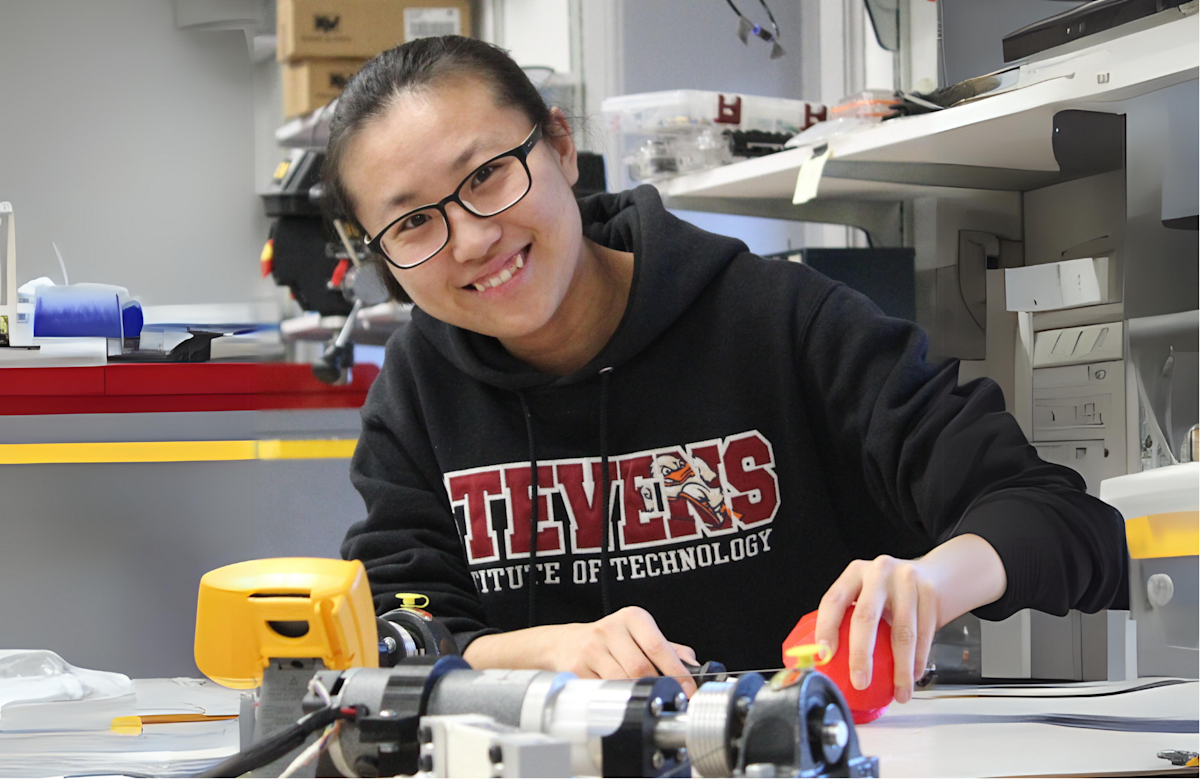 To compete in today’s career climate, graduates must adapt to rapidly-evolving technologies impacting all corners of the job market, like generative AI. At Stevens, you’ll learn the in-demand skills you need to fill the talent gap. Our core curriculum – infused with AI electives and hands-on education opportunities – develops the deep expertise, critical thinking, interdisciplinary collaboration, and entrepreneurial savvy required to thrive in a technologically disrupted marketplace.
Stevens’ Hoboken, N.J., location boasts easy access to both Manhattan and the New Jersey innovation corridor, offering students ample opportunities for collaboration, networking and eventual employment opportunities. You can also pursue a dual degree track, earning an MBA from the Stevens School of Business as you complete your mechanical engineering master’s program.
Learn more about what makes an engineering education from Stevens a unique experience:
Core AI Curriculum: To help build the next iteration of an AI-competent workforce, our standard graduate curricula is infused with core and elective artificial intelligence courses.
Graduate Cooperative Education Program: Available with two tracks, your co-op experience can serve as a starting point for a research project or augment your on-campus research with complimentary experience.
International Student Experience: Tap into our expanding worldwide network of research, academic and alumni partners and mentor with our expert faculty in a number of federally-designated STEM degree programs. Optional Practical Training (OPT) or Curricular Practical Training (CPT) is available to gain work experience in your major/field of study.
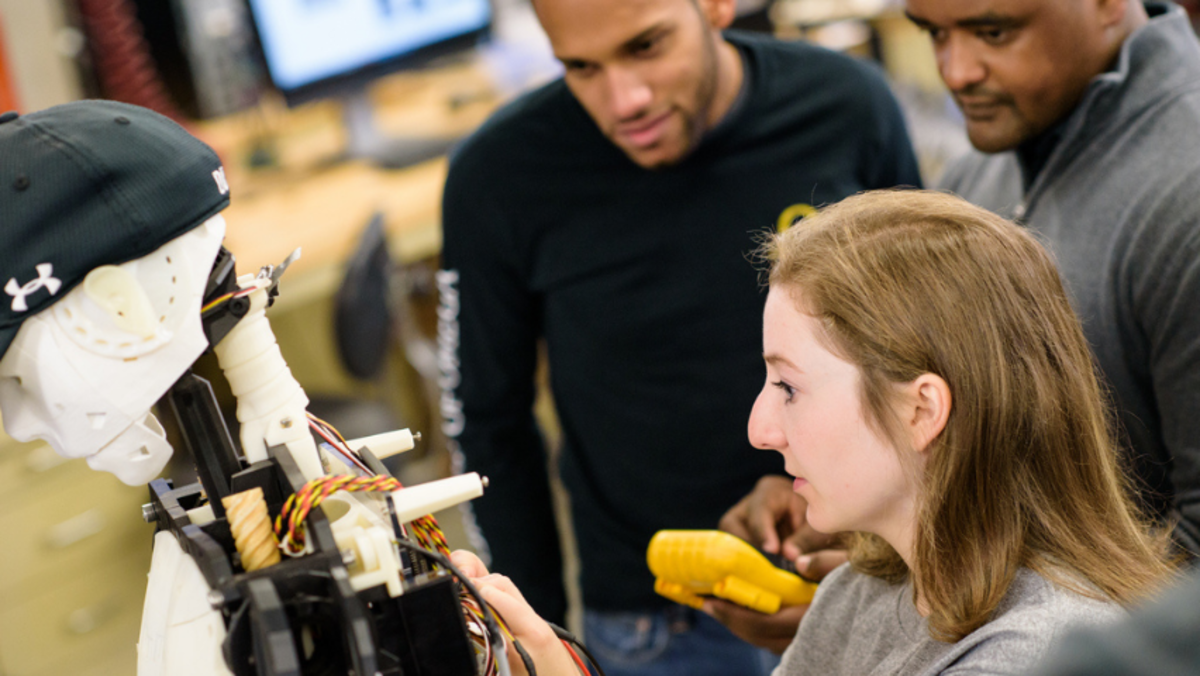
State-of-the-Art Research Labs and Facilities: Build, tinker and test your designs in Stevens' MakerCenter, Prototype and Object Fabrication Lab, or numerous other research facilities.
Research Opportunities: Renowned faculty, labs and research centers – as well as industry partnerships and funding from leading national agencies – support strategic and interdisciplinary research in engineering and science.
 More opportunities for Stevens graduate students include:
Optional research or clinical thesis
Credit for on-the-job projects with your current employer
Extensive hands-on laboratory experience
Research with clinical collaborators
Find out more about life as a graduate student in the Department of Mechanical Engineering at Stevens by visiting the links below.
Program Admission Requirements
Requirements
Transcripts from all post-secondary institutions attended
Two letters of recommendation (academic or professional only)
Statement of Purpose
$60 non-refundable Application Fee
Proof of English language proficiency
GRE/GMAT test score(s) -- (Optional); applicants who believe their GRE/GMAT scores demonstrate potential for success in graduate program may elect to submit those scores.
For more complete details, visit our General Admissions Requirements page.
Fellowships & Assistantships
Information about assistantships and fellowships:
STEM Designated Degree Programs
The four fields comprising STEM – science, technology, engineering and mathematics – offer a wide variety of professions that are classified as some of the highest-growing and highest-paying jobs right now and in the future.
And for international students, the demand for STEM-related professionals in the United States can open the door for an extended stay.
An ever-growing list of eligible programs across all levels is available here.
Aerospace Engineering: A Field on the Rise
Related Programs
Master's Degree in Robotics
Gain in-demand robotics skills that can make a global impact with a degree from one of the country’s top online graduate engineering programs.
Master's Degree in Mechanical Engineering
Gain the expertise in research, design, production and testing you need to set yourself apart in the increasingly competitive mechanical engineering field.
Master's Degree in Space Systems Engineering
Engineer the future of space with a Master of Engineering in Space Systems Engineering at Stevens.