What Pre-College Business Programs Actually Do – And Don't Do
Most students don’t get to experience college until they’ve arrived, filled with nerves, in their first class of their first year. Pre-college programs exist to fill this gap.
Whether it's a single intensive week or a multi-week deep dive, these programs give motivated high school students the chance to step into a genuine collegiate experience early, while there's still time to act on what they learn. Rather than guessing about a college or major based solely on academic catalogs or reviews, these programs allow participants to walk away with first-hand information to make a more informed, confident decision about what comes next.
Like any tool, pre-college programs work best when students and families understand both their strengths and their limits.
What Pre-College Programs Do
Experiencing What College is Like
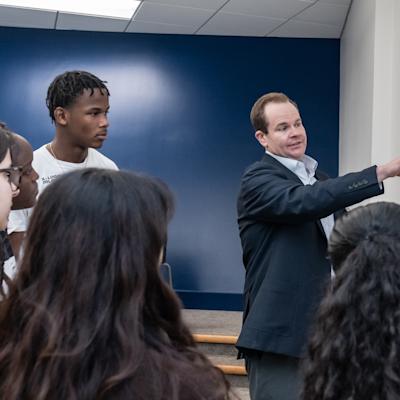
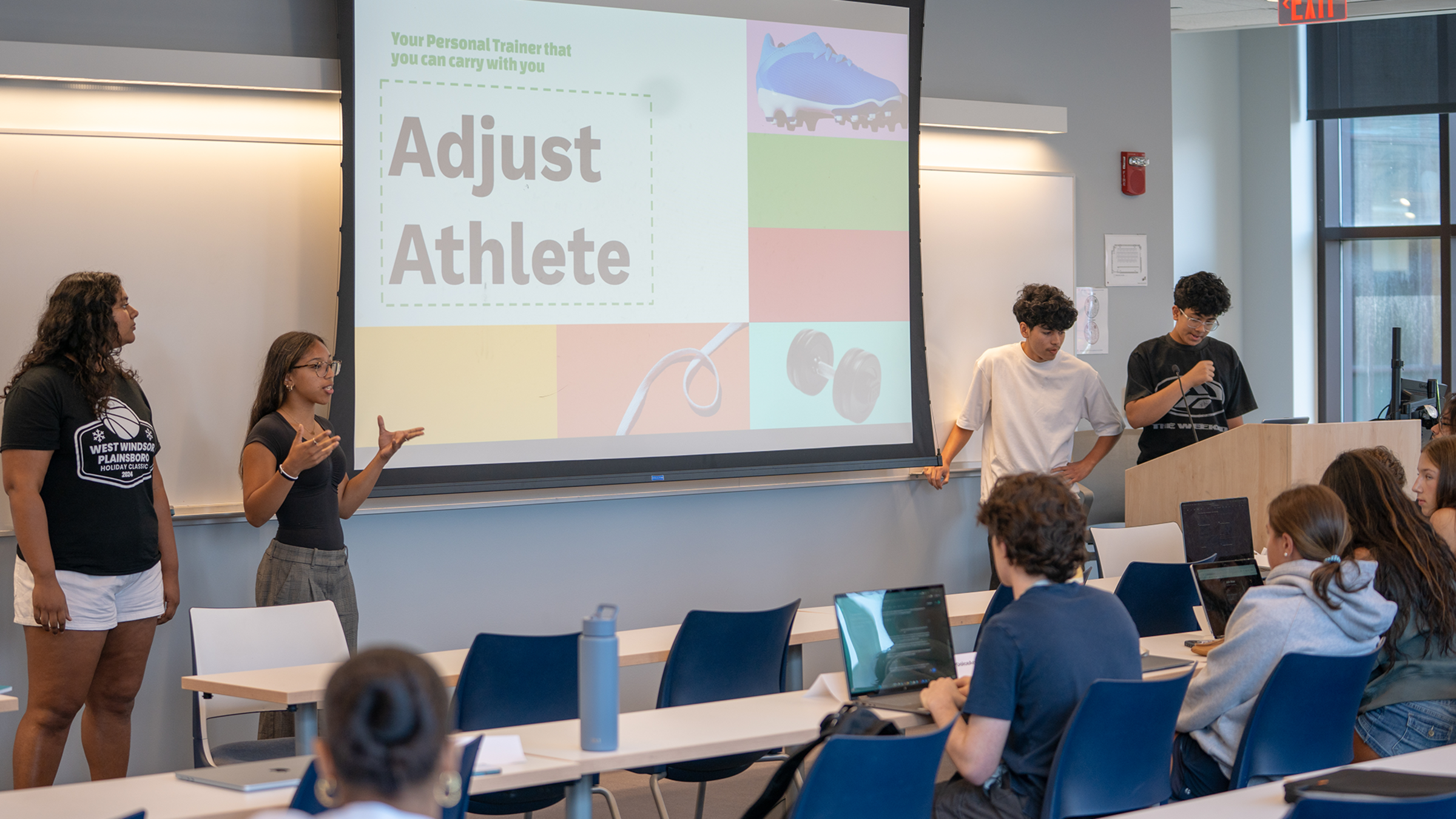
Perhaps the most obvious benefit, it’s also one of the most important. While brochures and campus tours let you see a university, a pre-college program lets you experience it. Participants gain new, personal experiences through the lens of a student. For example, the Stevens School of Business offers two campus-based commuter programs: Business & AI and Leadership. These programs give participants the chance to become a Duck for a week, getting hands-on time in the same facilities current students use, participating in college-style lectures that engage one’s intellectual curiosity and working directly with faculty on real projects around relevant business topics.
Exposure to or Validating Interest in a Subject or Major
Maybe a participant is dead set on a major. Maybe they have a direction in mind but aren’t entirely sure if it’s what they want to do. No matter where someone falls on that spectrum, a pre-college program gives participants a more in-depth, honest look at what a specific academic topic or curriculum is like. It’s a low-pressure way for participants to test or explore their interests before they’ve built an entire college search around them, helping to refine the process with a clearer, more defined goal based on first-hand knowledge.
Building Real Skills
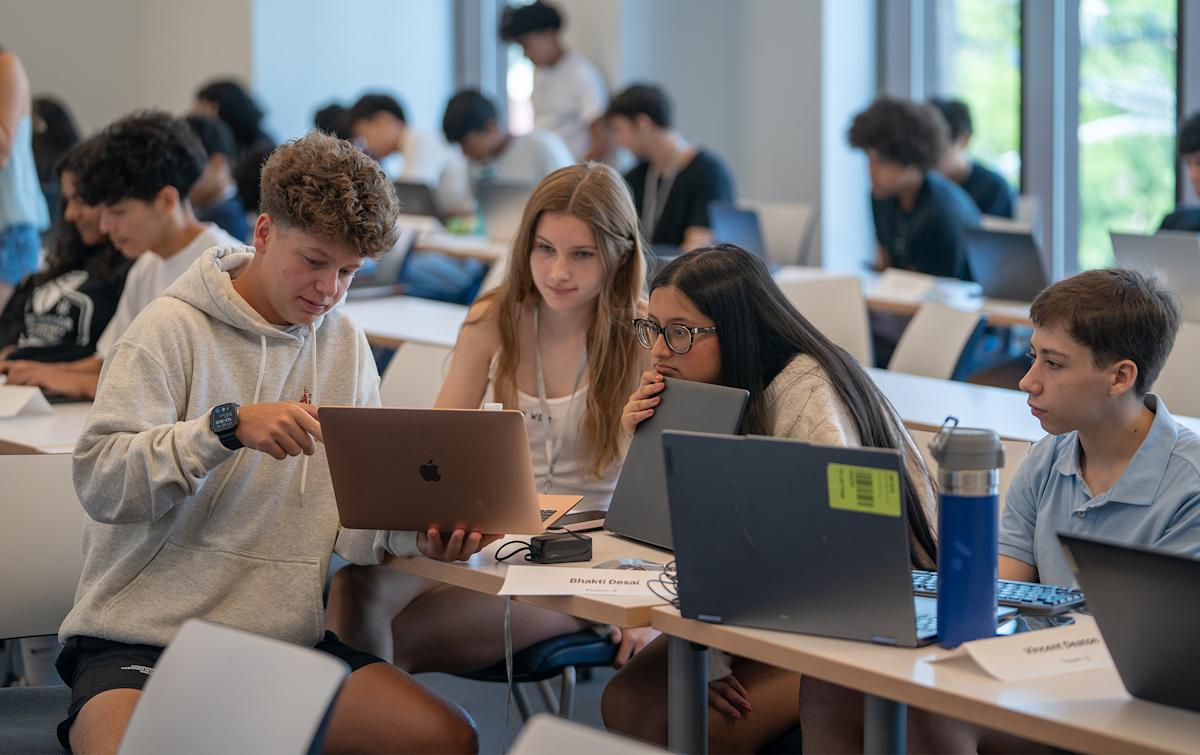 While pre-college programs allow participants to step into the shoes of a college student, they are also a great way of building practical skills that can be used beyond the program. School of Business pre-college programs expose participants to a variety of key business skills:
Business & AI (Commuter) – develop skills in AI (business context), teamwork, prototyping and app building.
LeadX: Tech-Empowered Leadership (Commuter) – foster competencies in leadership, management and communication.
Finance and Investing: 1-Week Intensive Virtual Bootcamp – learn fundamentals of investing through equity analysis, risk management and portfolio diversification while working toward earning S&P certificates such as Capital IQ Pro 101 and Pro 201, Banking 101 and Ratings Direct® 101.
Quantitative Finance: 4-Week Virtual Summer Research Experience – acquire quantitative finance concepts and data-driven decision-making skills with the opportunity to earn a Bloomberg Market Concepts certification and Capital IQ certification.
Testing Fit
Getting experience on a college campus, exploring a major and building practical skills are all important pieces on their own, but together, they help participants evaluate overall fit. Are classes taught well by engaging faculty? Is the curriculum rigorous enough? Do I like where the campus is located? What would my peers be like here? While some of this information can certainly be found online or by talking to an admissions counselor, there is strong value in participants being able to determine this information for themselves.
Virtual Programs Extend Access
Not every student can travel to visit a campus to participate in a pre-college program. That shouldn’t mean missing out on an important opportunity. Virtual programs are ideal for extending that access. The Stevens School of Business hosts two virtual research programs that do just this for students around the world. The Finance and Investing: One-Week Intensive Virtual Bootcamp and the Quantitative Finance: Four-Week Virtual Summer Research Program ensure participants still benefit from interaction sessions with faculty, get exposure to the curriculum by participating in project-based learning and engage in peer collaboration. While participants may not get the full nuance of what it’s like physically being a student on campus, these programs still help test the fit, provide exposure to a topic and build tangible skills at the pace of a college-level program.
What Pre-College Programs Don’t Do
While these programs have a lot of great benefits, some misconceptions can lead to a bad experience or expectations that fall short for participants and families.
Program Acceptance Doesn’t Guarantee Admission
Getting into a pre-college program at a university you're hoping to attend is genuinely exciting, and it can feel like a meaningful first step. Still, it's important to keep expectations grounded. Admission into a pre-college program runs on different criteria and a different level of competitiveness than admission into that university's actual undergraduate program and major. Most schools treat the two as entirely separate processes. Completing one of these programs doesn't shortcut the college application process. Prospective students still need to maintain strong academic performance, write compelling essays, secure letters of recommendation and meet whatever admissions criteria is put in place.
Programs Don’t Replace Actual Undergraduate Education
 Pre-college programs are excellent for exposure to campus life, confirming interests, learning new material and building skills, but a one- to four-week program covers only a small fraction of a full undergraduate education. These programs aren't designed to master a subject. Instead, they're designed to give participants real, hands-on experience with it. A certificate of completion or earning an industry certification – like the Bloomberg Markets Concept – is a meaningful addition to a resume or application, but it isn't equivalent to earning a bachelor's degree, and it won't qualify participants for jobs or advanced coursework that requires one.
Other Ways of Getting Engaged
Most pre-college programs are offered over the summer when many students are on breaks and have the time to focus on really applying themselves to make the most of a program. For students who are looking to engage with pre-college programming beyond the traditional timeframe, the School of Business hosts programming at different times of the year.
Trading Day
Each spring, Stevens Trading Day invites high school sophomores and juniors from around the world to gain exposure to or apply their budding stock trading skills in a month-long virtual investing competition. Each participant manages a simulated equities portfolio, while also learning about key investing concepts from School of Business faculty members. All participants receive a certificate for their involvement. Those with the top 25 portfolios are invited to our campus to compete in the live finals inside our Hanlon Financial Systems Center.
High School Entrepreneurship and Artificial Intelligence Video Pitch Competition
As more companies and organizations integrate and deploy AI across their operations and products, some of the most ambitious ideas about how to use this tech are coming from younger generations that have grown up with it. Our High School Entrepreneurship and Artificial Intelligence Video Pitch Competition gives high school students in grades 9–11 a chance to demonstrate how they blend entrepreneurship and AI. Participants identify a problem, pitch an AI-driven solution and make a business case for their idea in a 2-minute video pitch.
Wherever a student is in their college search, pre-college programs have real benefits to offer. The key is knowing exactly what those benefits are – and aren’t – before signing up.