Paul Porzio ’77 turned his obsession with rocketry, passion for music and skill at running a tight program into a highly successful — and varied — career.
Paul Porzio ’77 was five years old when he watched Alan B. Shepard’s 1961 Mercury-Redstone flight and dramatic Freedom 7 landing live on national television. Less than a year later, he received a Crystal Radio kit. To say that these two events had an impact on Porzio’s future would be quite the understatement.
“Don’t ask me why, but I got this idea that I could have my own radio station,” he says. “By 5th grade I was drawing plans to build a radio station in my backyard in Brooklyn. My neighbor and best friend was an electronics prodigy, and when we were 16, we created a pirate radio station for the block!”
As a child of the space age, Porzio also dreamed of becoming an astronaut. When he chose Stevens to study mechanical engineering, he enrolled in the U.S. Air Force Reserve Officers' Training Corps (ROTC) program as well. “This was my path to becoming a pilot,” he explains.
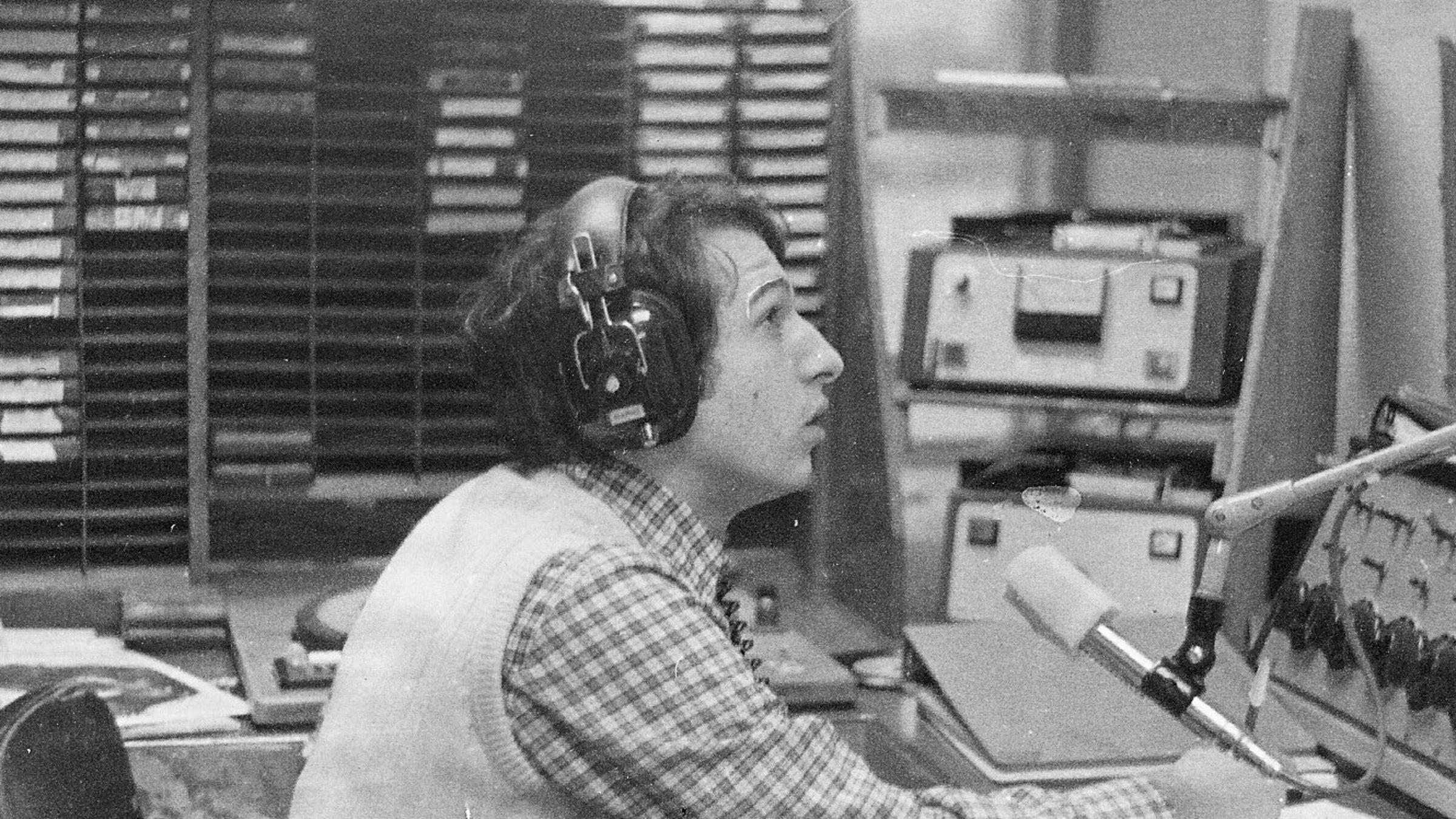
Studying engineering didn’t mean giving up his passion for radio. When Porzio learned about Castle Point Radio — WCPR — he made a beeline for the studio. He passed his board test and became a DJ. “A lot of students involved with the station treated it as a hobby, but I saw it as more than that,” he says. “The station had an amazing vinyl collection. I became music director and was later elected program director.”
“I tried to run a tight station,” Porzio continues. “But there was also a great sense of camaraderie. By 1977, we held an around-the-clock radiothon to raise funds for a campus project, and the following year to support muscular dystrophy. All-nighters were common. Were we tired? Yes. Were we having a blast? Also yes.”
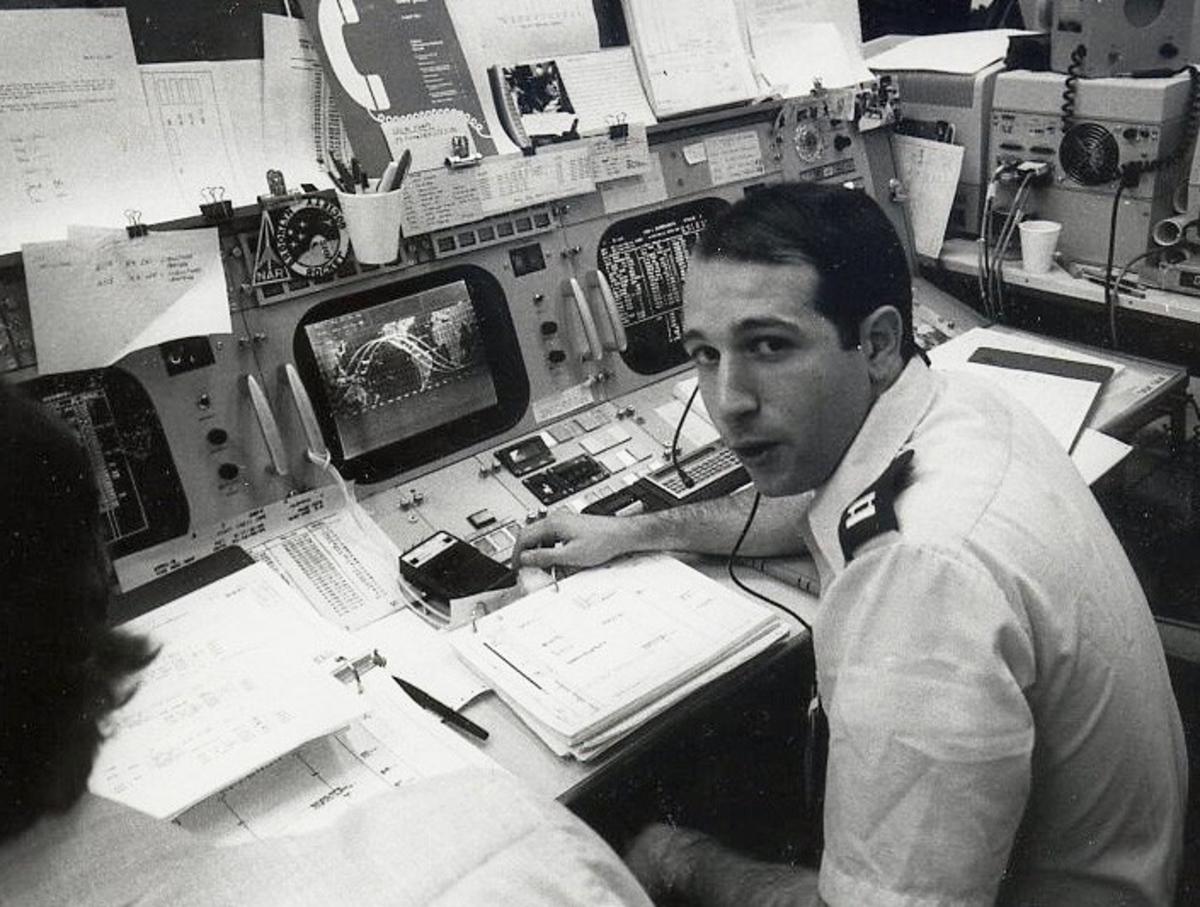
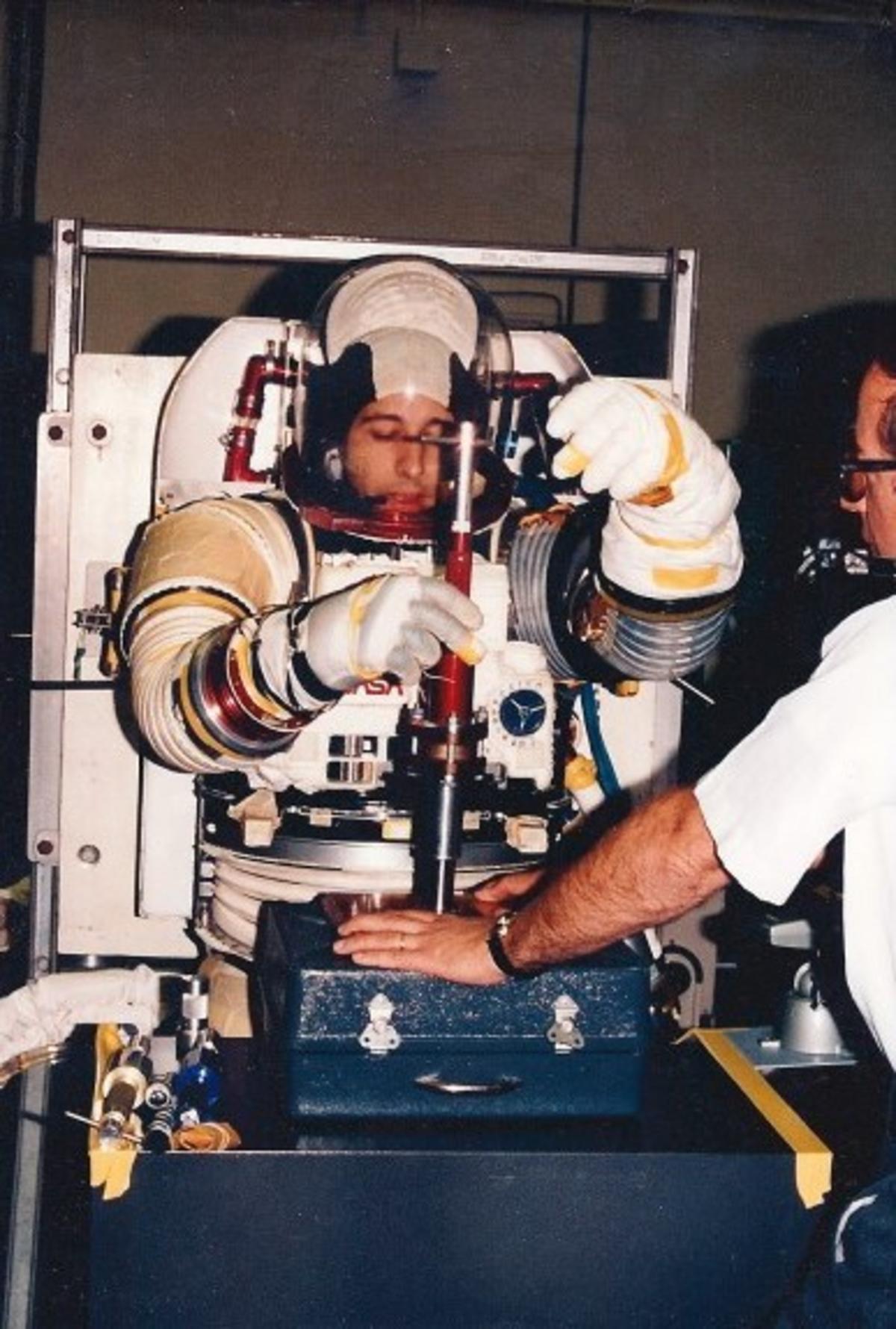
After completing his degree in mechanical engineering, Porzio joined the U.S. Air Force Space Division. “I was a project manager for the shuttle program,” he says. “My team developed experiments to measure various aspects of the payload environment — acoustics, temperature and contamination in the shuttle cargo bay. Eventually I was detailed to NASA headquarters as a program manager. For two missions I had a seat at mission control!”
Porzio’s NASA role took him to an assignment in Cape Canaveral, Florida. Still a music fan at heart, he searched for — and found — radio programming to suit his tastes: FM Odyssey, a Sunday morning program aired by WFIT. “It was the kind of show I would do,” he says. “Then I learned that the host/producer was also from the New York City area, so I reached out. He invited me to help produce the show.”
“It wasn’t as easy to do interviews back then,” Porzio points out. “We caught up with artists at various venues and sent the recordings to Florida for airing. We did an interview with Laura Nyro, not long before her death. We piped it up to the public radio satellite system and it was aired on 60 stations. FM Odyssey began airing regularly on dozens of stations.”
After retiring from the military, Porzio took his contract and project management knowledge on the road as an instructor for BAE Systems. One of his clients was U.S. Citizenship and Immigration Services (USCIS). “I returned to Washington, D.C. and finished my engineering career as the project manager for the USCIS system that prints Green Cards,” he says. “You usually don’t think about it, but there are many disciplines involved in the production of secure ID cards.”
Once re-settled in northern Virginia, Porzio learned about Fairfax Public Access. In a move that echoed his first days at Castle Point, Porzio took a board test and was approved for his own show.
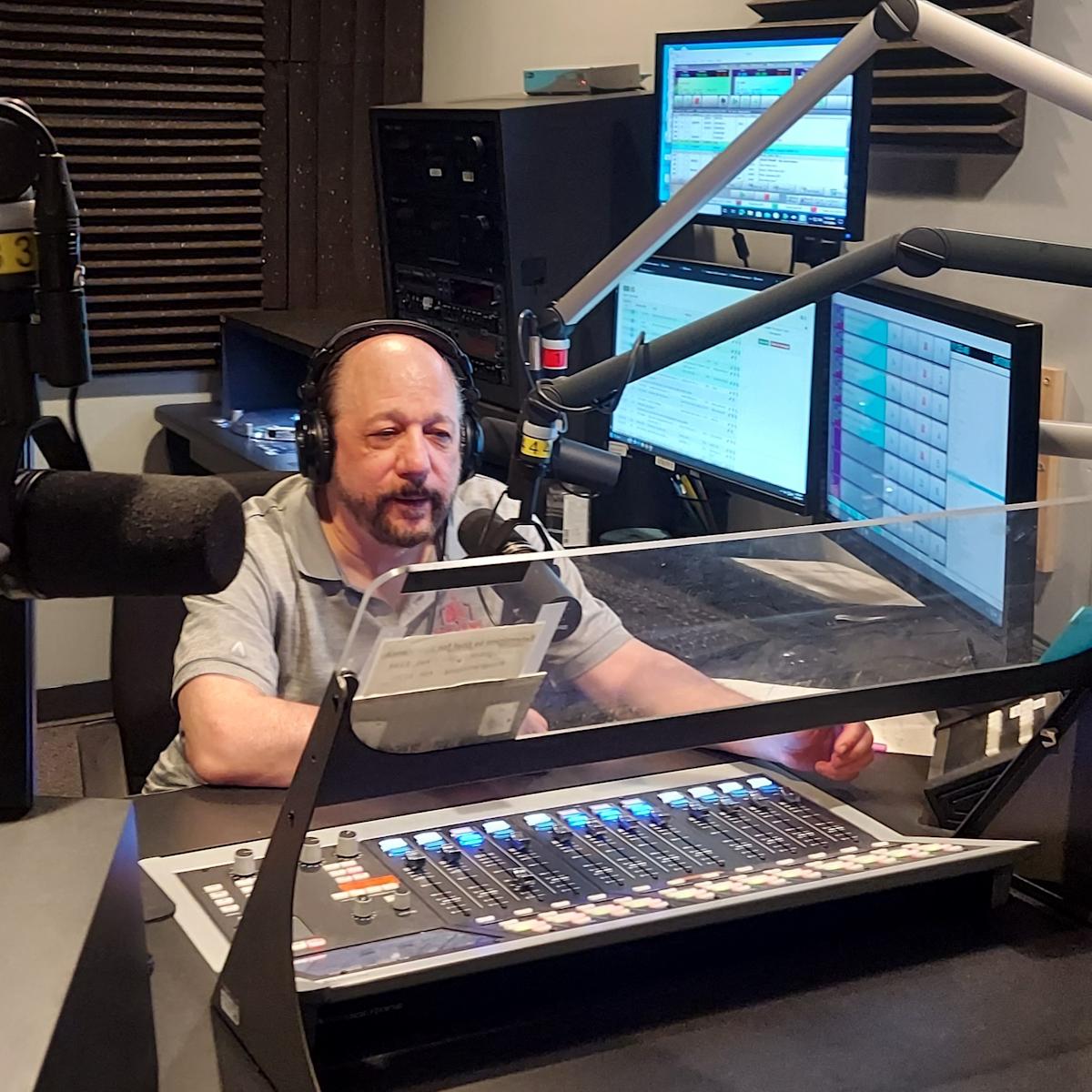
That was in 1995. On Sunday mornings since, Porzio has been curating a diverse program of music and conversation on his show called Eclectic Hours. Guests have included Todd Rundgren, Steve Forbert, Susan Werner, Rickie Lee Jones, Christine Lavin, Patty Larkin, Janis Ian, Aztec Two-Step, Ian Anderson, Jerry Jeff Walker and many others.
Porzio found that his Stevens education helped him succeed in whatever career area he chose. “It was a broad engineering program,” he says. “Even though I majored in mechanical engineering, I learned enough about other disciplines to function in those areas as well. I may not have been an expert in everything, but I was knowledgeable enough to do useful work and to help solve the problems at hand. For example, at USCIS we faced challenges with the transition to using laser etching to print Green Cards. Then we were challenged with adding RFID chips to the cards. There were many times that I had to draw on what I knew beyond mechanical engineering.”
His next challenge is planning his class reunion in 2027 - the 50th! As secretary of the Class of 1977, he is reaching out to all of his old friends. “We had more than 40 people come out to the 40th reunion,” he says with pride. “I’d like to see if we can do even better next year.”
In fact, he already did some early networking at the Washington, D.C. alumni holiday gathering last December. “The alumni seem to be getting younger and younger every year — funny how that works! Ha!” he says. “But I do believe that when they see older alumni getting involved, it sends an important message. They want to learn from us.”
“Earning a Stevens degree is quite a challenge,” Porzio adds. “What you get from it, however, stays with you for the rest of your life. It is a great foundation for a successful career.”