Sarkar and Christodoulatos Receive $687K U.S. Army Corps of Engineers Grant to Destroy ‘Forever Chemicals’
Researchers in the Department of Civil, Environmental and Ocean Engineering are developing a more sustainable way to treat the highly toxic emerging PFAS contaminants
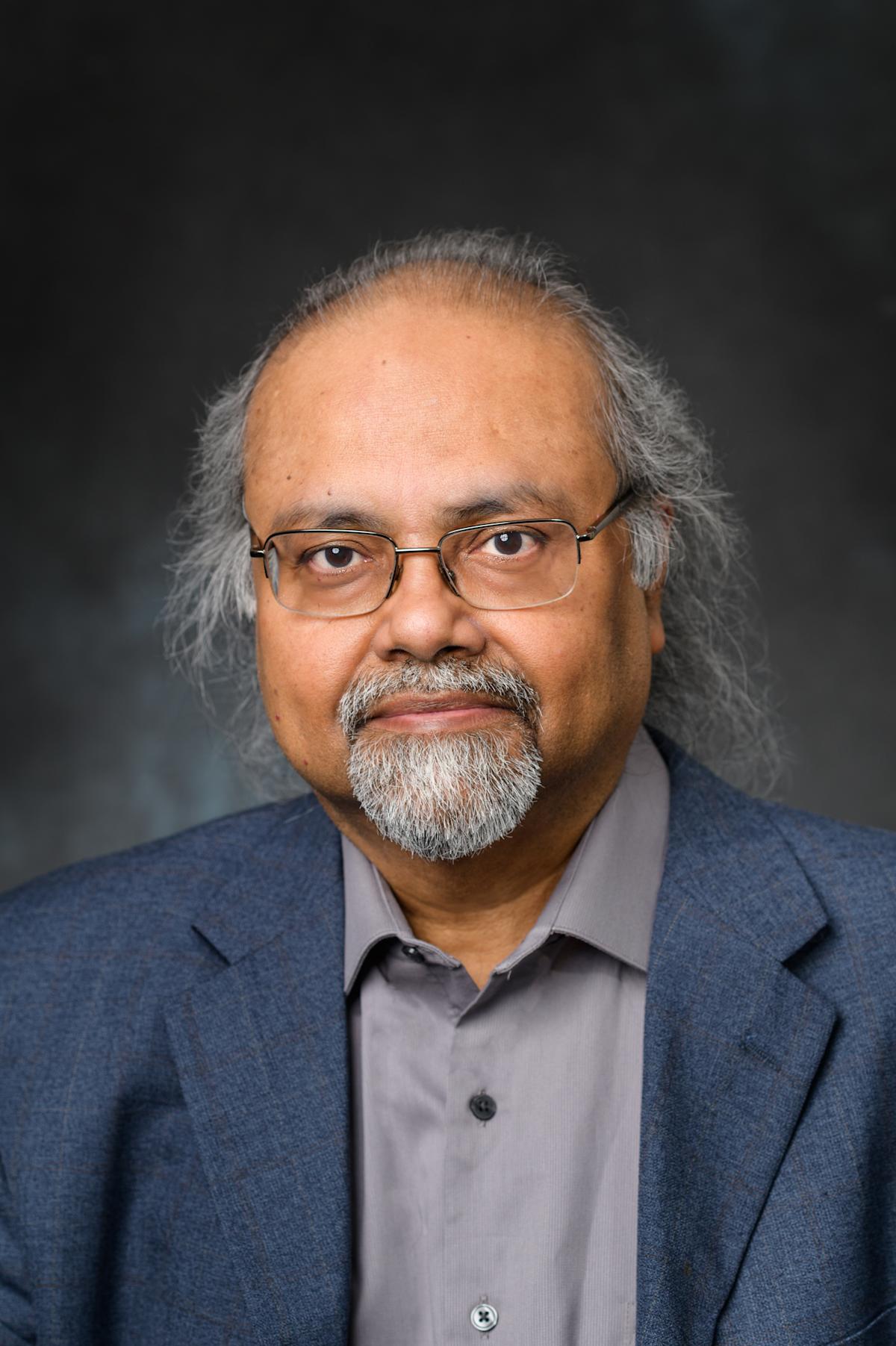
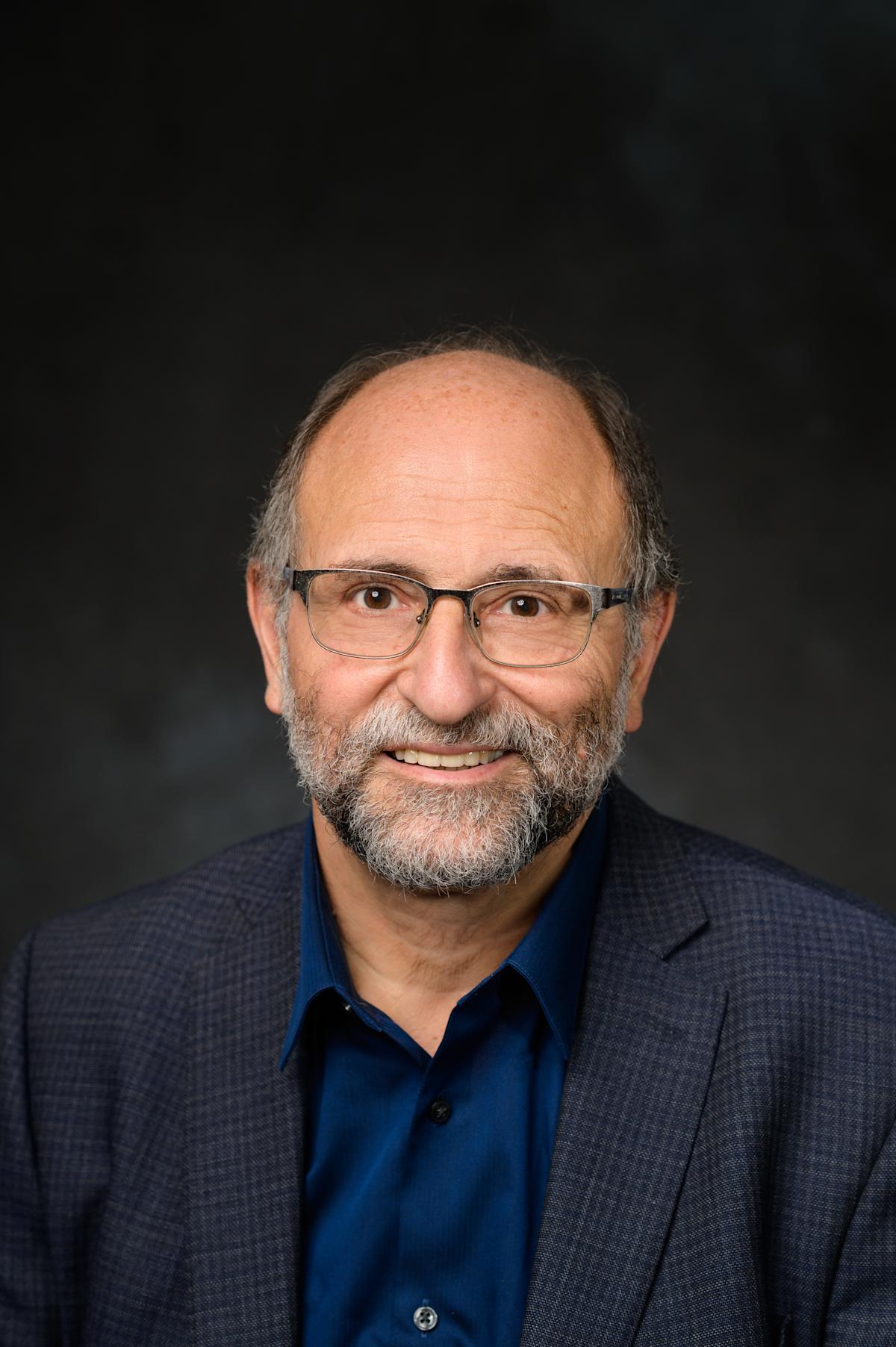
Principal Investigator (PI) Dibyendu “Dibs” Sarkar and Co-PI Christos Christodoulatos, both professors in the Department of Civil, Environmental and Ocean Engineering at Stevens Institute of Technology, and Co-PI Zhiming Zhang, professor at Rowan University, received an award of $687,432 (plus optional funds of $208,000) from the U.S. Army Corps of Engineers for their project, “Making SCWO Treatment of PFAS-Contaminated Water More Sustainable.”
Per- and polyfluoroalkyl substances (PFAS) are a group of emerging and persistent organic contaminants, which have come to be known as “forever chemicals” because they do not break down, but rather persist in the environment indefinitely. This highly toxic molecular family has been used in applications as varied as firefighting foams, food packages, semiconductors, non-stick cooking pans, water-proof fabrics and more. Severe health problems can result from exposure to PFAS.
This problem is especially pronounced in military sites; more than 700 military bases have reported PFAS contamination. What’s more, with new, highly stringent regulations proposed by the U.S. Environmental Protection Agency, there is now an urgent demand for more effective PFAS treatment methods.
One such method is supercritical water oxidation (SCWO). However, while SCWO has been effective in destroying certain PFAS species, the pressurization and preheating involved in this process is highly energy-intensive — and, hence, cost-prohibitive. What’s more, SCWO is most effective in contaminants at high concentration levels; and the PFAS in contaminated environmental samples is relatively low.
Sarkar proposes concentrating the PFAS from contaminated water before treating it with SCWO. This practice will reduce the quantities of media that require treatment, which will reduce energy consumption and, in turn, cost. By implementing this PFAS preconcentration step, Sarkar’s team will improve the energy efficiency, cost effectiveness — and overall sustainability — of the use of SCWO to treat aqueous PFAS contamination.
“PFAS are called 'forever chemicals' for a reason,” said Sarkar. “They are very hard to destroy. One of the most successful methods of destruction is oxidizing them by supercritical water, or, SCWO. However, it is an extremely expensive process. We intend to employ a treatment train by concentrating PFAS prior to feeding them to a SCWO reactor. This will make the process much less expensive, hence more sustainable."
The findings could also be applied toward drinking water and wastewater treatment outside of the military bases in focus, such as in wastewater and drinking water treatment plants.
Learn more about academic programs and research in the Department of Civil, Environmental and Ocean Engineering: