AI Education with a Focus on People
Artificial intelligence is reshaping every field — not someday, but now. The question isn’t whether to engage with it. It’s whether the humans building and deploying it understand the people it’s meant to serve.
Artificial intelligence is reshaping every field — not someday, but now. The question isn’t whether to engage with it. It’s whether the humans building and deploying it understand the people it’s meant to serve.
Enter Stevens Institute of Technology’s new master’s in human-centered AI, launching in Fall 2026, which blends mastering the technical foundations of AI and machine learning while developing the interdisciplinary expertise to make these systems truly useful, accessible and responsible.
“It’s a specialized skillset to learn,” says Jina Huh-Yoo, associate professor of computer science and the director of the human-centered AI master’s program. “If you want to sell an AI product, and if you want people to use it, it has to be geared toward those people.”
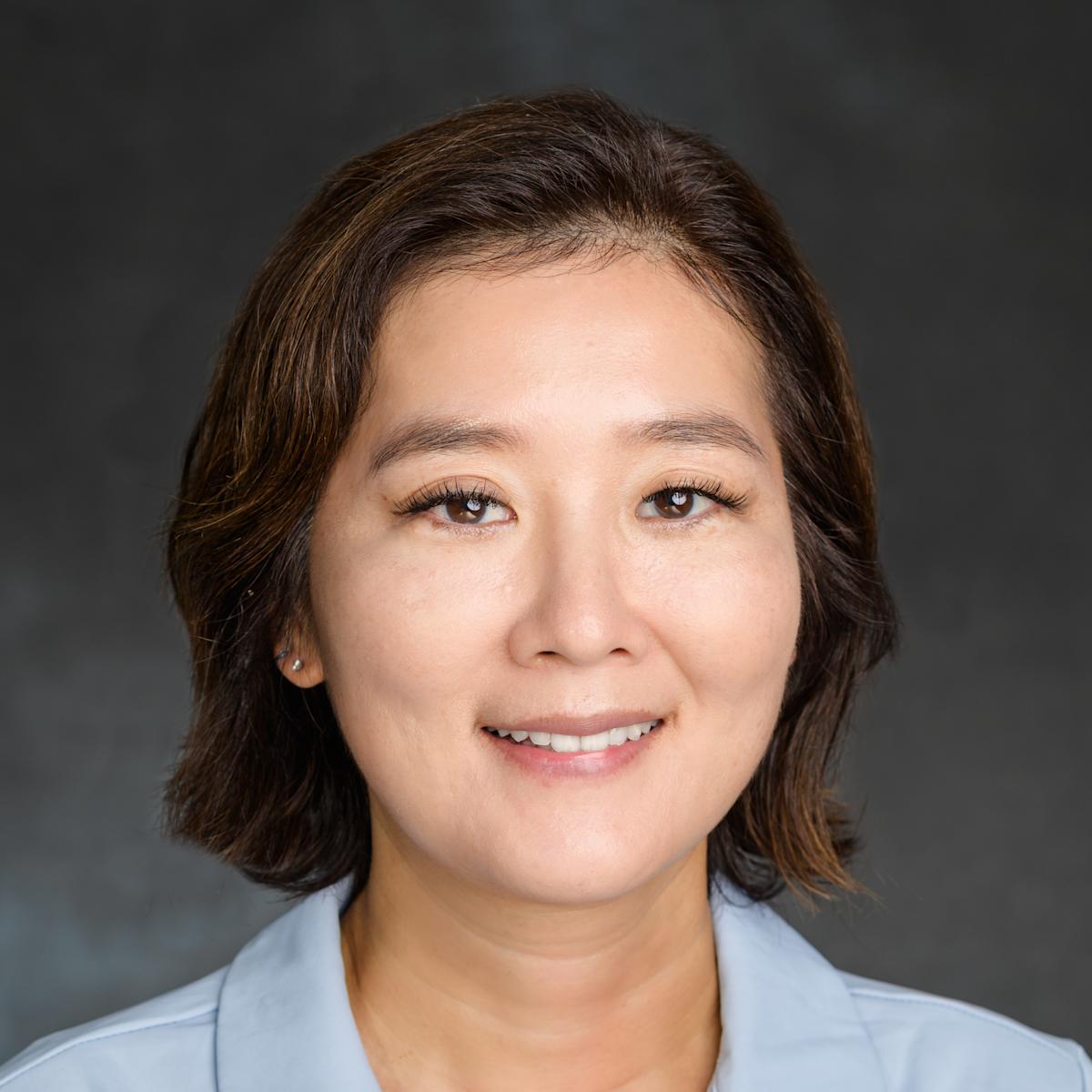 Huh-Yoo, who developed the program and curricula, explains that while traditional training programs on AI might focus on the developer side on AI models and algorithms, human-centered AI integrates interdisciplinary skills in design and psychology to better understand people’s needs, perceptions and behavior around AI systems. While the coursework is focused less on technical fortitude compared to traditional AI programs, students will gain expertise across AI and machine learning fundamentals to support their human-centered skillset.
“Human-centered AI is about making AI that is usable, ethical, responsible and gives users control over it, but students need a technical understanding to work with developers and to make themselves marketable,” she says. “This program will give them that and teach them how to evaluate the product with people in mind, and how to become leaders who develop and reshape AI’s role in society.”
The field of human-centered AI is evolving fast, but many high-impact roles already exist in tech companies (responsible AI, UX research and product ethics positions at companies such as Open AI, Apple, Amazon and Google), healthcare and education (AI safety and integration positions), policy organizations and think tanks (AI governance and advisory positions) and beyond. Huh-Yoo explains that these roles can take on a variety of functions, from project management and supporting business decision-makers to working with developers and maximizing user experience.
The human-centered AI master’s is just one way Stevens is responding to the way AI and computing technologies are reshaping how every industry operates and what skills employers demand. The university recently announced the new School of Computing, as well as a dedicated undergraduate degree and minor in AI, all set to launch this coming fall.
“Artificial intelligence represents a transformation as profound as the widespread adoption of the internet," says Nariman Farvardin, Stevens’ president. "Institutions of higher education must adapt to AI’s impact on society and the labor market, quickly and strategically. The human-centered AI program will give students the skills to develop and shape AI so that it focuses on the user and will impart the ethical understanding needed to lead responsibly in this rapidly evolving field. It is another example of how Stevens evolves to keep our students ahead of the technology-driven future, not just prepared for it.”