Yong Zhang Receives $360,000 NSF Grant for Computational Chemistry Study
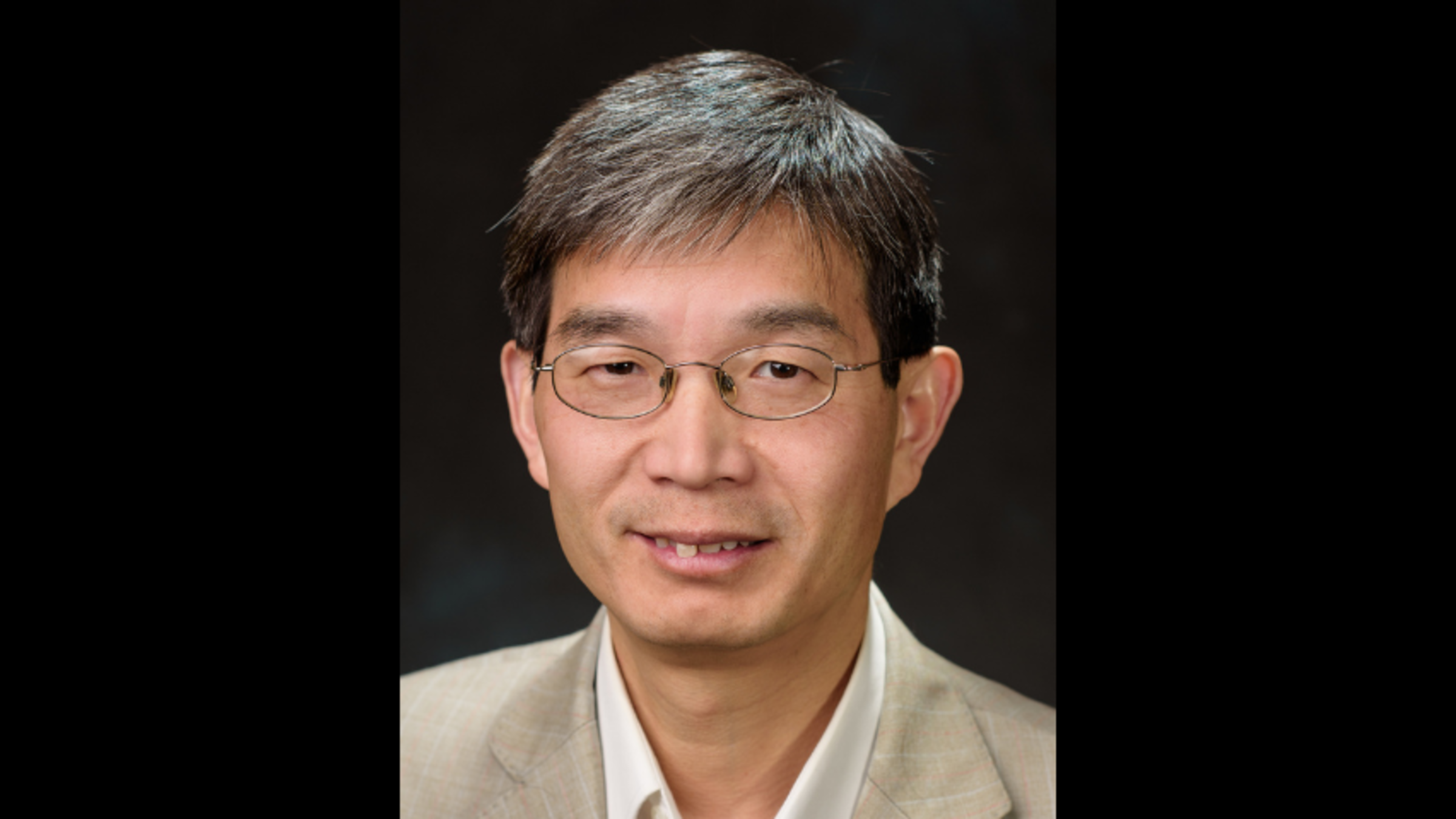
New insights from Zhang’s research may lead to improvements in the pharmaceutical industry
Yong Zhang, professor in the Department of Chemistry and Chemical Biology, recently received a grant of $360,000 from the National Science Foundation (NSF) for his project “CAS: Mechanistic Investigation of Heme-based Catalysts for Sustainable Carbene Transfer Reactions.” NSF’s Chemical Catalysis program in the Division of Chemistry is supporting Zhang in conducting a rigorous computational study of some less-understood catalytic reactions to help catalyst design for sustainable chemistry.
The targeted catalysts are engineered heme proteins with excellent properties; however, major challenges for certain catalytic reactions useful for synthesis of natural products, drugs, and biological compounds still persist. Zhang’s research group employs high-accuracy computational techniques to discover the mechanism of such catalysts’ components to enhance their catalytic reactivities and selectivities for these challenging chemical transformations. These insights may lead to improvements in the pharmaceutical industry.
Zhang’s research is broadly integrated with teaching, training, and learning, with participation of students from underrepresented groups. Students in this project will give presentations and reports in their classes, within their departments at Stevens, and in outreach programs for K-12 institutions — enhancing the scientific understanding of the impacts of this project.
"This renewed NSF grant supports my group's recent efforts in providing unprecedented mechanistic information to solve some critical problems in the area of sustainable catalysis, and also furthers my longtime endeavors to train many undergraduate and graduate students, especially those from underrepresented groups, in the cutting-edge research for sustainability,” said Zhang.
