Smarter, Stronger, More Sustainable Construction Materials: Coming Soon From Stevens

Researcher Weina Meng and her students develop new materials including higher-performance, more cost-effective concretes
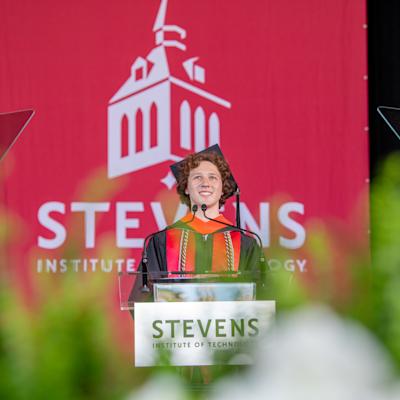
As concrete makes a comeback in urban architecture and infrastructure worldwide, Stevens civil engineering professor Weina Meng works to design the materials of the future.
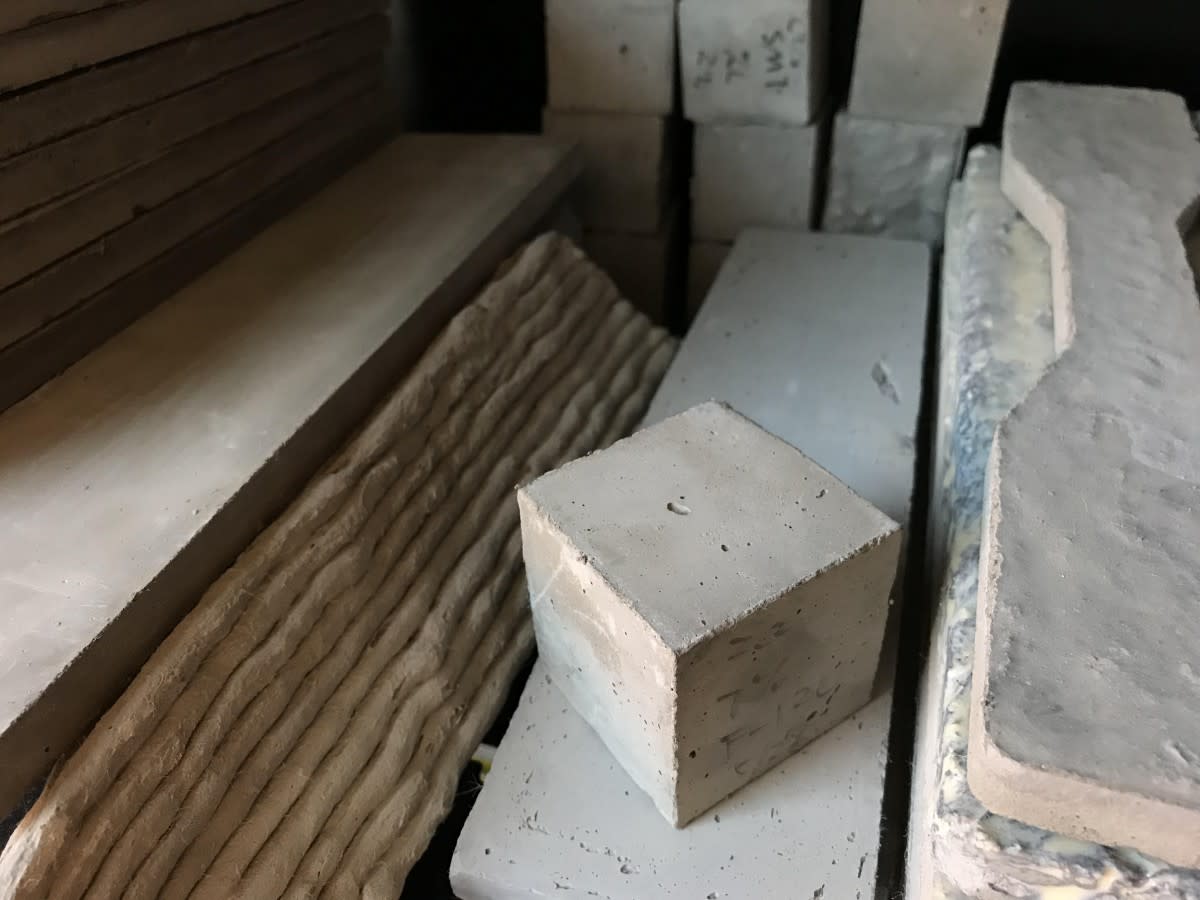
Her chief research interest is improving so-called ultra-high performance concrete (UHPC): a self-consolidating, extra-durable, extra-strong and long-lasting grade of concrete. Current commercial versions cost a lot — as much as $3,500 per cubic foot — but Meng’s research has already produced comparable variations that cost as little as several hundred dollars per square foot.

"The New York State and New Jersey departments of transportation are interested in our work," she says, noting that both agencies will collaborate in tests of the UHPC on Stevens' campus soon.
How does she do it? Meng innovates the process by varying particle sizes of the cement as it is created, packing the mixture together more tightly while incorporating a proprietary blend of quartz sand, fly ash, slag and other ingredients into the recipe.
"The secret is making it as dense as possible, so that water cannot penetrate and crack it," Meng explains. "This concrete is almost steel-like. When it does crack, it hardens after cracking."
It also resists water exceptionally well. One sample has been immersed in water for more than 2½ years.
"The inside is still dry,” Meng notes. “No chlorides have penetrated it, as of yet. We will keep checking."
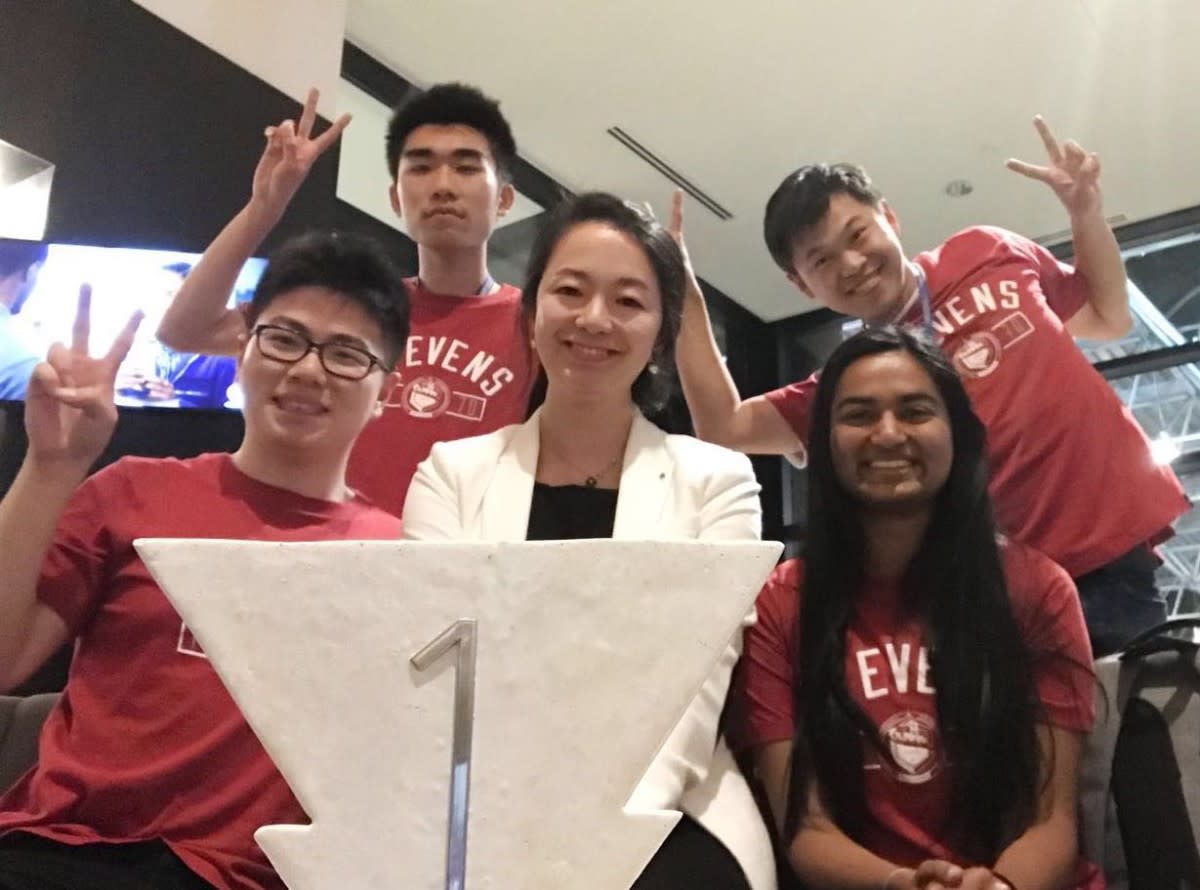
Students play an important role in Meng’s work, as well. One student team she advises took first place in a 2019 international concrete competition held at Rensselaer Polytechnic Institute (RPI) in New York, besting more than 100 university teams in the process.
"I'm very proud of them," says Meng.
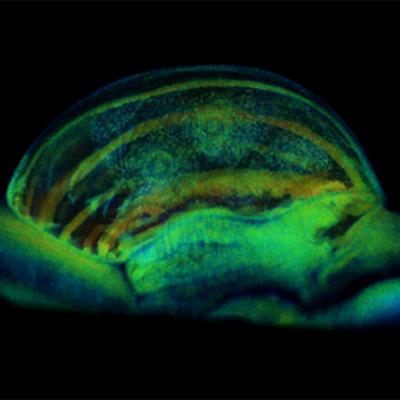
In addition, she collaborates in another project with fellow Stevens engineering professor Yi Bao to design and test multifunctional cementitious composites, or MCCs. These new types of engineered "smart concrete" appear to self-heal after fractures, resist fire exceptionally well and gently scrub the air of greenhouse gases.
"We are working hard," she concedes. "We want to find ways to use local and recycled materials in material manufacture — that is a 'greener' way to build. We want to find ways to design smarter, more cost-effective materials. And we want to put fundamental research into actual practice and application. This all takes hard work."
“But so far, we are making progress toward these goals. Already I am certain Stevens truly is the best place for me to do this work."