
Microsoft Manager Gives Back Through Mentoring
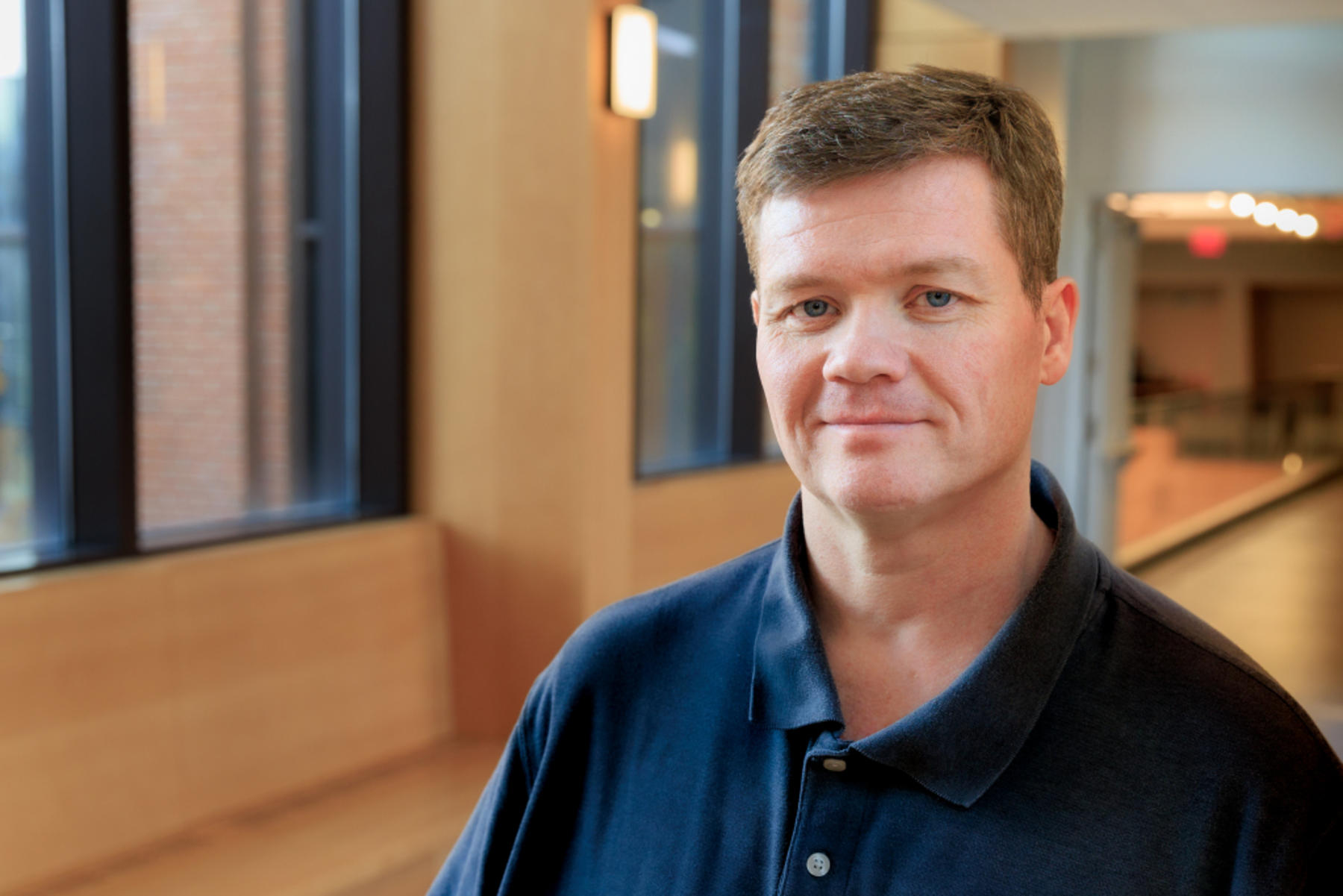
Gearard Boland ’02 left his native New Jersey for Washington State right after graduation — and never looked back. For more than two decades, he’s worked at Microsoft, on everything from Office to the company’s early push into AI. He’s learned from some of the smartest people in the industry. And he’s made his best friends, started a family and embraced the laid-back ethos of the Pacific Northwest.
Things could have been different. When Microsoft offered him a job senior year, he almost didn’t take it. But his friend and fellow “Microsoftie” Mirweis Jamali ’01 and Stevens Dean of Students Ken Nilsen urged him on, despite a lower starting salary than his other job offers and a move almost 3,000 miles from home. Here was a rare chance to work in big tech and make an impact.
“If it wasn’t for them, I wouldn’t be here,” he says.
Stevens teaches you to think, which is much more important than the specific knowledge you get.
Boland is now a principal engineer on Cosmos Analytics, Microsoft’s backend that processes massive amounts of data daily. He also interviews and hires job candidates and is nurturing a new generation of tech talent.
For the past decade, he’s mentored first-generation college students or those with significant financial need through the Washington State Opportunity Fund. He hopes his efforts help to identify much-needed, promising talent and improve lives.
“We should focus on the beginning of the funnel,” he adds. “How can we get folks into it? How do I contribute to that?”
Last fall, Boland reviewed Stevens student resumes and returned to campus to speak to an enthusiastic gathering of more than 100 students about interview-ing for highly competitive tech careers.
With Microsoft receiving about 2 million resumes each year, the odds of landing there are slim, Boland acknowledges. His advice is direct. There’s no single right or wrong answer in a job interview, he says; he’s offered jobs to people who gave him “wrong” answers but stood out for how they came up with those answers. Don’t waste your time searching the internet for common questions and the “best answers” in a tech job interview, he advises.
Resumes must immediately show what you can do. A high GPA doesn’t impress him, he says; relevant work and project experiences do.
And he encourages students to look beyond big tech; every industry has a tech aspect. Stevens students should be confident, he says. “Stevens teaches you to think, which is much more important than the specific knowledge you get.”
– Beth Kissinger