CEOE PhD Student Seminar Series Pt. 2

Department of Civil, Environmental and Ocean Engineering
Location: Babbio Center, Room 221
Speakers: Khalid Mustafa & Nusrath Jaha
ABSTRACT
Speaker 1 (Khalid Mustafa): Per- and polyfluoroalkyl substances (PFAS) have emerged as contaminants of significant environmental and public health concern because of their widespread use, exceptional persistence, and resistance to conventional degradation processes. Wastewater treatment plants (WWTPs) are important collection and redistribution points for PFAS originating from residential wastewater, industrial discharges, and landfill leachate. However, conventional treatment processes are not specifically designed to remove or destroy PFAS, resulting in complex behavior throughout wastewater systems. Depending on their physicochemical properties, PFAS may remain in the aqueous phase and be discharged with treated effluent, partition into sludge and biosolids, or form through the transformation of precursor compounds during treatment. Short-chain PFAS generally exhibit higher solubility and mobility and therefore tend to persist in the aqueous phase, while longer-chain compounds show greater affinity for suspended solids and sludge. In addition, transformation of PFAS precursors during biological and chemical treatment can lead to apparent increases in terminal perfluoroalkyl acids, complicating conventional removal-efficiency calculations and mass-balance assessments. Analytical approaches such as the Total Oxidizable Precursor (TOP) assay can help reveal hidden precursor contributions and provide a more complete understanding of PFAS burdens. This presentation will examine the occurrence, partitioning, transformation, and fate of PFAS across wastewater treatment systems, with emphasis on aqueous and solid-phase pathways, precursor transformation, and implications for effluent and biosolids management.
Speaker 2 (Nusrath Jaha): Cementitious materials are indispensable to modern infrastructure, but their inherent brittleness and the conventional trade-offs among strength, toughness, and weight continue to challenge the development of high-performance structural materials. In contrast, natural materials such as nacre achieve remarkable combinations of mechanical properties through the deliberate organization of relatively simple stiff and flexible constituents into specialized architectures. Our research investigates how these bioinspired principles can be translated to cementitious materials. The first part of this work focuses on building a nature-inspired synthesis strategy to produce a nacre-mimetic hierarchical arrangement of flexible polymers and calcium silicate hydrate (C–S–H), the primary binding phase responsible for strength development in cement, with enhanced microstructural control. Building on this, the second part addresses the challenges of controlling the formation and spatial organization of the two phases, and their influences on the development and mechanical behavior of the final composite. Together, these approaches are intended to understand how controlling material formation from the nanoscale upward can translate into improved macroscopic behavior and ultimately provide design principles for lightweight, strong, and damage-tolerant cementitious materials.
BIOGRAPHY
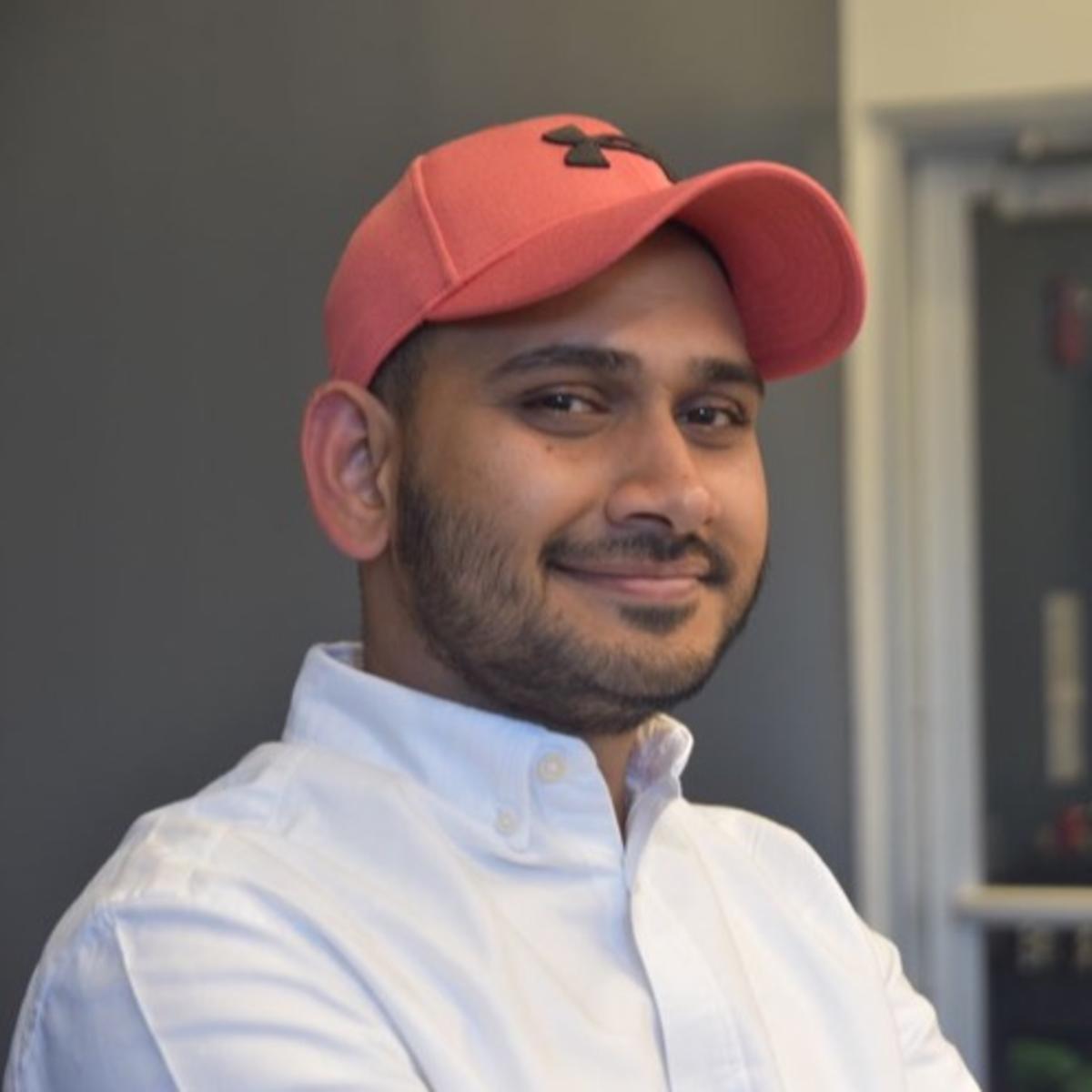
Khalid Mustafa is a PhD Candidate in Environmental Engineering at Stevens Institute of Technology, where his research focuses on water and wastewater treatment, emerging contaminants, and sustainable environmental remediation. He is working under the supervision of Professor Dibs Sarkar in the Environmental Sustainability Laboratory. His doctoral research investigates the occurrence, transformation, and fate of per- and polyfluoroalkyl substances (PFAS) in wastewater treatment systems, including their behavior in aqueous streams, and biosolids.
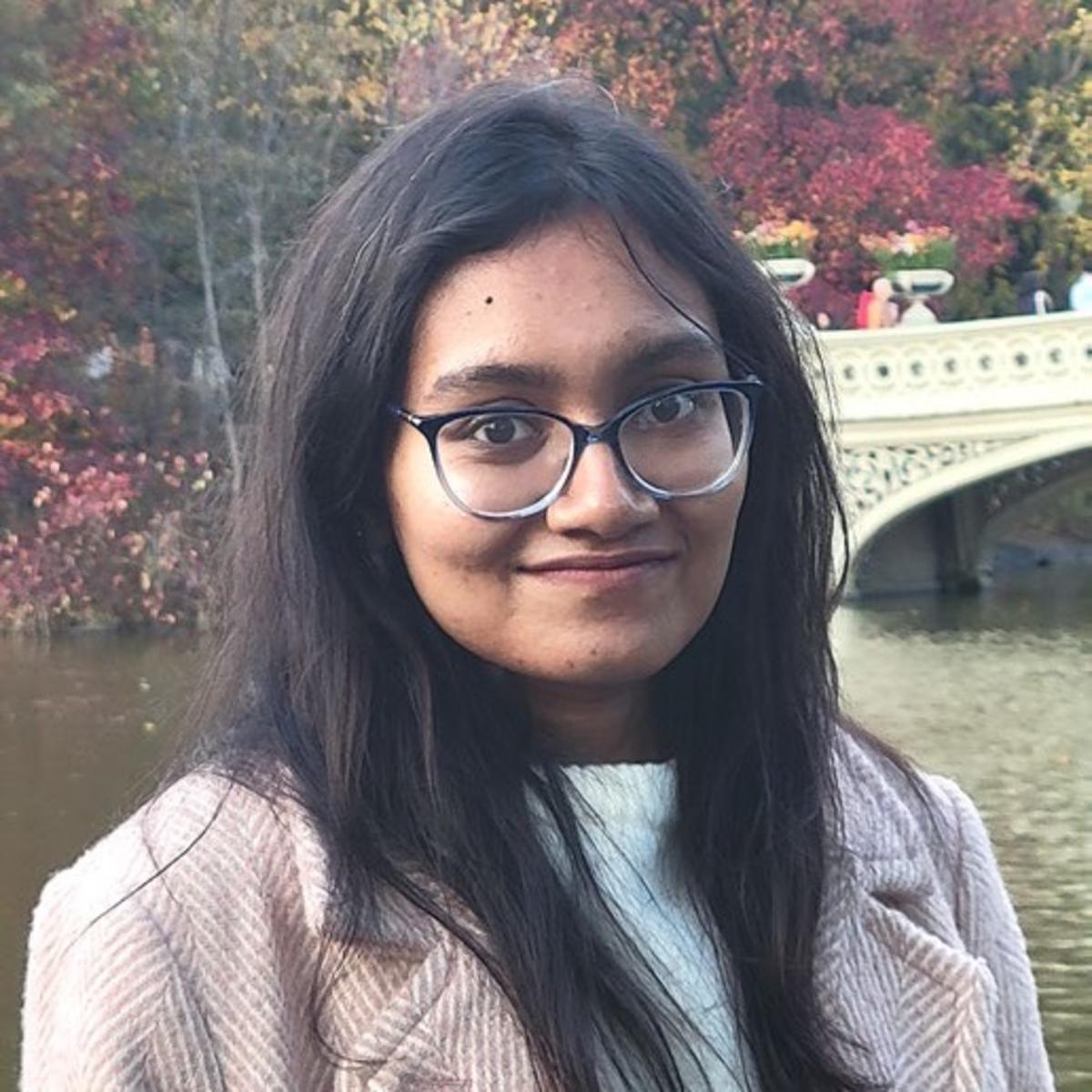
Nusrath Jaha is a PhD candidate at Stevens Institute of Technology in the Department of Civil, Environmental and Ocean Engineering, advised by Prof. Weina Meng. She earned her bachelor’s and masters degree in civil engineering from Chittagong University of Engineering and Technology, Bangladesh. Her doctoral work has contributed to research funded by NSF, resulting in publications in premier journals, such as Cement and Concrete Composites. Her research interests include bio-inspiration, advanced cement and concrete composites, and sustainable material design.
Discrimination notice: Persons of all identities are invited to and included in this group. Stevens does not discriminate against any person on the basis of sex, race, religion, disability, sexual orientation, gender expression, or any other basis prohibited by law.
Photo and video notice: At any time, photography or videography may be occurring on Stevens’ campus. Resulting footage may include the image or likeness of event attendees. Such footage is Stevens’ property and may be used for Stevens’ commercial and/or noncommercial purposes. By registering for and/or attending this event, you consent and waive any claim against Stevens related to such use in any media. See Stevens' Privacy Policy for more information.