An Interview with Chemical Engineering Ph.D. Student Reza Mahmoudi
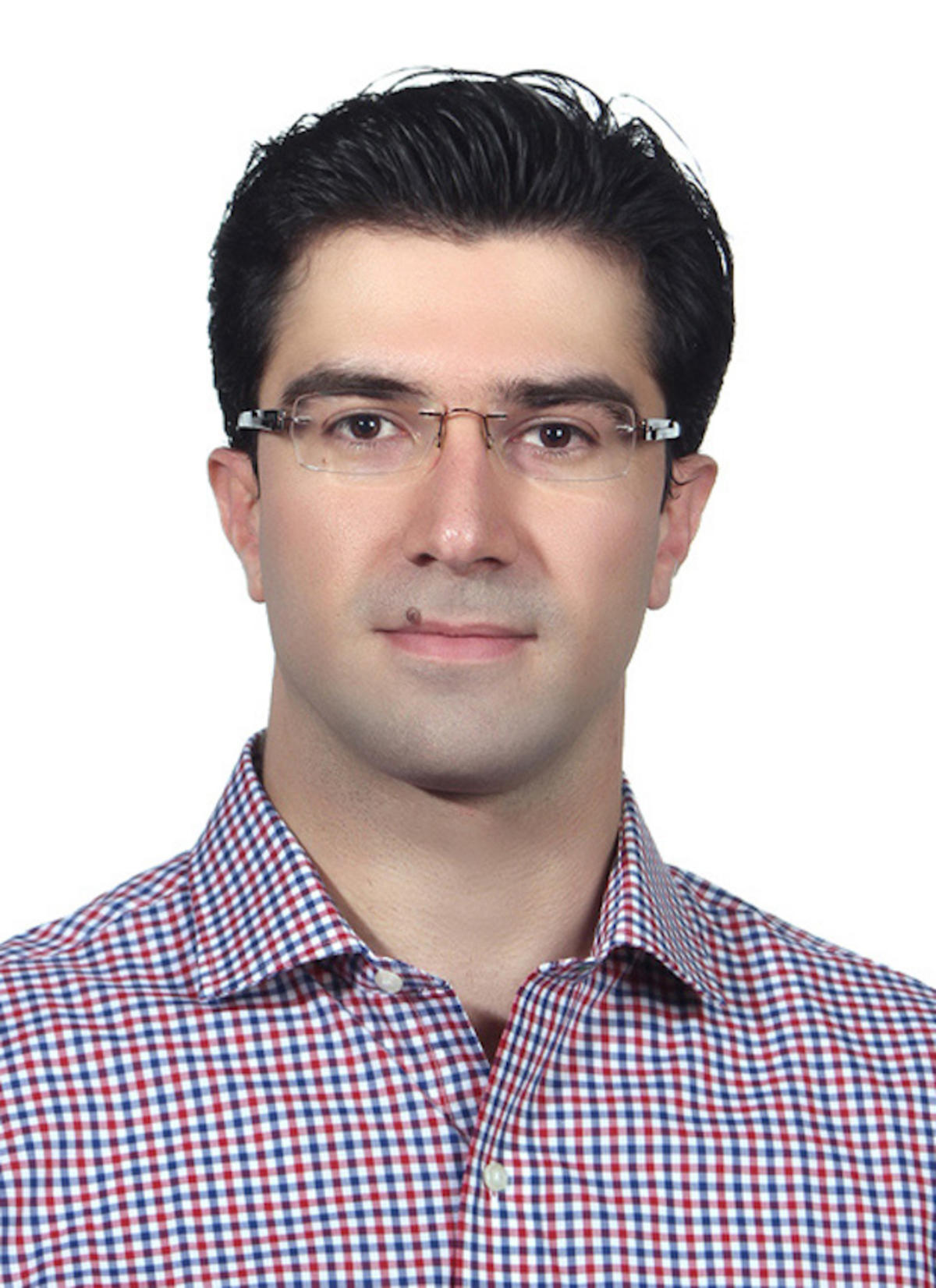
What’s your name?
Seyed Reza Mahmoodi.
Where are you from?
Tehran, Iran.
How did you get to Stevens?
I had been working on fuel cells in Iran for four years before joining Stevens. When my brother started his Ph.D. at Stevens, he told me about Professor Ronald Besser’s area of research—which was was similar to my interests. I reached out to Professor Besser and he offered me a Ph.D. position. I ended up working in the same building as my brother, with our labs only a floor apart.
What’s your research about? Describe it in two sentences.
My research focuses on developing a cost-effective fabrication process for a flat and flexible fuel cell power generator. I believe these miniaturized energy sources have the potential to deliver high power outputs applicable to compact electronics.
What drew you to your area of research?
I had the chance to experience different areas of research in my academic life and what intrigued me the most was fabrication of micro devices out of novel materials. Although fabrication of micro devices, and especially micro power generators, is truly tough and time-consuming, it is fascinating when you see your working product in the end.
What’s your favorite part about your research?
My research project enables me to create innovative designs of micro polymer-based devices. I like to investigate novel micro-fabrication methods that me and my team can employ in our project to improve the final product.
What’s your biggest challenge with your research?
We are working on creating a completely new design for a micro fuel cell. This means many trial and error tests and long hours of working in the lab. However, we believe our method will produce a working, high performance and cost-effective fuel cell.
How are you hoping your research will change the world?
I believe the fabrication process I am developing through my research will have a large scale impact on micro devices once it is industrialized.
What’s working with your advisor like?
Working with Professor Besser has always been a great learning experience. He gives me new perspectives with guidelines on how to best improve my ideas. He also provides the necessary environment for me to be self-motivated and work on my ideas independently.
What’s your best time management tip?
Having an organized daily schedule will allow you to minimize distractions and increase productivity.
Tell me something fun about yourself.
I love meeting new people with different cultures and backgrounds and learning from them, and the vibrant atmosphere of Stevens and its prime location provides me with such opportunities. I also love traveling and enjoy outdoor adventures.
