Stevens Researchers Reveal How Mature Gut Cells Turn into Cancer-Driving Stem Cells
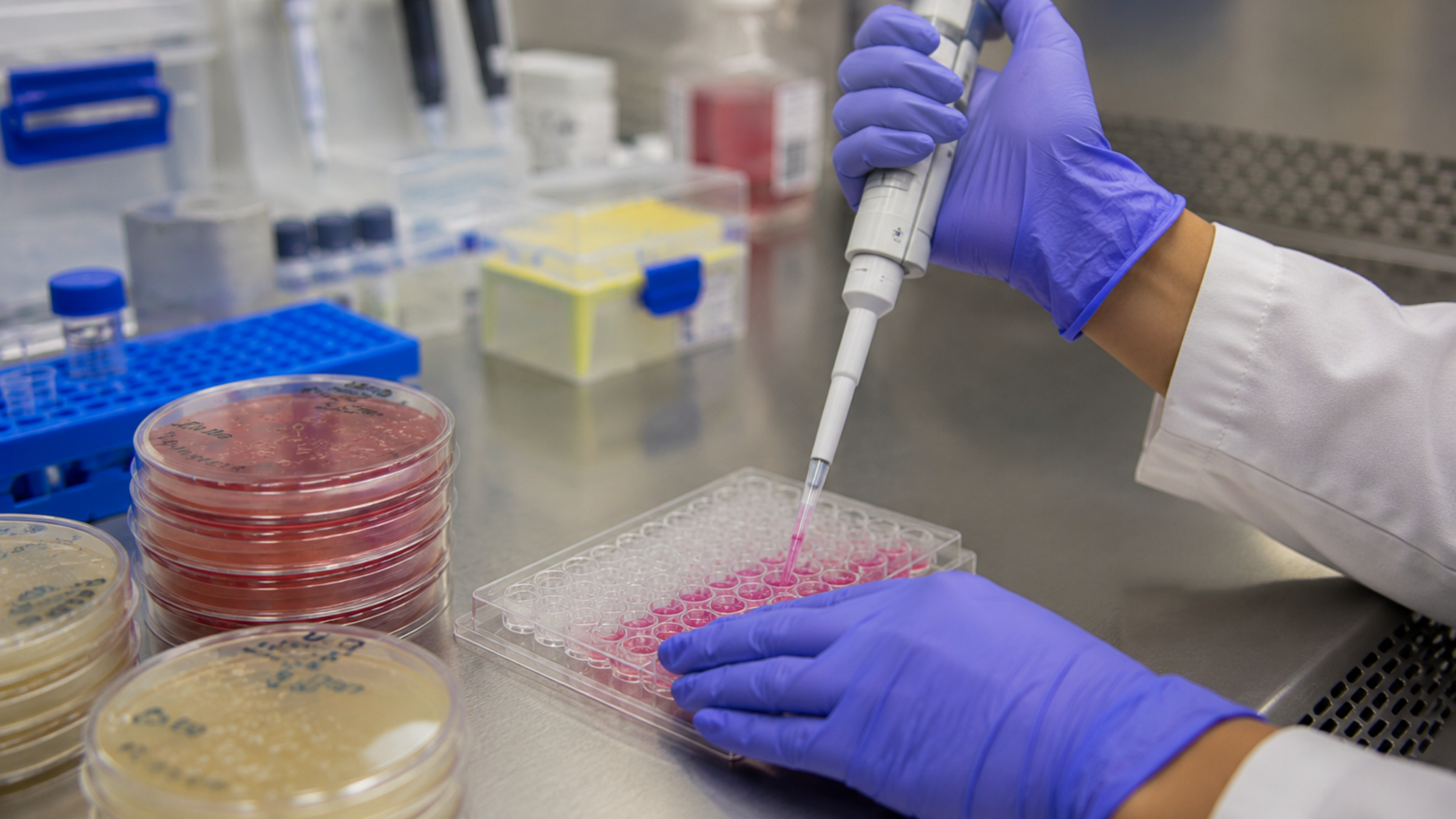
HOBOKEN, NJ., May 29, 2026 — In a groundbreaking study, Stevens researchers show how colorectal cancers can evolve from mature intestinal cells to stem cells. These findings explain why colorectal cancers are so resistant to treatment and can help inform the development of effective therapies for intestinal tumors.
Colorectal cancer is the second leading cause of death from cancer in the United States. Even more concerning is that the rates of colorectal cancers are rising rapidly in adults under 55. Research links that rise to a combination of factors, including western-style diets that are high in processed food, fat and sugar as well as sedentary lifestyles, obesity and altered gut microbiomes, all of which can contribute to cellular mutation and malignant growth.
Recent research pointed to stem cells as a significant primary driver of colorectal cancer, but exactly what happens at the cellular level inside the gut is less clear. Now, a new study by researchers at Stevens Institute of Technology, titled Dedifferentiation-driven oncogenic stemness promotes tumor-sustaining adaptability in the intestinal epithelium, published in Cell Death & Disease, sheds more light on the complex cellular environment of the intestines.
In the study, researchers led by Assistant Professor Ansu Perekatt at Stevens School of Engineering and Science’s Department of Chemistry and Chemical Biology, zeroed-in on the so-called Lgr5-positive stem cells. “These stem cells are crucial for the rapid renewal of tissues of the intestinal lining,” explains Perekatt, whose research focuses on understanding why cancers often return after treatment and aims to inform therapeutic strategies that target tumor relapse. “They are rapidly dividing cells that give rise to the progenitor cells in order to constantly replace the lining of the intestine.”
The intestine has its own organizational structure: Lgr5-positive stem cells and their growing progenitor cells stay in small pocket-like areas called crypts until they are ready to “move out” to assume their designated roles. Meanwhile, the villi — the tiny, finger-like projections that line up the small intestine and help absorb nutrients from food — are composed of mature, specialized cells that had left the crypt. As new cells move upward from the crypts to the villi, they normally stop dividing and take on their final roles as mature cells.
In this environment, colon tumors can start in two ways, explains Perekatt. One way is “bottom-up” in which normal stem cells deep in the intestine mutate and turn cancerous. The second, “top-down” way happens when mature cells near the surface of the intestine reprogram themselves, becoming stem-like again and then turn into cancer cells.
“Mature cells can sometimes reverse course and become stem-like again, especially after injury or when normal stem cells are lost,” explains Perekatt. “A similar process can happen in colon tumors, where mature, already specialized cells can acquire what we call the de-novo stemness and regain stem cell-like behavior.”
In the study, Perekatt’s team induced mutations into a sample of stem cells in a mouse model and watched how they developed. The scientists noticed that while the mutant stem cells were eventually replaced by normal, healthy stem cells, a subset of the mutants’ progenitor cells became cancerous. “We don't know why they change and why only a subset changes,” says Perekatt. “It's very random, very sporadic. But when they change, they develop tumors.”
Moreover, the researchers observed that tumors that develop from the cells that acquired the de-novo stemness had better survival mechanisms. “They had this capacity to protect themselves against oxidative stress,” says Perekatt, referring to oxygen-containing molecules that naturally occur in living organisms as part of cellular metabolism, which can damage cells.
Colorectal cancers are notoriously difficult to treat because they tend to be resistant to treatments. This study helps explain why. “Our study suggests that intestinal cancers can arise not just from damaged stem cells, but also from cells that revert into stem-like cancer cells,” says Perekatt, “and they may contribute to why colorectal cancer can be diverse and resistant to treatment.”
Perekatt’s findings can help develop novel therapies for intestinal cancers. “If you are only treating the cells that become cancerous without targeting the cells that acquired the de-novo stemness, the cancer will likely come back,” Perekatt says. “So it’s really important to understand what causes this reversion to stemness, in order to develop new and effective therapies for colorectal cancers.”
About Stevens Institute of Technology
Stevens is a premier, private research university situated in Hoboken, New Jersey. Since our founding in 1870, technological innovation has been the hallmark of Stevens’ education and research. Within the university’s three schools and one college, more than 8,000 undergraduate and graduate students collaborate closely with faculty in an interdisciplinary, student-centric, entrepreneurial environment. Academic and research programs spanning business, computing, engineering, the arts and other disciplines actively advance the frontiers of science and leverage technology to confront our most pressing global challenges. The university continues to be consistently ranked among the nation’s leaders in career services, post-graduation salaries of alumni and return on tuition investment.
Stevens Media Contact
Lina Zeldovich
Manager of Media Relations
Division of University Advancement
201-216-5123
[email protected]