Stevens’ First Female Instructor Led the Way for Women
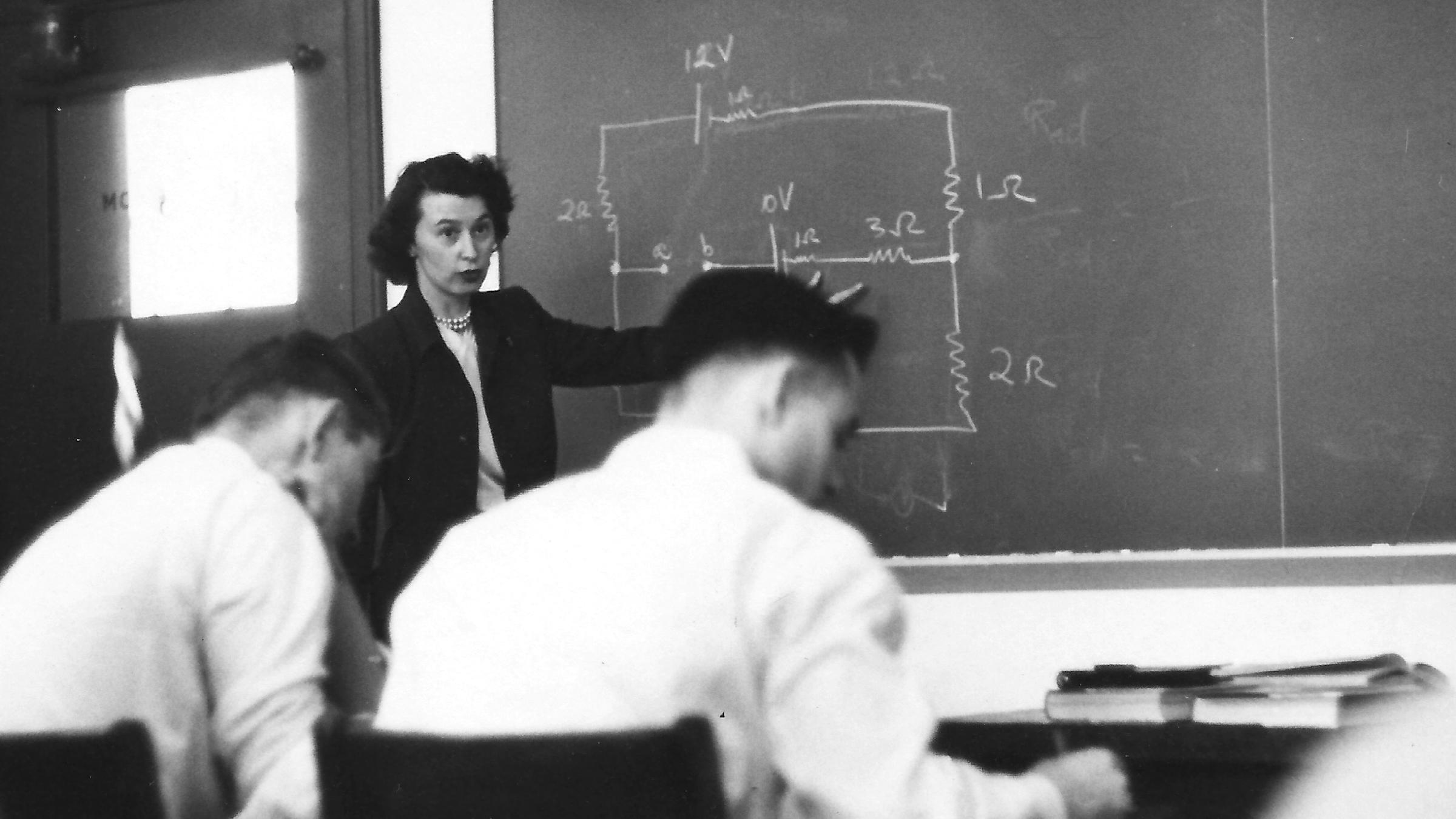
Editor’s Note: Emmi Hauser Fischl passed away on May 4, 2025, at the age of 103. This interview was first published by Stevens in 2017. It was edited in April 2026 to include additional background.
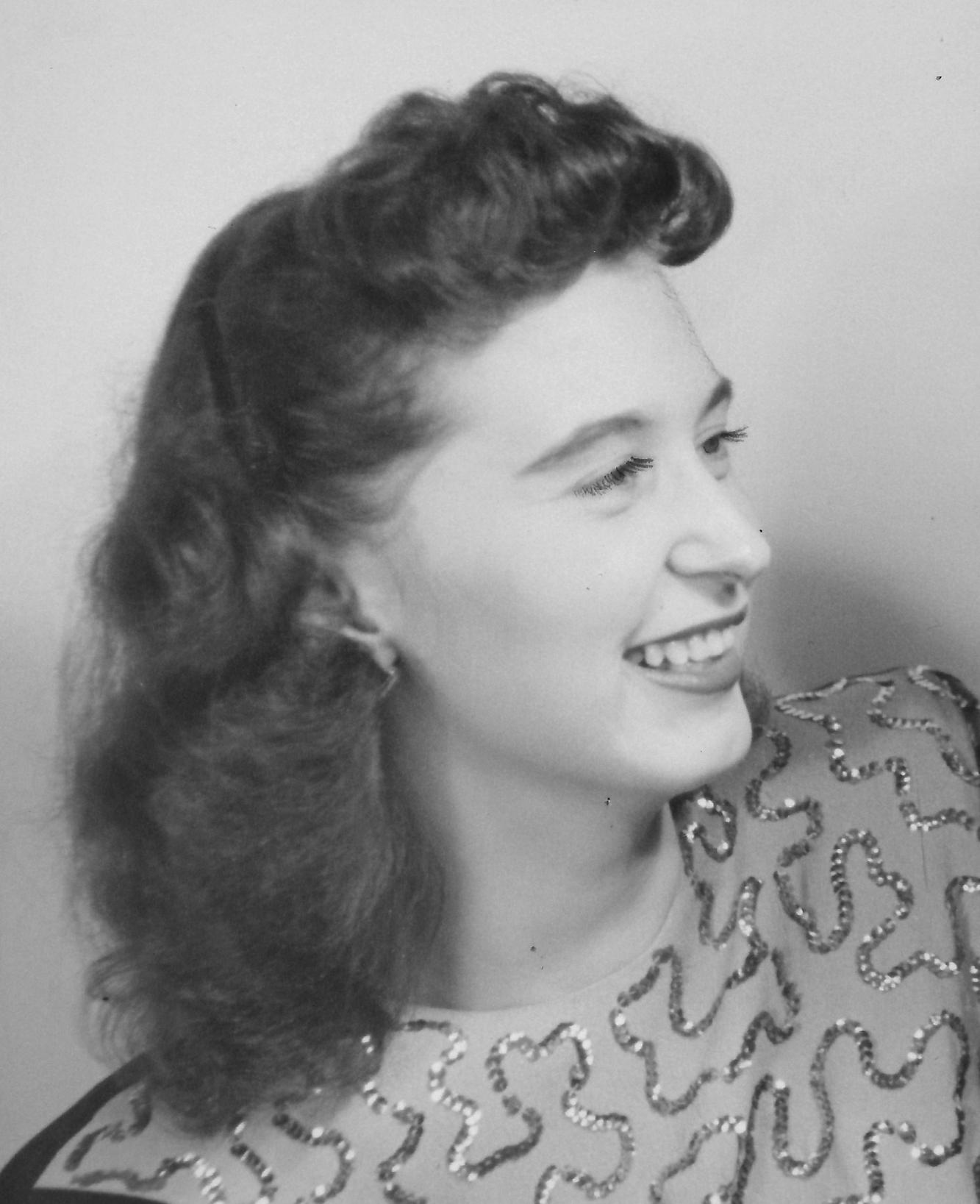
When Emmi Hauser Fischl accepted a job teaching physics at Stevens in 1947, she didn’t stop to think about the significance of the moment, historical or otherwise. According to Fischl, she needed a job and any significance was due to the forward thinking of Stevens. She never saw herself as an example for women or even as a forerunner to the women’s movement. While she may not like the spotlight, she is, in fact, the first female instructor at Stevens.
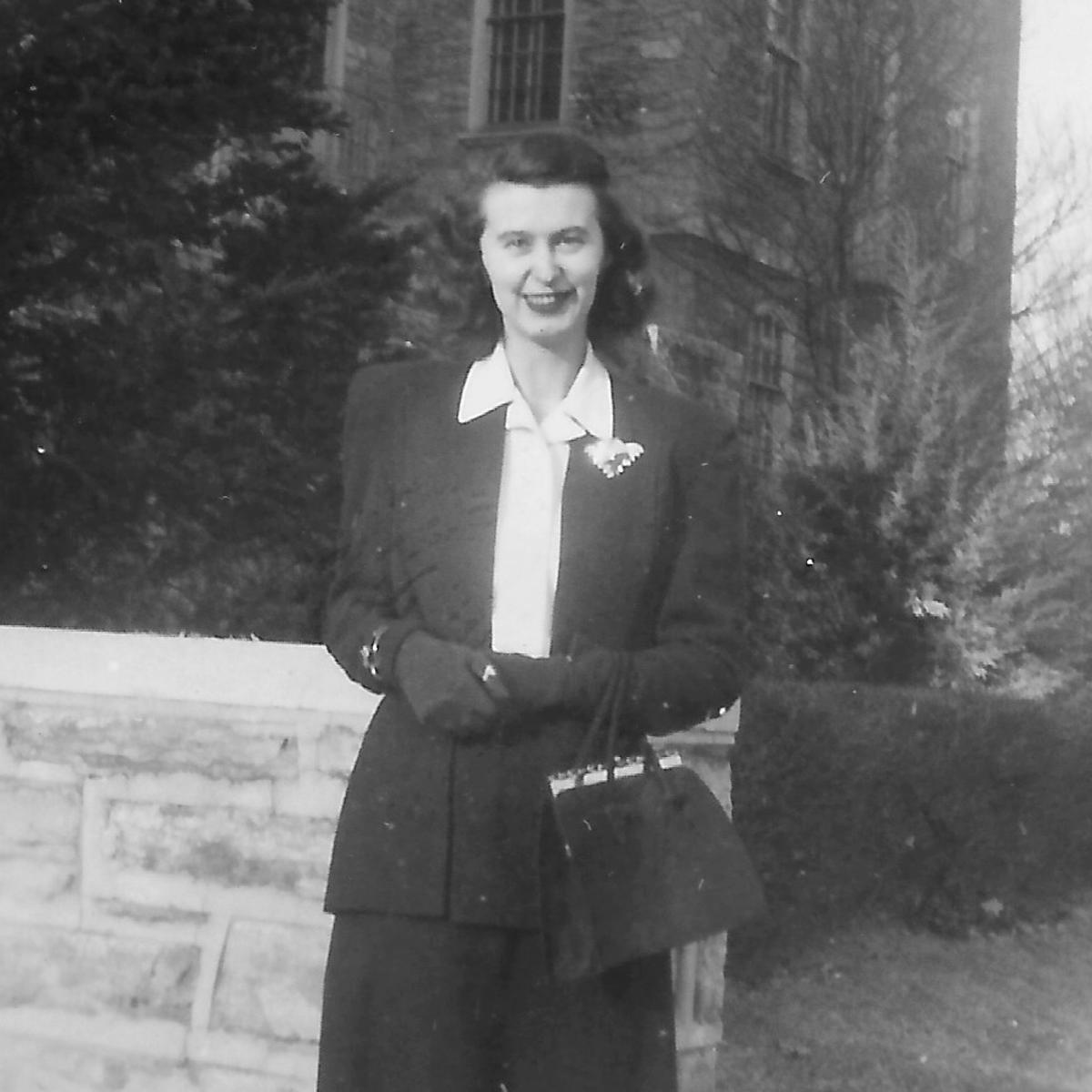
It’s worth noting that Fischl began her post at Stevens long before the first female undergraduate student was admitted in 1971. Much has changed on campus since the ’40s when Fischl taught only young men. Now, women make up more than 30% of the student body.
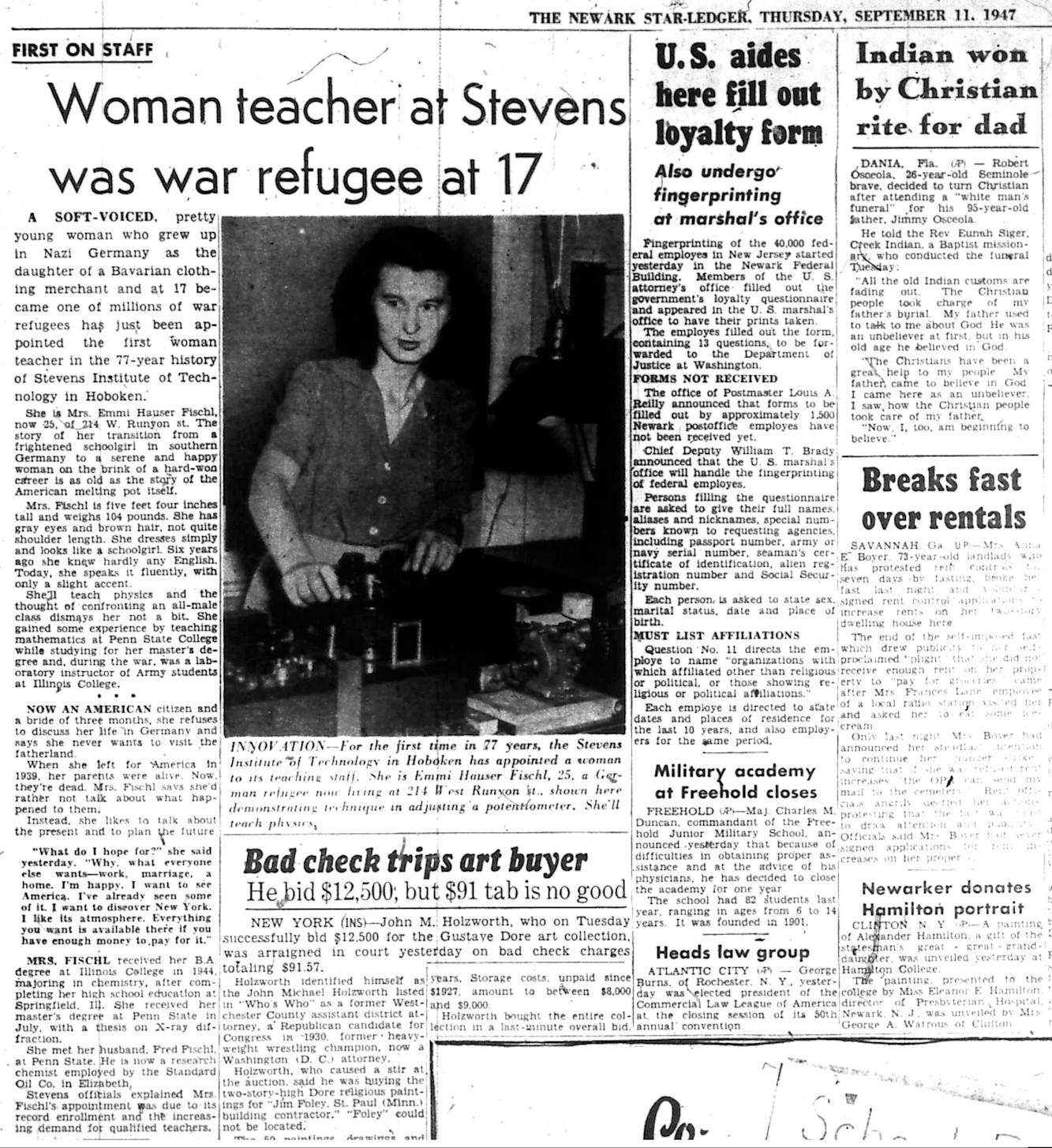
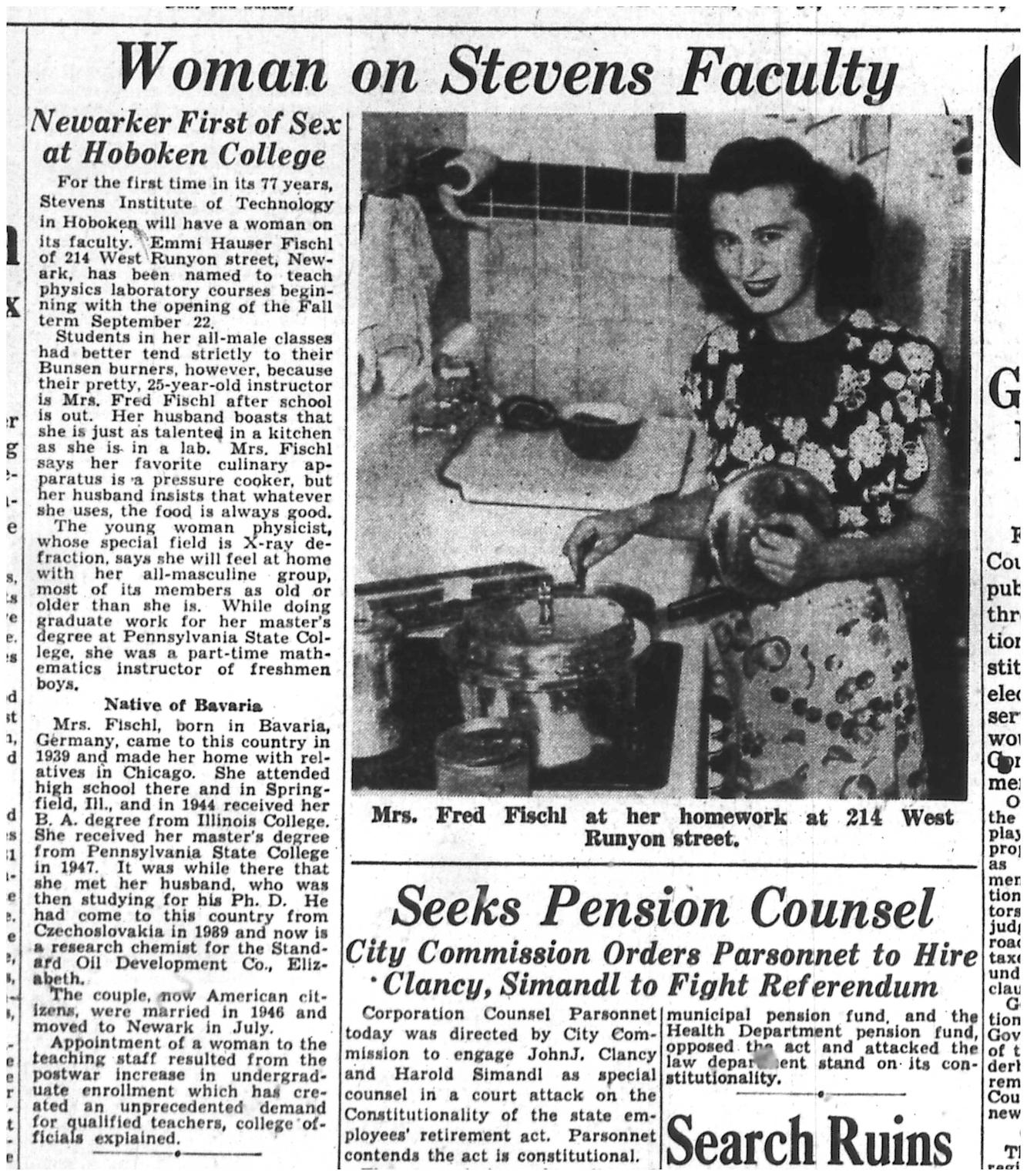
When Fischl was hired by Stevens at the age of 25 — she was the same age or younger than many of her students, a good number of them World War II veterans — she made national news. The Associated Press and The New York Times picked up the story, and full feature stories appeared in The Newark (NJ) Star-Ledger and the Newark Evening News. The Stute , Stevens’ student newspaper, and The Stevens Indicator also covered the story.
“She’ll teach physics, and the thought of confronting an all-male group dismays her not a bit,” The Star-Ledger reported. “She gained some experience by teaching mathematics at Penn State while studying for her master’s degree and, during the war, was a laboratory instructor of Army students at Illinois College.”
Indeed, Fischl is modest about her abilities and pragmatic when recounting the interview at Stevens and subsequent job offer. She recalled her interviewer saying, “You know, we never had a woman before, but if you are okay with it, so are we.”
If she downplays the importance of her place in history, that is only because of her practical nature. At her heart, she is a survivor. Born in Bavaria, she came to the United States in 1939 at age 17 to escape Nazi Germany. She experienced things that very few can imagine. Her parents, Oskar and Hedwig Hauser, were deported from Germany and killed in Piaski, Poland, in 1942.
Fischl was taken in by her cousins in Chicago who didn’t have much, but they made do with the little they had and strove to succeed. While she was able to go to high school for free, any higher education was up to her. She did her due diligence. She studied hard and earned partial scholarships, receiving a bachelor’s degree in chemistry from Illinois College and a master’s degree in physics from Pennsylvania State University, with a thesis on X-ray diffraction. All through school, she worked several jobs to pay for her education.

In 1944, World War II was still raging. Her brother had gone to war, and Emmi was eager to enlist in the Army. She wasn’t a citizen yet, but she didn’t let that deter her. She wrote a letter to the State Department and said that she’d like to become a citizen and enlist in the Army. They told her she had to wait her turn. While she wasn’t able to serve, her dream of citizenship became a reality in 1945.
While she was completing her graduate work, she met her future husband, Fred Fischl, who was completing his doctorate. They were married in 1947. Soon after, they moved to a furnished apartment in Newark, New Jersey. They didn’t have much in those early years of marriage, but Fischl says they made do. She taught at Stevens until 1951, leaving after her first child, daughter Jacky, was born, followed by her two sons, Robert and Peter. Even when the children were young, she worked. She started a business at home with her friend translating technical articles. Later, she took courses to become a substitute teacher so her schedule would match the children’s.
As her children became independent, she had more time. With her active mind and natural curiosity, she studied computer programming. She became a Fortran programmer for the rest of her working life. Physics and computer programming remain male-dominated fields, facts that the brilliant Fischl doesn’t spend too much time thinking about it. When asked, she said her motivation for studying physics in the first place was simply because she liked it.
The mayor of Fischl’s hometown of Kempten, Germany, connected with her many years later, and local high school students interviewed her about her life’s journey. The town named a library after her.
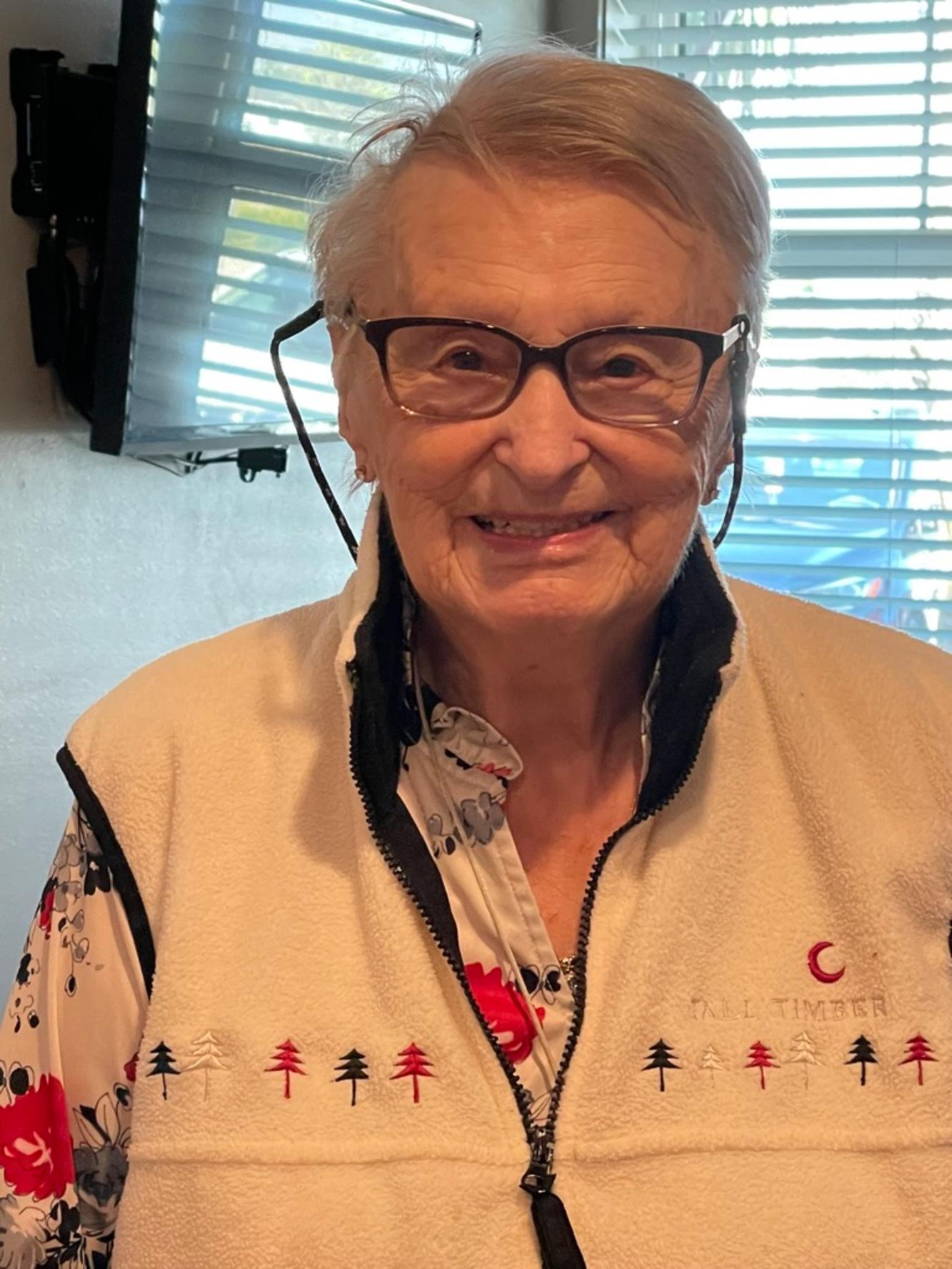
Fischl is 95 years old and is still vibrant and active. In fact, it was only a few years ago that she stopped skiing because of worry over fractures. Her daughter Jacky has fond memories of family ski trips to Vermont and her mother’s plum cake. She shares her mother’s love of math and science and became an engineer. But Fischl’s sharp intellect and love of life aren’t the most enduring qualities she possesses. It is her strength and her ability to persevere, says Jacky.
Fischl lives in Fort Myers, Florida. Like so many other circumstances in her life – with everything she’d been through in her younger years, she also had to cope with the loss of her youngest son and the passing of her husband -- she made it through Hurricane Irma. A few weeks after the storm, she was told over the phone that her daughter described her as having great strength. She laughed and said, “Oh, she did, did she?” Then she recited the first stanza of the poem, “Invictus,” by William Ernest Henley:
“Out of the night that covers me/Black as the pit from pole to pole/ I thank whatever gods may be/ For my unconquerable soul.”
– Alan Skontra
Emmi Hauser Fischl