Rabinovitch Selected for NASA-ESA Venus Science Coordination Group ‘VeSCoor’
The assistant professor of mechanical engineering will offer NASA and ESA his advice on science enabled by leveraging the three upcoming Venus missions

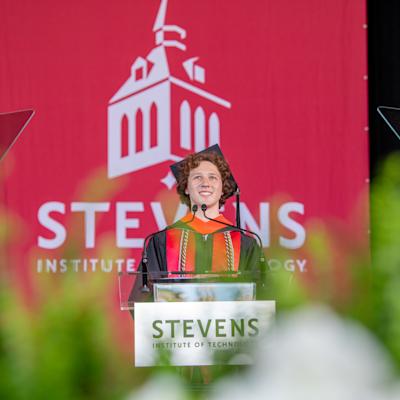
With three missions to Venus planned in upcoming years, NASA and the European Space Agency (ESA) have recently established a joint Venus Science Coordination group, VeSCoor, and they have selected Jason Rabinovitch, assistant professor of mechanical engineering at Stevens Institute of Technology, to serve on this group. He will be joined by five other scientists from across the U.S., along with six scientists from ESA member states across Europe.
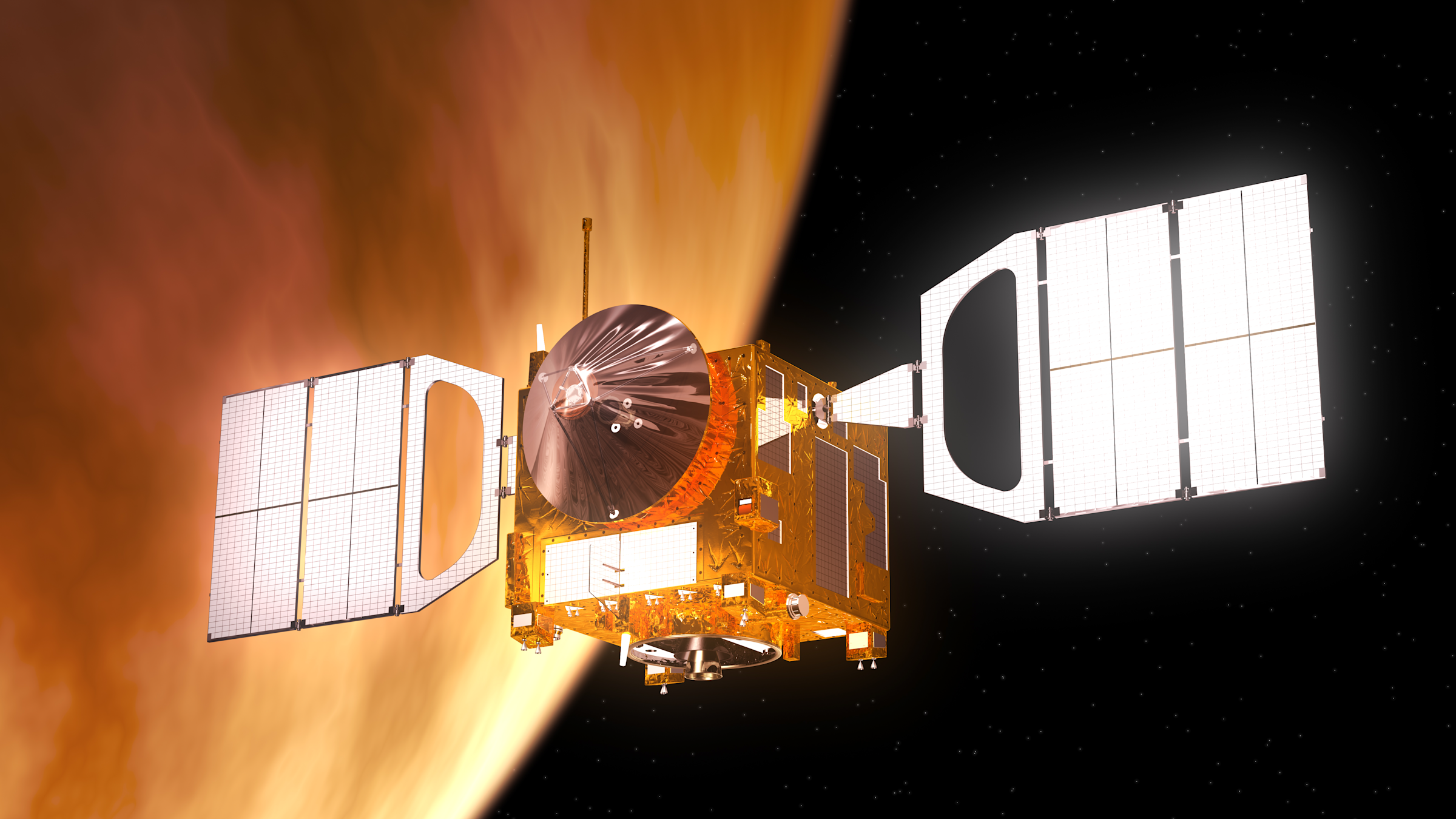
The upcoming missions to Venus will take place over the next 10-15 years: one ESA mission, Envision; and two NASA missions, DAVINCI and VERITAS. VeSCoor will open a dialogue among Venus researchers to identify new scientific approaches and outcomes to these planned missions, based on synergies between them.
“It is a unique and exciting time as we are expecting to have three missions to Venus in the near future,” said Rabinovitch. “Each of these missions on its own is expected to make great contributions to the future of Venus science. As part of VeSCoor, I am excited to try to help contribute to the Venus scientific community in general, and to try to identify scientific synergies between the different missions that could enable an even larger scientific return from these missions.”
According to Rabinovitch, studying Venus is extremely important when we consider it as a model of a planet that may have experienced a runaway greenhouse effect, and how that might apply to climate change on the Earth.
Venus and Earth are different in important ways, too, he explained.
“As we discover more exoplanets (planets orbiting other stars), the more we know about why Earth and Venus have such different atmospheres, then the better we will be at determining if new planets are more ‘Venus-like’ or ‘Earth-like.’ This has important consequences for whether or not we think other planets may be habitable.”
Rabinovitch looks forward to being at the forefront of Venus research. “I am extremely excited to be a part of VeSCoor to help and try to contribute to the upcoming Venus missions,” he said.
Learn more about academic programs and research in the Department of Mechanical Engineering: