2026 Fee Award Recipient - Hailey Marie Tanner ’21
The Harold R. Fee 1920 Alumni Achievement Awards recognize and thank alumni who, through their engagement, have helped build a vibrant and supportive alumni community at Stevens. The 2026 Fee Awards will be bestowed to four deserving Stevens alumni at Alumni Weekend on June 6, 2026.
Hailey Marie Tanner ’21
Harold R. Fee 1920 Alumni Achievement Award
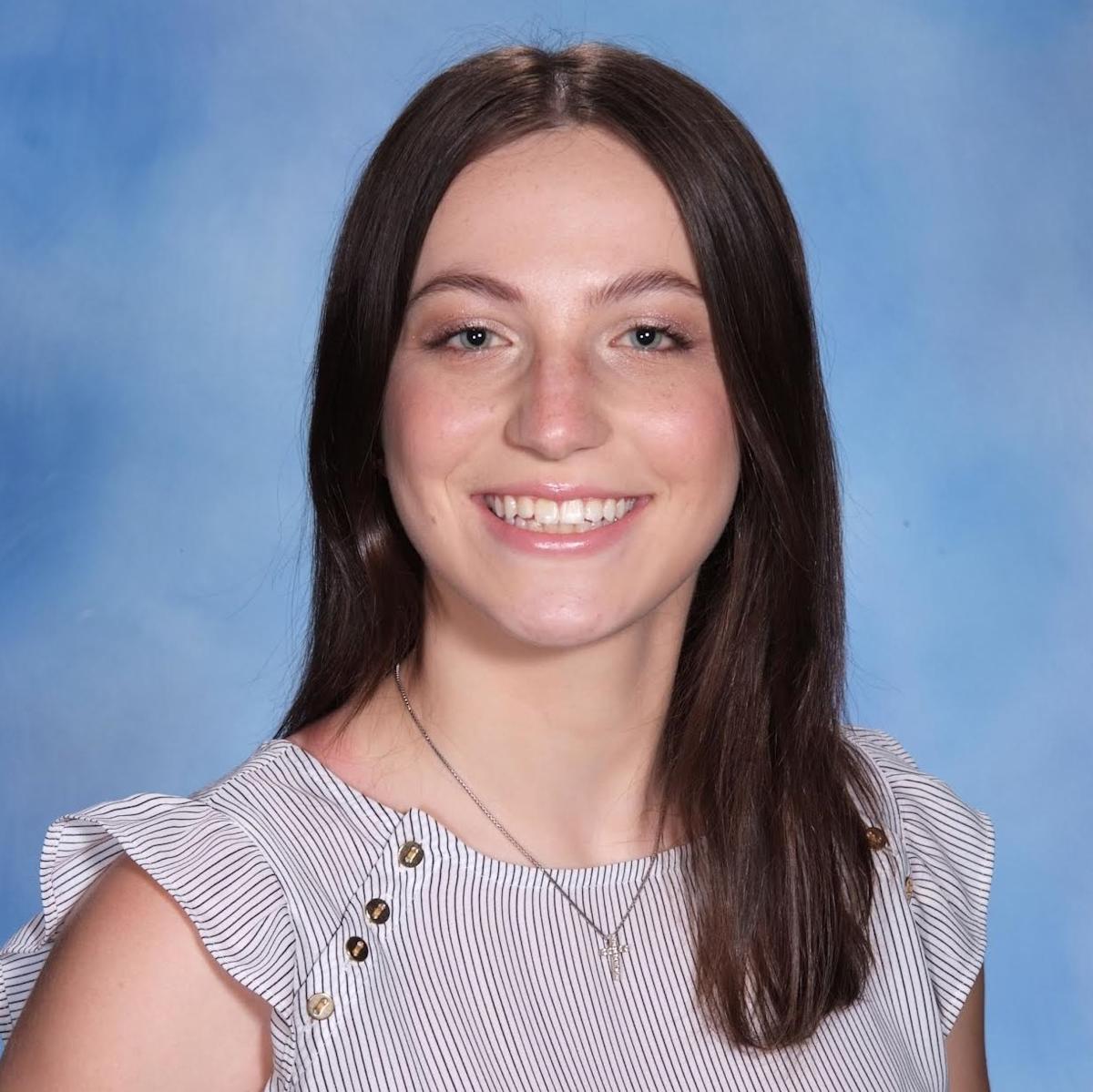
Hailey Marie Tanner ’21 was drawn to the sense of community she felt at Castle Point, and to the research opportunities she could pursue at Stevens. “From my first visit, I had a strong sense that it was a place where I could both challenge myself and belong,” she says. “At Stevens, I could be at the forefront of engineering solutions that could meaningfully impact society. I saw that Stevens would give me the technical foundation and confidence to pursue a path into graduate school and beyond.”
Early in her undergraduate years she participated in research projects involving polymer grafted magnetic nanoparticles and thermal stiffening. She also served as a neurodegenerative disease research assistant at the university’s Weickenmeier Lab of Soft Matter Biomechanics and completed a quality operations internship at Merck, setting the stage for her current role as a Ph.D. candidate in chemical and biological engineering at Princeton.
“I am studying the biophysical mechanisms underlying protein aggregation, particularly in the context of neurodegenerative disease,” Tanner explains. “My work sits at the intersection of physics, chemistry, engineering and biology. What excites me most about this work is the ability to uncover fundamental mechanisms that could ultimately inform how we understand and treat disease.”
Tanner was generous with her time as an undergraduate, tutoring fellow students and serving as a peer leader and peer leader coordinator. She served as president of Club Soccer and as treasurer of RedShift, the university’s student-run, online creative publication. She also participated in the Stevens chapters of the Society of Women Engineers and the American Chemical Society. “Stevens played a major role in shaping both my technical and personal development,” she says. “It pushed me out of my comfort zone and helped me grow into leadership roles while building confidence in how I communicate and advocate for myself. Just as importantly, I gained mentors and a support system that gave me practical guidance on navigating my career, which has continued to influence my decisions well beyond graduation.”
Tanner has continued her volunteer commitment as an alumna, through roles that have included board member and chair of the Recent Alumni and Current Students Committee of the Stevens Alumni Association; vice president, Class of 2021; and young alumni trustee. “Through these roles, I’ve focused on strengthening connections between students and alumni and creating opportunities for continued engagement with the Stevens community,” she says.
“Much of my volunteering centers around lifting young alumni voices and helping them bridge the gap between student life at Stevens and their careers,” Tanner continues. “When graduation was approaching and I decided to go to graduate school, it was hard balancing my passion for both where I came from and where I was going. I had a lot of people in my corner who helped me navigate that. Although I excelled in the chemical engineering program and could have pursued a lucrative industry role, the mentoring I received from Stevens staff and professors inspired me to become a mentor myself — through a career in academia and by providing programming for Stevens students that connects them with people who can help them navigate these formative years.”
One of Tanner’s early full-circle moments came when, as a peer leader coordinator, she gave a welcome speech to the Class of 2023. “Being able to help shape students’ first impressions of Stevens reinforced how much the community had impacted me,” she says. “It was an opportunity to encourage them to make the Stevens experience their own. I thrived most at Stevens when I leaned into what genuinely interested and motivated me. There is an incredible support system of faculty, peers and alumni ready to help you pursue ambitious goals. Take advantage of that, and don’t be afraid to carve your own path.”
Tanner is incredibly honored to be selected for the Harold R. Fee 1920 Alumni Achievement Award. “What makes it especially meaningful is that it recognizes continued engagement with the Stevens community,” she says. “Stevens had such a strong impact on my growth. I’m grateful for the opportunity to give back and contribute to the experiences of current students and fellow alumni.”
“The community at Stevens is what really drew me there in the first place, and I think alumni involvement is what sustains that long after graduation,” Tanner points out. “That sense of belonging and picking up where I left off resonates with me every time I reconnect with Stevens through volunteering or events and I’m reminded how powerful that network is in supporting students, fostering mentorship and reinforcing a shared identity.”
“Little things go a long way,” she adds. “When I first started volunteering, I thought I would have to take on all these big roles and have such big shoes to fill. But now, I realize that the volunteer time that is most impactful often involves activities that may not have a title or metric attached to them. That’s the beauty of being a Duck — you are always connected and can find someone wanting to help you!”