Department of Mechanical Engineering
Academic Programs
Catalyze Your Career
Announcements
Jason Rabinovitch Working to Advance Predictive Modeling of High-Speed Droplet Aerobreakup
Jason Rabinovitch, assistant professor in Stevens’ Department of Mechanical Engineering, is collaborating with Cornell University professor Olivier Desjardins on a project to improve the modeling capabilities for high-speed droplet aerobreakup and surface damage.
Rabinovitch and Desjardins have received a $1,067,782 grant from the Office of Naval Research (ONR) for their project titled “Advancing Understanding of and Predicting Modeling Capabilities for High-Speed Shock-Induced Droplet Aerobreakup and Surface Damage.”
When high-speed vehicles fly through adverse weather conditions such as clouds, they may collide with small water droplets at extremely high speeds. Prior to a water droplet hitting a vehicle, it will travel through a shockwave in front of the vehicle and start to break up. This project aims to improve understanding of the aerodynamic breakup process of the droplets, along with predicting how much they may damage a vehicle during these high-speed impacts. The computational modeling results from this work will also be used to update reduced-order droplet drag, breakup and surface damage models.
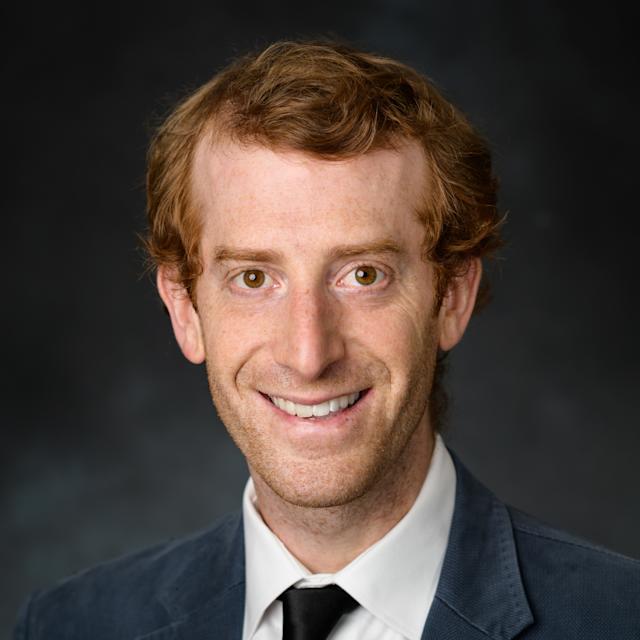
Nick Parziale Receives 2026 AIAA Aerodynamic Measurement Technology Innovation Award
Earlier this year, Nicholaus Parziale, George Meade Bond Professor of Mechanical Engineering at Stevens, received the 2026 AIAA Aerodynamic Measurement Technology Innovation Award, which recognizes continued contributions and achievements in advancing aerodynamic flowfield and surface measurement techniques for research in flight and ground-test applications.
Presented biennially by the American Institute of Aeronautics and Astronautics (AIAA), the award recognizes advances that expand how researchers can measure and understand aerodynamic flows.
In his award presentation, Parziale described the scope of the recognized work as “Non-intrusive Optical Diagnostics for High-speed Boundary Layer Physics and Multiphase Flow.” His contributions center on developing and applying non-intrusive optical diagnostics to study supersonic and hypersonic flow physics. His group uses laser-based measurement techniques and high-speed imaging to examine phenomena including turbulence, boundary layers, droplet breakup and impact.
The key innovation is expanding the ability to make precise measurements in extreme, high-speed flows where conventional instruments can face limitations. By using optical methods that do not interfere with the flow, the group can capture detailed measurements of flow behavior that can otherwise be difficult to observe experimentally.
These measurements provide new experimental insight into turbulence and droplet breakup under extreme conditions, helping researchers test fundamental ideas about high-speed flow physics and assess simulations used to predict phenomena such as aerodynamic heating, drag and interactions between high-speed vehicles and liquid droplets.
The award reflects contributions from Parziale’s current and former Ph.D. students and collaborators over the past five to 10 years. Muhammad Mustafa, David Shekhtman, Ben Segall and Timothy Keenoy contributed to the krypton tagging work; Jaden Kokinakos and Ahsan Hameed contributed to focused laser differential interferometry research; and Alex Dworzanczyk, Jett Langhorn and Anthony Marino contributed to research on high-speed droplet breakup and impact.
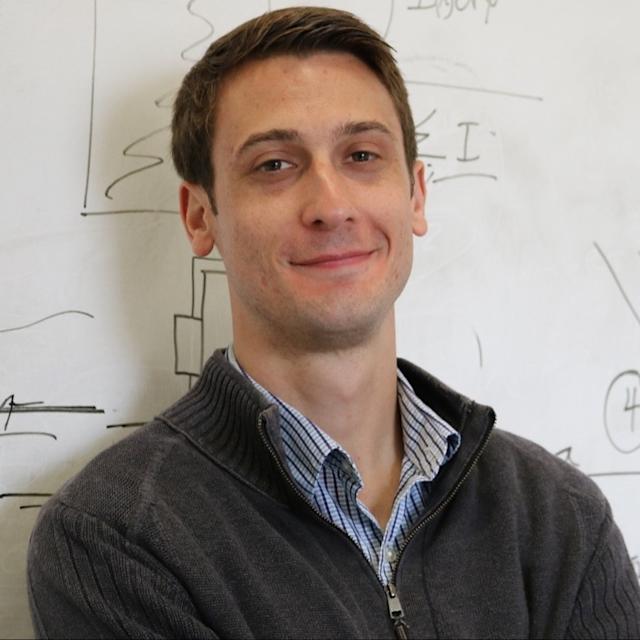
E.H. Yang Named IEEE Sensors Reviews Editor-in-Chief
The Department of Mechanical Engineering is proud to congratulate Professor Eui-Hyeok Yang on his appointment as Editor-in-Chief of IEEE Sensors Reviews for the 2026–2028 term.
Yang was selected by the IEEE Sensors Council in recognition of his distinguished service, deep expertise, and sustained contributions to the sensors research community. His appointment reflects the high regard his peers hold for the energy and dedication he has consistently brought to the field.
In this role, he will oversee the editorial direction of one of IEEE's premier review publications, helping to shape the future of research and innovation in sensing technologies worldwide.
This honor speaks to the caliber of scholarship and leadership that defines our department. We are incredibly proud of Dr. Yang and look forward to the lasting impact he will continue to make in this prominent and influential role.
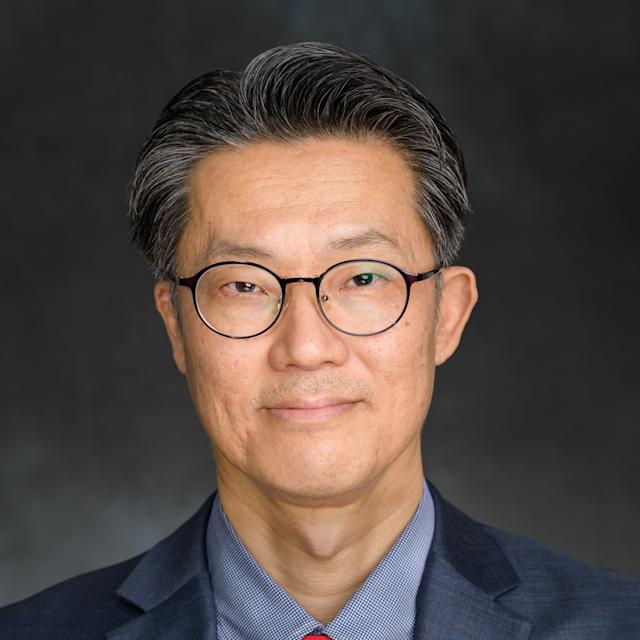
Shima Hajimirza Elected to ASTFE Board of Directors for Three-Year Term
Shima Hajimirza, an associate professor in the Department of Mechanical Engineering, has been elected to the American Society of Thermal and Fluids Engineers’ Board of Directors for a three-year term set to begin on July 1, 2025.
The American Society of Thermal and Fluids Engineers (ASTFE) was established in July 2014 to promote the science and applications of thermal and fluids engineering and related disciplines. ASTFE aims to provide opportunities for disseminating information and knowledge regarding thermal and fluids engineering, both nationally and internationally.
As a member of the Board of Directors, Hajimirza envisions fostering a research environment that upholds the highest ethical standards while advancing education in thermal and fluids engineering.
"I aim to develop structured ethical guidelines and educational initiatives that equip students, researchers and professionals with the tools to conduct responsible, high-impact research," she said. "I plan to enhance mentorship programs and interdisciplinary collaborations, ensuring that emerging researchers have access to resources that support ethical decision-making and innovative problem-solving."
Hajimirza’s leadership at ASTFE aligns with her commitment to ethical research practices, mentorship and fostering interdisciplinary collaboration, reinforcing the society’s mission to advance the field of thermal and fluids engineering.
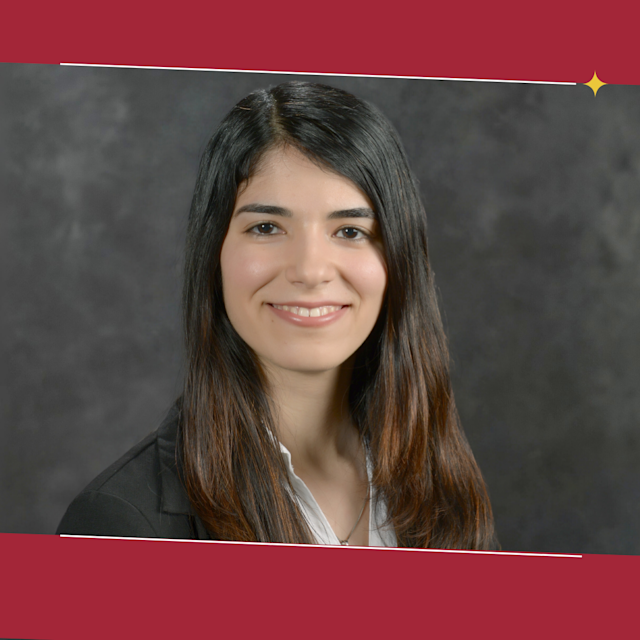
Jason Rabinovitch Working to Advance Predictive Modeling of High-Speed Droplet Aerobreakup
Jason Rabinovitch, assistant professor in Stevens’ Department of Mechanical Engineering, is collaborating with Cornell University professor Olivier Desjardins on a project to improve the modeling capabilities for high-speed droplet aerobreakup and surface damage.
Rabinovitch and Desjardins have received a $1,067,782 grant from the Office of Naval Research (ONR) for their project titled “Advancing Understanding of and Predicting Modeling Capabilities for High-Speed Shock-Induced Droplet Aerobreakup and Surface Damage.”
When high-speed vehicles fly through adverse weather conditions such as clouds, they may collide with small water droplets at extremely high speeds. Prior to a water droplet hitting a vehicle, it will travel through a shockwave in front of the vehicle and start to break up. This project aims to improve understanding of the aerodynamic breakup process of the droplets, along with predicting how much they may damage a vehicle during these high-speed impacts. The computational modeling results from this work will also be used to update reduced-order droplet drag, breakup and surface damage models.
Nick Parziale Receives 2026 AIAA Aerodynamic Measurement Technology Innovation Award
Earlier this year, Nicholaus Parziale, George Meade Bond Professor of Mechanical Engineering at Stevens, received the 2026 AIAA Aerodynamic Measurement Technology Innovation Award, which recognizes continued contributions and achievements in advancing aerodynamic flowfield and surface measurement techniques for research in flight and ground-test applications.
Presented biennially by the American Institute of Aeronautics and Astronautics (AIAA), the award recognizes advances that expand how researchers can measure and understand aerodynamic flows.
In his award presentation, Parziale described the scope of the recognized work as “Non-intrusive Optical Diagnostics for High-speed Boundary Layer Physics and Multiphase Flow.” His contributions center on developing and applying non-intrusive optical diagnostics to study supersonic and hypersonic flow physics. His group uses laser-based measurement techniques and high-speed imaging to examine phenomena including turbulence, boundary layers, droplet breakup and impact.
The key innovation is expanding the ability to make precise measurements in extreme, high-speed flows where conventional instruments can face limitations. By using optical methods that do not interfere with the flow, the group can capture detailed measurements of flow behavior that can otherwise be difficult to observe experimentally.
These measurements provide new experimental insight into turbulence and droplet breakup under extreme conditions, helping researchers test fundamental ideas about high-speed flow physics and assess simulations used to predict phenomena such as aerodynamic heating, drag and interactions between high-speed vehicles and liquid droplets.
The award reflects contributions from Parziale’s current and former Ph.D. students and collaborators over the past five to 10 years. Muhammad Mustafa, David Shekhtman, Ben Segall and Timothy Keenoy contributed to the krypton tagging work; Jaden Kokinakos and Ahsan Hameed contributed to focused laser differential interferometry research; and Alex Dworzanczyk, Jett Langhorn and Anthony Marino contributed to research on high-speed droplet breakup and impact.
Department Facts
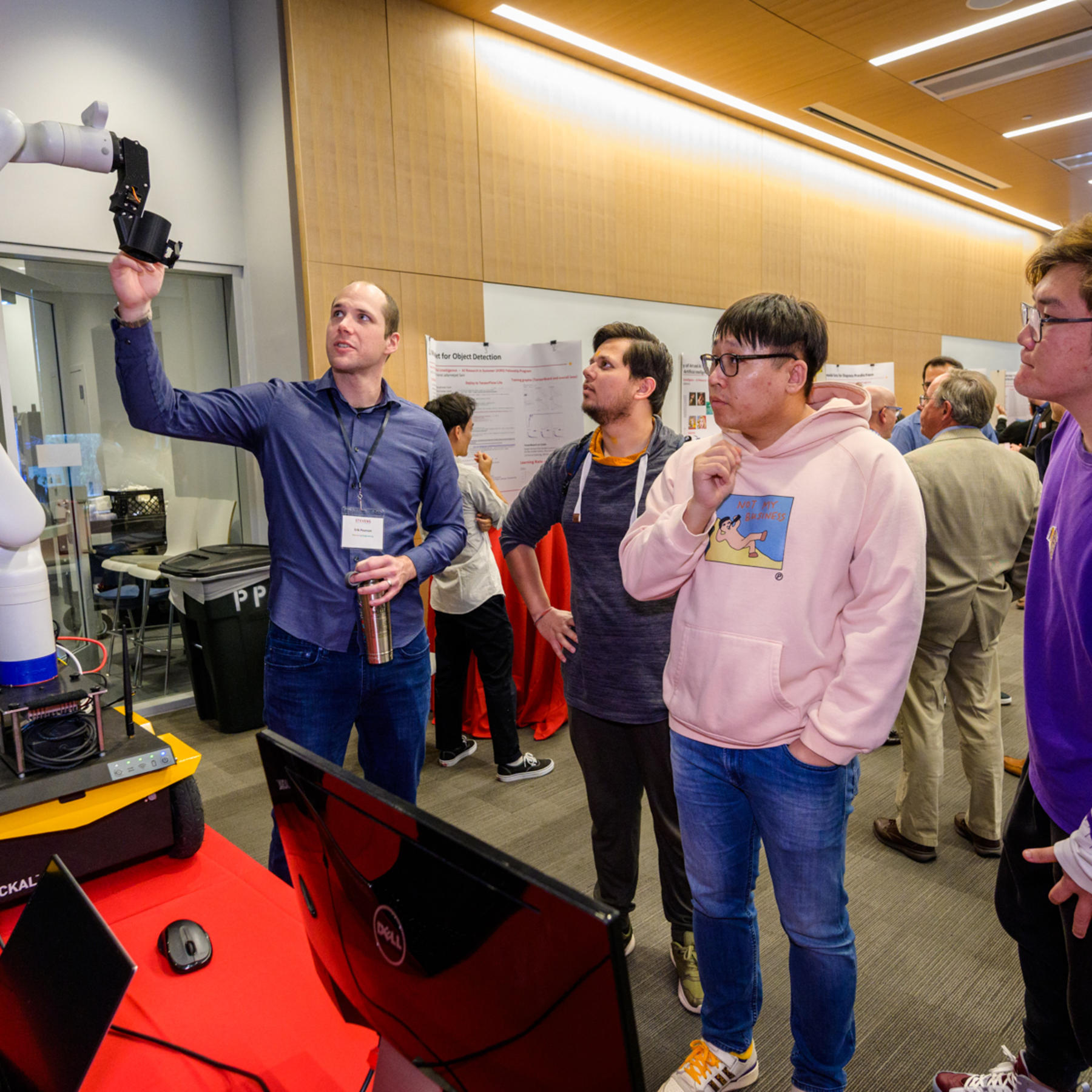
Learn About Our Research
Mechanical engineering department research efforts focus on interdisciplinary research in areas such as nanotechnology, sustainable engineering, robotics, and biomechanics.
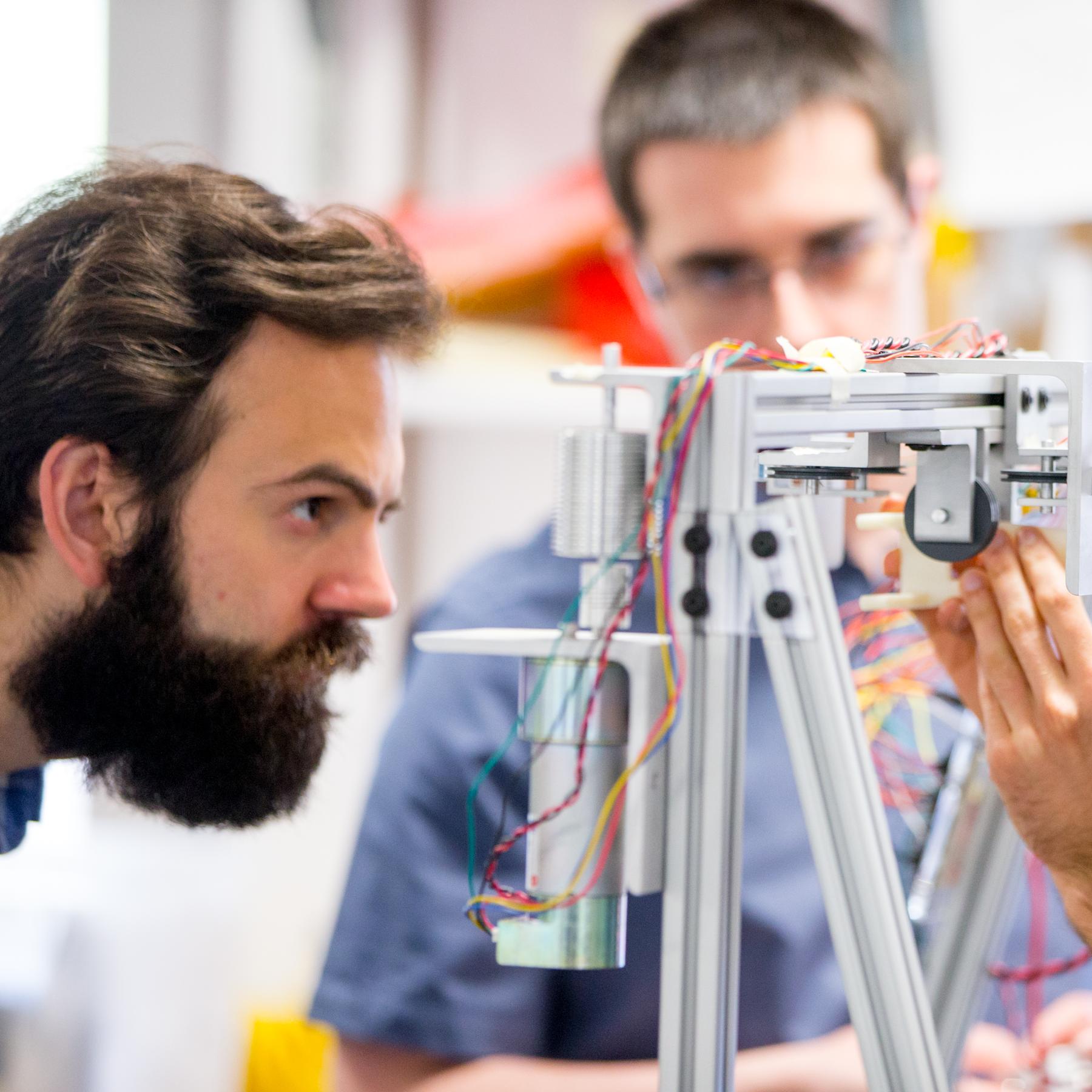
Powered by Partnership. Driven by Engineering.
Our LINK-ME (Leveraging Industry Networks and Knowledge for Mechanical Engineering) ecosystem connects education with industry, bridging the gap between classroom and career. By fusing academic insight with real-world experience, we are empowering the next generation of engineers while delivering value to forward-thinking companies ready to invest in talent and innovation.
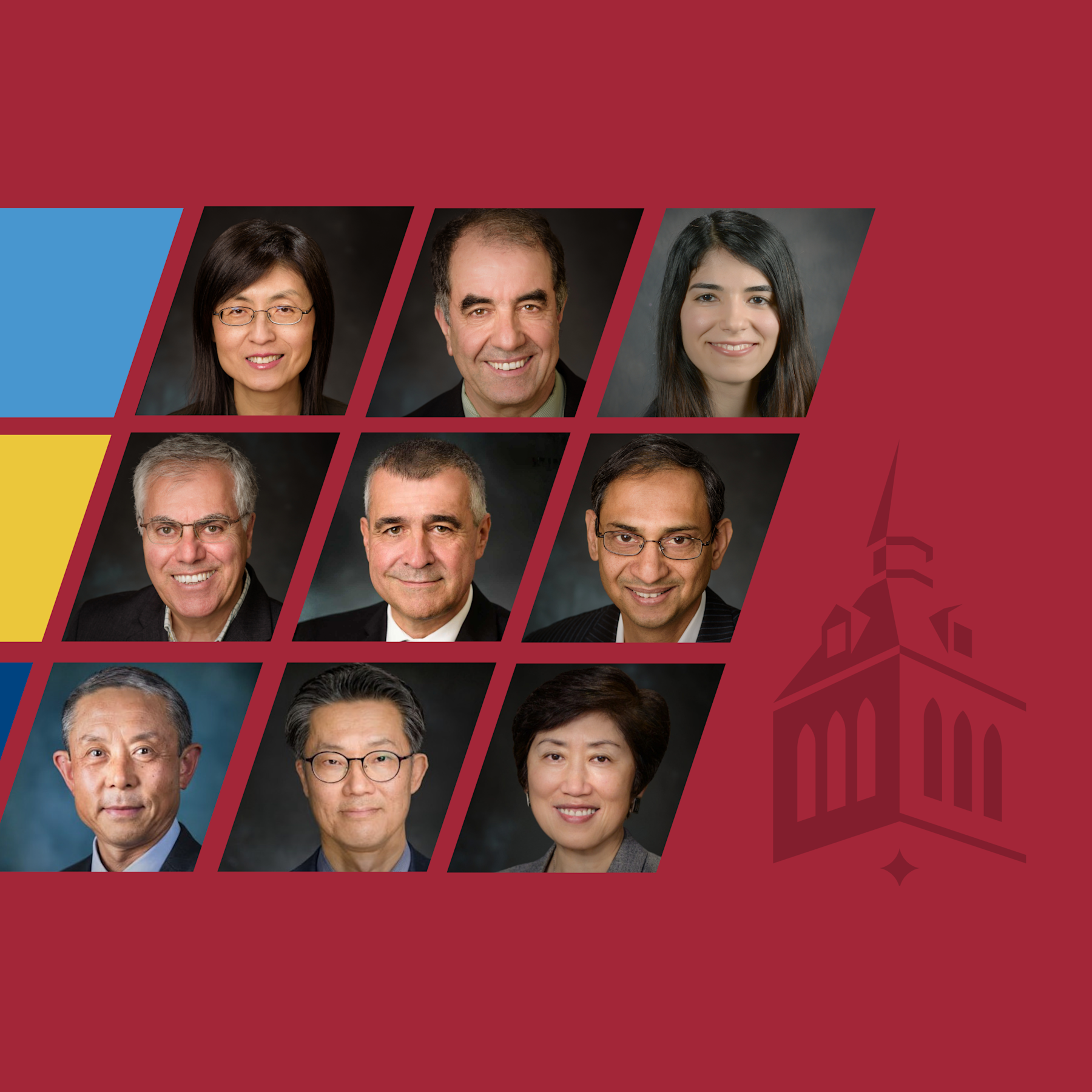
The Engineers Behind the Engineers: Our ASME Fellows
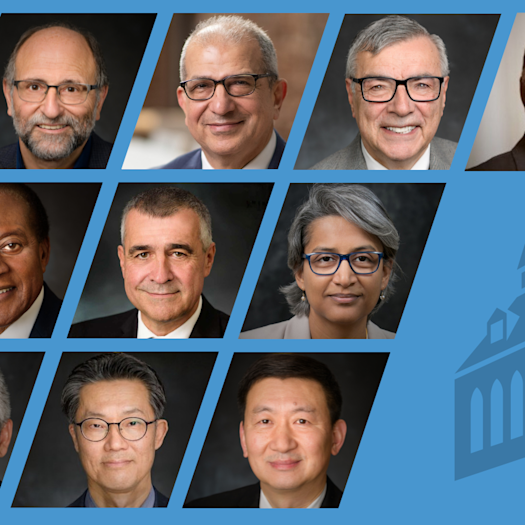
Among more than 100,000 members of the American Society of Mechanical Engineers, fewer than 3,500 have earned the distinction of ASME Fellow. Nine are Stevens faculty.
Work With Us
The Department of Mechanical Engineering is frequently hiring faculty and staff. Check back to see our available positions and apply.
Get Social With Us
What’s happening in the Department of Mechanical Engineering at Stevens? Follow us on Instagram and LinkedIn for student life, faculty highlights and research in action.
Department News

Upcoming Seminars & Events
Department Leadership
Meet the faculty and staff leading the Department of Mechanical Engineering. Find contact information for department administrators, academic advisors and more.